Avoiding Obsolete Components in Long-Term Production
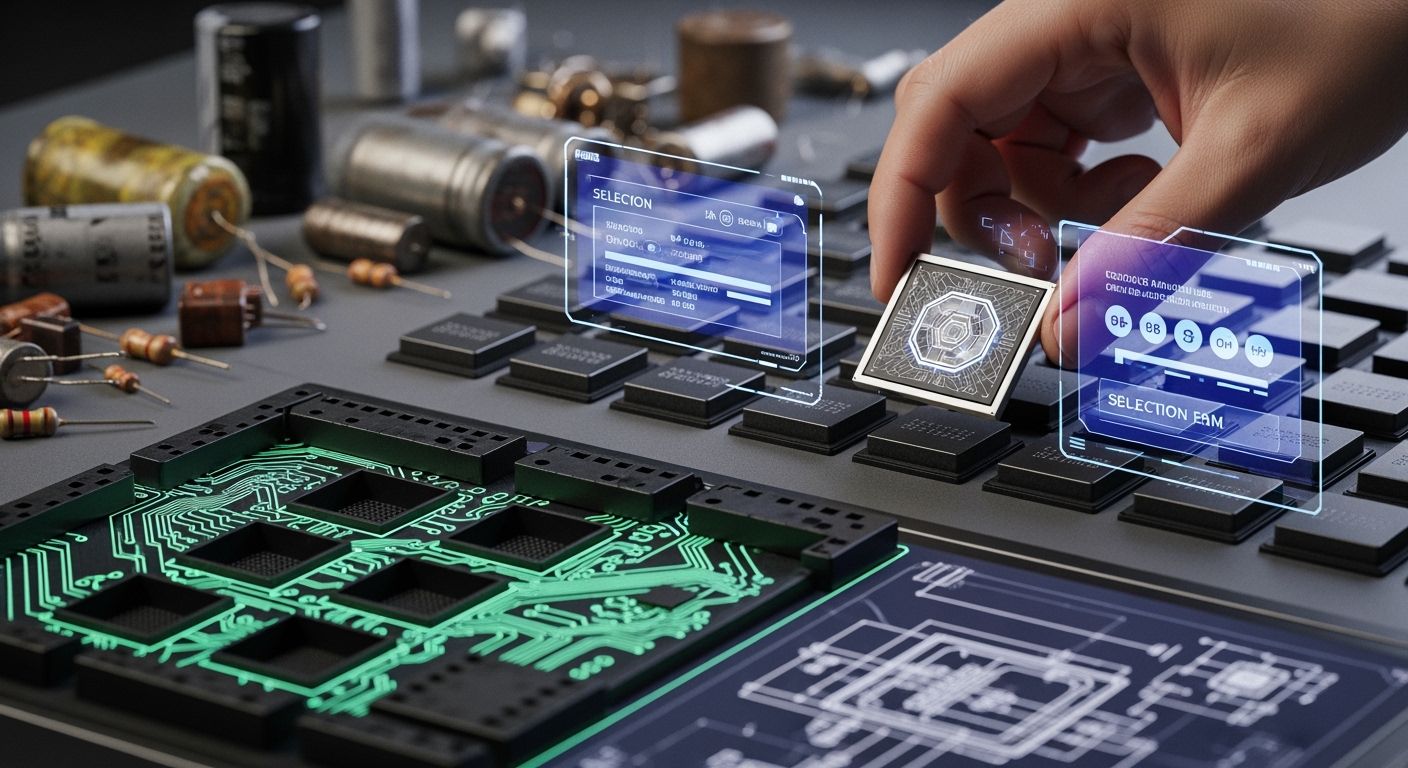
You have to watch how long parts last and buy them smartly to keep making things. Think about your factory stopping because you cannot get one part, especially if it involves obsolete components. Many businesses have this problem. Not paying attention to old parts can cause big trouble:
Production stops and you lose money.
Changing your product can cost up to £500,000 each time.
Rare parts can cost ten times more than you thought.
You can stop these problems by planning early and staying careful.
Key Takeaways
Watch the lifecycle of your parts to stop delays and expensive changes.
Use proactive obsolescence management to find risks early and make smart choices.
Standardize components when you can to save money and make replacements easier.
Keep good relationships with many suppliers to always have enough parts.
Check your inventory and storage often to manage spare parts well and stop obsolescence.
Understanding Obsolete Components
What Is Component Obsolescence
Component obsolescence happens in electronics and manufacturing. This means a part you need is not made anymore by the company. Sometimes, new technology or new rules make old parts go away. If you work in aerospace or medical devices, you know it is important to keep old products working. When a part is obsolete, you have big problems. It can be hard to find a new part. You might have to change your product. Obsolescence management helps you keep your products working without spending too much money.
Component obsolescence means:
Parts are not made anymore.
It happens a lot in industries with long product lives.
It can make things cost more and force tough choices.
Causes of Obsolescence
Many reasons can make parts become obsolete. New technology comes out all the time. When new chips and materials show up, old ones stop being made. Companies may stop making parts that do not sell well. Problems in the supply chain can also cause this. Sometimes, new laws about the environment make companies stop using some materials.
Cause of Obsolescence | Example |
|---|---|
Technological advancements | New chips take the place of old ones fast. |
Mergers and acquisitions | Companies join and stop making some products. |
Consumer demand for new items | People want new gadgets, so old parts are not needed. |
Changes in regulations | New rules can make old parts illegal or hard to use. |
Experts say fast changes in technology are a big reason for component obsolescence. When companies focus on their top products, they stop making old parts.
Impact on Production
Obsolete parts can make many problems for your production line. You might have to wait if you cannot find the parts you need. Sometimes, you pay a lot more for a replacement at the last minute. You may even need to change your product, which costs a lot. In some cases, you might not be able to deliver your product at all.
Tip: If you plan for obsolescence early, you can avoid big problems and keep your production going.
Impact Type | Description |
|---|---|
Production Delays | You cannot finish products on time. |
Last-Minute Sourcing | You pay more for parts you need right away. |
Increased Costs | Old parts cost more to manage. |
Forced Redesigns | You must change your product if parts are gone. |
Product Continuity Risks | You may not be able to sell your product as planned. |
Planning ahead helps you avoid these problems and keeps your business safe.
Proactive Obsolescence Management
You can avoid many production headaches by using proactive obsolescence management. This means you start thinking about part lifecycles before you even build your product. You look for risks early and make smart choices that keep your production line running for years.
Early Design and Lifecycle Planning
You should always start with early lifecycle planning. This step helps you spot risks before they become problems. When you design a new product, you need to think about how long each part will last and if it might become obsolete soon. You can use tools and methods to help with this process.
Identify which parts might become obsolete.
Check your production and order history to see how fast parts move.
Talk with your customers to find out which parts move slowly.
Make sure you follow all rules and check how they affect your parts.
Plan for what to do if a part goes away. Think about replacement, redesign, and disposal. Look at time, cost, and technical needs.
You can also use EOL (End-of-Life) monitoring tools. These tools track the status of your parts and send you alerts if something changes. You should design for longevity by picking parts with long lifecycles and more than one supplier. Review your bill of materials (BOM) often to spot high-risk parts early. Plan last-time buys carefully so you do not waste money or run out of stock.
Note: When you include obsolescence management in your design phase, you lower your risk. You build a BOM with newer, stronger parts. This makes your product last longer and saves money.
Industry standards like the Multi-Obsolescence Diagnostic Tool (MODT) help you check if your product might face obsolescence. The DfX (Design for X) approach also helps you think about part lifecycles early. These tools guide you to make better choices during planning.
Supply Chain Visibility
You need to see what is happening in your supply chain at all times. Good supply chain visibility lets you spot risks before they stop your production. You can make better decisions when you know about changes in parts or suppliers.
Watch for early warnings by looking at both inside and outside signals.
Give teams clear jobs so everyone knows who handles each risk.
Focus on the most important risks first to keep your line moving.
You should keep checking the lifecycle of your parts and suppliers. Ongoing monitoring helps you act before a problem grows. When you use accurate lifecycle data, you can plan for changes and avoid surprises.
Tip: A proactive approach lets you fix problems before they hurt your business. You stay ahead by knowing what is coming.
Avoiding Custom Parts
You might think custom parts are the best choice for your product. They can fit your needs exactly. But custom parts often bring more risk. They cost more, are harder to replace, and can become obsolete faster. You should use component standardization whenever possible.
Advantages of Custom Parts | Disadvantages of Custom Parts |
|---|---|
Fit your design perfectly | Higher costs |
Save space and weight | Harder to get replacements |
Add special features | More supply chain problems |
Make your product stand out | Tougher to fix or upgrade |
Higher risk of obsolescence |
Advantages of Standard Components | Disadvantages of Standard Components |
|---|---|
Cost less | May not work as well in special cases |
Easy to find and buy | Might not meet all needs |
You should use standard parts when you can. Component standardization makes it easier to find replacements and lowers your risk. If you must use custom parts, plan for how you will handle them if they become obsolete.
Callout: Standard parts help you keep your production stable. They make planning and repairs much easier.
By focusing on early design, supply chain visibility, and component standardization, you build a strong plan. You can keep your production running smoothly and avoid the high costs of obsolete parts.
Monitoring & Risk Assessment
You need good monitoring to keep your production safe. If you watch your parts, you can find problems early. This helps you stop delays before they happen. You use different tools to check how long each part will last.
Tracking Component Status
Project monitoring helps you keep your work on track. Gantt charts show when tasks start and end. They help you see which jobs depend on others. Critical path analysis shows which steps are most important for your schedule. Project management tools let you see all your tasks in one place. Forecasting methods help you guess what might happen next.
Tool/Method | Description |
|---|---|
Project Monitoring | Keeps activities aligned with your original plan. |
Gantt Charts | Shows timelines and task overlap, helping you spot dependencies and risks. |
Critical Path Analysis | Identifies activities that impact project duration, helping you adjust schedules. |
Integrated Project Management Tools | Tracks tasks, resources, and timelines for better control. |
Forecasting Techniques | Uses trend analysis to anticipate future outcomes and guide decisions. |
Tip: These tools help you watch your parts and lower the risk of obsolescence.
Market Trend Analysis
Market trend analysis helps you know if a part will go away soon. Proactive management uses many ways to stop or lower obsolescence problems. Forecasting helps you check risk, like with BOM management and material risk index. Strategic management uses data and technology forecasting to make parts last longer.
You see trends early and get ready for changes.
You use facts to make better choices.
You keep your production steady and avoid surprises.
Regular Audits
You should do regular audits to find risky parts. You plan audits by checking how risky each supplier is. You pick which audits are most important and tell suppliers about them. You visit places, look at papers, and talk to workers. You write down what you find and share it with suppliers. You check if problems are fixed and look at proof. You look for patterns and change your process to get better. You keep all records safe and protect private information.
Best Practice | Action Items |
|---|---|
Plan and Schedule Audits | Assess risk, prioritize, inform suppliers, agree on dates, communicate scope. |
Conduct Audits and Report Findings | Inspect, review, interview, document, collect samples, report findings, share with suppliers. |
Follow-Up and Corrective Actions | Outline steps, set deadlines, schedule follow-ups, review evidence. |
Review and Continuous Improvement | Identify patterns, adjust process, incorporate new changes. |
Documentation and Record Keeping | Store reports, keep logs, protect information, follow privacy rules. |
Callout: Checking your parts often helps you stop delays and keeps your business working well.
Spare Parts Obsolescence Management
You need a good plan to manage spare parts. This helps your production run well for a long time. If you keep your inventory and storage organized, you avoid delays. Your machines keep working and you lower the risk of obsolete components stopping your line.
Inventory Strategies for Critical Parts
You should not wait until a part breaks. Spare parts obsolescence management starts with smart inventory steps. Here are some best ways to do this:
Use proactive maintenance. You check and change parts before they break. This keeps machines running and helps you avoid obsolete components.
Make standard operating procedures. You teach your team to fix things the same way each time. Repairs become faster and safer.
Use proper inventory control. You only keep the most important parts. This saves money and space and makes sure you have what you need.
Know your lead times. You learn how long it takes to get each part. You order early so you do not wait for deliveries.
Calculate risk. You look at which machines matter most. You keep more spares for these machines to stop downtime.
Use security measures. Only trusted workers can get to your spare parts. This keeps your inventory safe and neat.
Tip: These steps make spare parts obsolescence management easier. You also lower the chance of obsolete components slowing your work.
Long-Term Storage Solutions
You need good long term storage to keep spare parts safe. Good storage protects your investment and helps you avoid problems with obsolete components. There are many storage choices. Each has its own good and bad points.
Storage Solution | Pros | Cons |
|---|---|---|
Traditional Hard Drives | Cheap for storing lots of data. | Can fail because of moving parts. |
Comes in many sizes. | Slower than SSDs. | |
Solid State Drives (SSDs) | Sends data faster. | Costs more per GB than hard drives. |
No moving parts, so lasts longer. | Less space for cheaper options. | |
Network Attached Storage | Central storage for many users. | Setup can be hard. |
RAID gives extra safety for data. | Network speed can slow things down. | |
Cloud Storage | You pay for what you use. | Fees can add up over time. |
You can get files anywhere with internet. | Needs a good internet connection. | |
Optical Storage | Handles breakdowns well. | Holds less data than other types. |
Cheap for saving data. | Not good for lots of changes. | |
Tape Storage | Stores lots of data. | Slower than disk storage. |
Cheap for keeping data long term. | Setup costs can be high. | |
Hybrid Storage Solutions | Balances cost and speed. | Needs careful planning and management. |
Grows as storage needs change. | N/A |
Pick a storage method that fits your needs. Tape storage is good for keeping lots of data safe for years. Cloud storage lets you get files anywhere, but you need internet. Solid state drives are fast and last longer because they have no moving parts.
Note: Good storage helps you keep important spare parts data safe. It also helps your spare parts obsolescence management plan. You can find and use parts when you need them.
Anticipating Discontinued Parts
You can avoid big trouble by spotting discontinued parts early. Spare parts obsolescence management means you plan ahead. Do not wait until a part is gone to act. Here are ways to get ready:
Strategy | Description |
|---|---|
Proactive Monitoring | You watch and guess when parts might become obsolete. This gives you time to find answers. |
Alternative Sourcing | You check for risks when buying parts. This helps you spot problems early. |
Design Planning | You pick parts that last longer when you design. This lowers your risk. |
You can also:
Ask OEMs how long parts will last and when upgrades come.
Pick standard parts instead of special ones. Standard parts stay around longer and are easier to replace.
Add the cost of keeping spares to your total plan. This shows the real price of using certain parts.
Callout: These steps make your spare parts obsolescence management stronger. You avoid getting stuck with obsolete components and keep your production moving.
Check your inventory often and talk to suppliers. Keep records of all your parts and how long they last. This helps you act fast if a part will be discontinued. Good storage and regular checks make it easier to switch to new parts.
Spare parts obsolescence management is not just about fixing problems. You need to plan, store, and watch your parts. Think about storage every step of the way. This keeps your business safe from obsolete components and helps you deliver products on time.
Sourcing Strategies for Obsolete Components
Diversifying Suppliers
You can lower your risk by using more than one supplier. If you only use one, you could have big problems if something goes wrong. For example, a factory might close or a port could shut down. These things can stop your parts from arriving. If you order from different vendors in different places, you protect your production line.
If you get all your parts from one place, you could have trouble if something bad happens. A factory closing or a port problem can slow you down. If you only use one supplier, you might wait longer and pay more. By using many suppliers in different places, you spread out the risk. If one supplier has a problem, others can help you.
You should also make good relationships with your distributors. They can warn you early if there are problems. They help you know if hard-to-find parts are running out. This way, you have more choices and can act fast if things change.
Last Time Buy Approaches
When you find out a part will soon be gone, you need a plan. The last time buy plan lets you buy enough before it is too late. You should guess how many you need and order enough to last. This keeps your production going until you find a new part.
Watch for news that a part will end soon.
Use guessing tools to know how many you need.
Talk to suppliers to learn about timing and what is left.
Make a list of parts that are most at risk.
If you stay flexible, you can change your plan if needed. You can also keep extra parts for those that are hard to get. This helps you avoid running out and keeps your work moving.
Qualifying Alternatives
Sometimes you cannot get the original part. You need to find another part that works the same way. Start by looking for parts that do the same job and are the same size and material. Make sure the new part follows all safety and rule checks.
Find other parts that match what you need.
Check for new risks using a standard like ISO 14971.
Test the new part to make sure it works well.
You should ask engineers to help early in this step. They make sure the new part will not cause problems. Careful testing and planning help keep your products safe and ready.
Tip: Always watch your most important parts closely. This helps you avoid surprises and keeps your production safe.
Supplier Relationships & Collaboration
Having good relationships with suppliers helps you avoid problems. You get early warnings about changes when you work together. It is easier to find answers when parts are hard to get. Teamwork with suppliers keeps your production line working well.
Communication and Planning
You should talk clearly and often with your suppliers. This helps you know if something changes with your parts. If you plan well with suppliers, you can act fast if a part will soon be obsolete.
Make clear goals for working together.
Decide who does each job in both teams.
Meet or call often to check on things.
Write down all talks and choices you make.
Tell about problems quickly and have a way to fix them.
Use simple numbers to track how things are going.
Fix problems early so work does not stop.
Tip: Talking often and planning together helps you see risks early and avoid surprises.
Long-Term Agreements
Long-term deals with suppliers give you more safety. These deals help you get early warnings if parts will soon be gone. You can buy extra or look for new parts before you have trouble.
Build strong partnerships with important suppliers.
Ask for early notice if a part will end.
Work together to find new parts or answers.
Make deals that promise support and updates for your parts.
Stay up to date on changes in what your supplier sells.
This way, you avoid delays and extra costs. Your production stays steady and your business is safer.
Supplier Performance Reviews
You should check how well your suppliers do their jobs. Use clear numbers to see if they meet your needs, especially for obsolescence.
Performance Category | Example Metrics | Measurement Frequency |
|---|---|---|
Quality | Defect rate, rejection rate, customer complaints | Monthly |
Delivery | On-time delivery, lead time accuracy, order fill rate | Weekly |
Cost | Price variance, total cost of ownership, invoice accuracy | Quarterly |
Responsiveness | Issue resolution time, communication quality, flexibility | Monthly |
You can use these checks to talk with suppliers about problems and make plans to get better. This keeps your supply chain strong and ready for changes.
Technology Upgrades & Digital Tools
Modern factories use technology upgrades and digital tools to help with component obsolescence. These tools keep your production safe. They let you track every part’s lifecycle and find risks early.
Lifecycle Management Software
Lifecycle management software helps you watch your parts. This software shows you how long each part will last. It helps you plan for changes and avoid surprises. Some tools use smart programs to check if parts might become obsolete. You get warnings before problems happen. Automated monitoring tells you when a part is at risk. You get alerts before something goes wrong. When you connect with suppliers, you get updates right away. You can see which parts are safe and which are not. Checking your parts all the time helps you stay ready. Forecasting shows you how long parts will last. You can use this to make better choices.
Predictive obsolescence management tools help you spot risks.
Automated monitoring checks if parts are still good.
Connecting with suppliers gives you new information.
Watching your parts all the time keeps you updated.
Forecasting helps you plan for each part’s future.
Tip: Use lifecycle management software to keep your factory running well. You can stop delays by watching every part’s lifecycle.
Change Control Processes
Change control processes help you deal with lifecycle events. You need a team to check your parts and look for risks. BOM risk checks show you which parts might not last long. You can make lists of backup parts and set up steps to test them. Triggers tell you when to redesign, buy more, or swap parts. Watching PCNs and EOL notices helps you know about changes. In 2023, many parts ended without warning. You can protect your factory by using change control steps. These steps help you handle your parts’ lifecycle and stop sudden problems.
Teams check the lifecycle of your parts.
BOM risk checks show you which parts are risky.
Backup part lists help you handle changes.
Triggers guide you through lifecycle events.
Watching supplier data keeps you updated on risks.
Callout: Change control processes help you act fast when things change. You can keep your factory safe and avoid mistakes.
Digital Tracking Solutions
Digital tracking solutions show you the lifecycle of your parts. You can use these tools to watch your parts and spot risks early. Checking your parts often helps you see problems before they stop your work. Good supplier relationships give you news about shortages. Forecasting lets you guess when parts will be gone. Planning ahead gets you ready for changes. Predictive analytics checks data for patterns. Digital twins and simulations let you test risks on a computer. Obsolescence management software uses automated checks to warn you about problems.
Benefit | Description |
|---|---|
Regular Component Monitoring | Watching parts all the time helps you find problems early. |
Supplier Relationship Management | Talking with suppliers gives you news about shortages. |
Lifecycle Forecasting | Knowing how long parts last helps you plan. |
Contingency Planning | Getting ready for problems keeps your business safe. |
Predictive Analytics | Checking data helps you spot patterns and risks. |
Digital Twins and Simulation | Testing on computers helps you find and fix risks. |
Component Obsolescence Management Software | Automated checks warn you about problems with parts. |
Note: Digital tracking solutions help you handle your parts’ lifecycle. You can use these tools to keep your factory safe and ready for changes.
Implementing Best Practices
Cross-Functional Teams
Cross-functional teams make obsolescence management stronger. These teams have people from engineering, purchasing, maintenance, and quality. Each person looks at risk in their own way. You can find problems early and share ideas for better plans. Teams work together to check parts and plan for changes. This stops gaps in communication. Everyone follows the best ways to work. Meeting often helps you update plans and react fast to new risks.
Callout: Cross-functional teams help you spot risk before it causes trouble. You get more answers and keep production steady.
Training and Awareness
Training and awareness programs help your staff manage risk. These programs teach your team to see signs of obsolescence. You learn how knowing about lifecycles helps you make good choices. Using proactive strategies lowers risk and keeps production safe. Training also shows you how to use a Parts Obsolescence Monitoring Program. This program lists parts you use, predicts when they will be obsolete, and tracks their life cycles.
Training helps staff see signs of obsolescence.
Knowing lifecycle management is important for obsolescence management.
Proactive strategies help lower risks from old technology.
A Parts Obsolescence Monitoring Program lists parts used in your company.
It shows when parts might become obsolete and their current life cycles.
Tip: Training and awareness help you act before risk becomes a problem.
Continuous Improvement
Continuous improvement keeps your production safe. Lean principles help you save money and remove steps that do not help. General Electric used lean to save money on four parts by 35% in ten months. Six Sigma uses math to lower risk and defects, aiming for fewer than 3.4 defects per million. Kanban uses visual signs to manage inventory and stop disruption. Manex uses pull systems and just-in-time production to match supply with demand. You check your process often and update your plan to handle new risks.
Note: Continuous improvement helps you lower risk and keep production strong. You stay ready for change and avoid problems.
You keep your factory running by planning ahead. Watching your parts often helps you find problems early. Risk checks help you stay safe from supply chain issues. Cross-functional teams work together to make strong plans. They use last-time buys and safety stock to lower risks. Checking your process every quarter helps you get ready for surprises. Review your obsolescence management plan now. Make changes so your business keeps working well.
FAQ
What is the main cause of downtime in long-term production?
Downtime happens when you cannot get the parts you need. Obsolete components can make your machines stop working. If you do not plan for these risks, you might have surprise downtime. Planning early helps you stop these costly problems.
How can I reduce unplanned downtime from obsolete parts?
You can stop surprise downtime by watching your parts’ lifecycles. Use one main database for all your spare parts. This helps you know what you have before you run out. Checking often and talking with suppliers also helps you avoid downtime.
Why does downtime cost so much in manufacturing?
Downtime means your machines and workers are not working. You lose money every minute your line is stopped. Surprise downtime can make orders late and customers upset. You might also pay more for quick fixes or fast shipping.
How does a centralized spare parts database help with downtime?
A main spare parts database shows you all your parts in one spot. You find what you need faster. This means you do not waste time looking for parts. You can also see risks and plan for new parts before you have surprise downtime.
What steps help prevent downtime from obsolete components?
Check your inventory often. Use digital tools to watch part status. Build good relationships with suppliers. Plan for last-time buys. Teach your team to spot risks. These steps help you stop downtime and keep your production going.
See Also
Essential Strategies to Enhance PCBA Durability Over Time
Effective Techniques for Streamlining SMT Processes in PCBA
The Importance of Aging Tests for PCBA Products
Tips for Optimizing Hardware Assembly for Superior Outcomes
Top Assembly Techniques for Quality Electronic Manufacturing
