How to Evaluate and Choose the Right PCBA Manufacturer for Your Needs
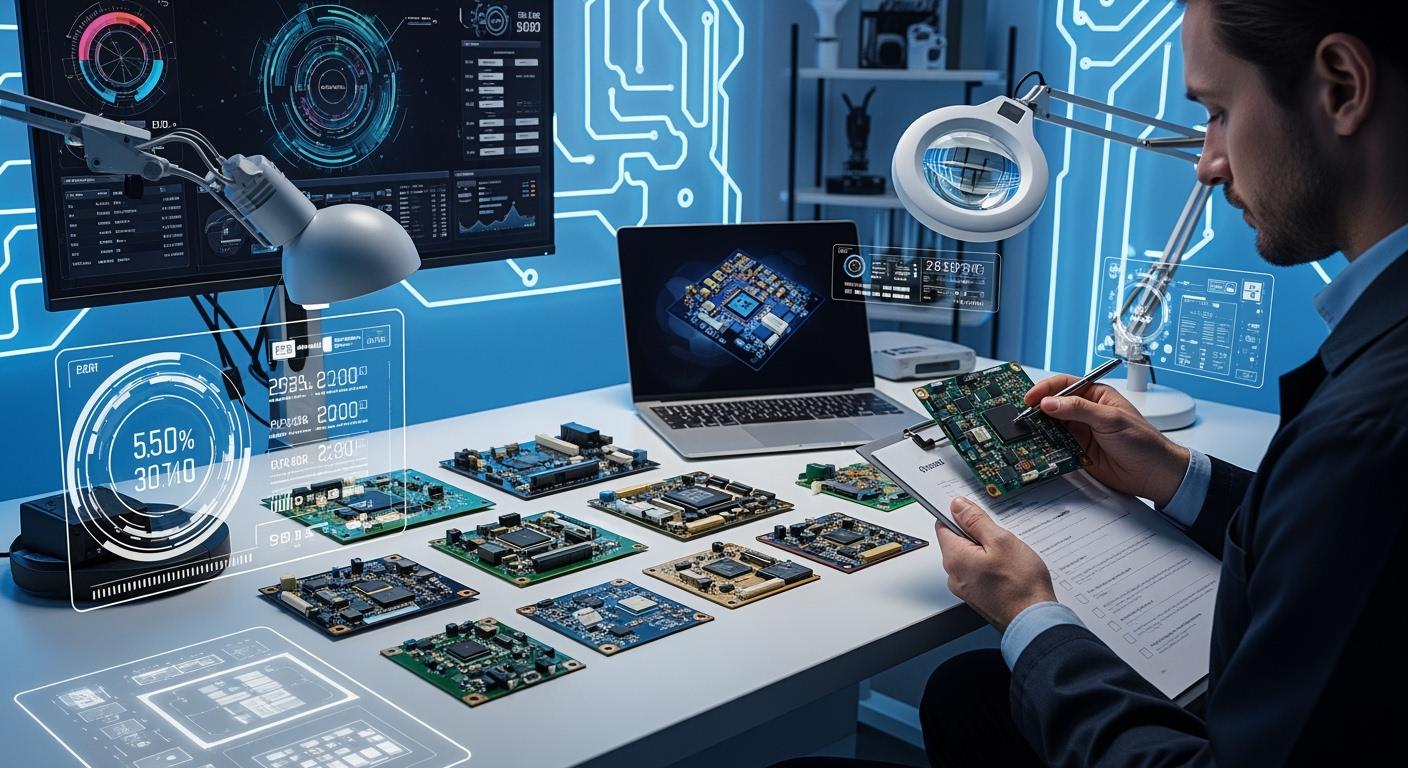
To evaluate PCBA manufacturer options, you should assess their strengths carefully. Make sure they fit your project needs by conducting a thorough evaluation. Careful checking when you evaluate PCBA manufacturer candidates helps you avoid issues and achieve your goals. Focus on process coverage, engineering support, quality, and supply chain strength. The table below lists the main criteria companies use to evaluate PCBA manufacturer choices:
Criteria | Description |
|---|---|
Qualifications & Compliance | Evaluate PCBA manufacturer credentials to ensure they have the right qualifications and follow regulations. |
Production Capacity & Flexibility | Evaluate PCBA manufacturer ability to handle both large and small orders and adapt as needed. |
Technical & Manufacturing Capabilities | Evaluate PCBA manufacturer expertise in SMT, THT/DIP, and advanced packaging. |
Quality Control & Reliability | Evaluate PCBA manufacturer quality systems and reliability evidence. |
Service & Collaboration Capabilities | Evaluate PCBA manufacturer engineering support and communication skills. |
Risk Resistance & Stability | Evaluate PCBA manufacturer resilience to supply chain disruptions and overall stability. |
A step-by-step evaluation plan helps you get the best results when choosing a PCBA manufacturer.
Key Takeaways
Check if PCBA manufacturers have the right skills and tools. Make sure they can handle your project size. See if they control quality well so your needs are met.
Pick manufacturers who do every step from start to finish. This helps stop delays and keeps work moving from design to assembly.
Make sure they use new machines and technology. These help make products better, faster, and more reliable.
Good engineering help and DFM services lower mistakes. They also make your product better.
Always check their certificates and quality rules. This shows they follow industry standards and give you good products.
Evaluate PCBA Manufacturer Capabilities
Picking the right PCBA manufacturer means looking at what they can do. You need to check their strengths at every step. This helps your project go well from start to finish.
End-to-End Process Coverage
A good PCBA manufacturer handles every step, from design to inspection. You want a partner who can do all parts of production. This includes design for manufacturability, assembly, testing, and quality checks. When you look at PCBA manufacturer choices, see if they cover the whole process. This helps avoid delays and gives better results.
Here are the main parts of end-to-end process coverage:
Key Component | Description |
|---|---|
Design Considerations | Focus on part availability, lead times, and testing to make things easier. |
Fabrication | Uses image transfer, printing, etching, and bonding to make working PCBs. |
Assembly | Includes pick and place, through-hole insertion, and making sure parts are in the right spot. |
Testing | Important for reliability, uses methods like AOI, ICT, and functional testing. |
Quality Control | Uses process controls and checks to keep yield and reliability high. |
You should also find manufacturers who use detailed files and paperwork. These include Gerber files, centroid files, bills of materials, drawings, drill files, and clear assembly steps. This detail helps move from design to assembly without problems.
A normal end-to-end process has these steps: 1. Design and paperwork check 2. Getting and buying parts 3. PCB making 4. PCB assembly 5. Testing and checking quality 6. Final check and packing
Tip: When you look at PCBA manufacturer choices, ask them to show their process. This lets you see if they can handle your project from start to finish.
Production Capacity and Scalability
Production capacity is important when you look at PCBA manufacturer options. You need to know if they can handle your order size. This is true if you need just a few or many thousands. The best manufacturers can handle many sizes:
Production Type | Capacity Range |
|---|---|
Small-scale prototypes | 1 to 100 prototypes |
Large-scale mass production | Over 10,000 pieces |
A good manufacturer can grow as your needs grow. They can move from small runs to big orders. They use planning and buffers to handle changes in demand. This flexibility helps you avoid waiting and saves money.
Manufacturers often move from prototypes to big orders with a set process.
They use planning to handle quick changes.
Making more units spreads costs and lowers the price per part.
Bigger orders can mean cheaper parts and better machine use.
When you look at PCBA manufacturer choices, always ask about their capacity and how they grow. This makes sure your project will not get stuck as it gets bigger.
Equipment and Technology
The right equipment and technology make a manufacturer stand out. New machines and tools help with quality, speed, and reliability. When you check PCBA manufacturer abilities, see if they use up-to-date equipment for each step.
Technology/Equipment | Description |
|---|---|
64 layer processing technology | Handles up to 64 layers with careful trace and space control. |
Gold finger processing technology | Makes sure high-density trace precision for communication products. |
Back-drilling technology | Lowers inductance for better signal quality. |
Metal-based manufacturing | Handles high heat for power products. |
Mechanical and laser depth control | Makes multi-level structures for assembly. |
Mixed pressure process | Mixes materials to save money and boost performance. |
Anti-CAF process technology | Makes PCBs last longer and work better. |
Buried capacitor and resistor tech | Makes PCBs work better. |
Inner layer exposed technology | Works for high-frequency circuits. |
AOI machine | Finds problems in high-precision circuits. |
Impedance tester | Checks impedance testing is correct. |
Plasma processing equipment | Gets high-frequency materials ready for making. |
CNC drilling machine | Controls deep hole and back drilling. |
LDI machine | Transfers images for high-precision circuits. |
Lamination equipment | Presses boards with many layers. |
Vacuum resin plugging machine | Makes BGA panels more precise. |
Reliability testing equipment | Checks product quality with different tests. |
Modern technology brings many good things:
Automation and robots make things faster and more exact.
Better soldering and checking tools lower mistakes.
Smaller tech helps make tiny, complex devices.
Better processes cut costs and help new ideas.
You should always check PCBA manufacturer equipment lists and ask about new upgrades. This helps you know they can meet your needs for quality and ability.
Engineering Support & DFM
Engineering support is very important for a good PCBA project. Design for Manufacturability (DFM) services help you avoid mistakes and delays. When you look at PCBA manufacturer choices, see if they give DFM feedback early. This help can make more good products, lower risks, and get your product out faster.
Top manufacturers give:
DFM, DFA, DFT, and DFR tips
Advice on pad design and thermal relief
Fast engineering checks and feedback
Direct talks between engineers and your R&D team
Talking with the manufacturer during design helps with testing and flexibility. It also makes it easier to go from prototype to full production. Good DFM can raise yields to 98-99%, while bad designs only get 85-90%. This means more good products and more money for you.
Note: Early DFM help makes lead times shorter and cuts down on changes. This helps you get your product out faster and with fewer problems.
When you look at PCBA manufacturer choices, always ask about their engineering support and DFM services. This makes sure your design will work well in real production.
Quality Management and Certifications
When you pick a pcba manufacturer, you need to check their quality management and certifications. This makes sure your pcba meets important rules. This part explains how to check quality control, testing, and if they follow industry standards.
Quality Control Processes
Quality control steps help you get good products. You should ask the manufacturer about these steps. These steps find problems early and help make more good boards. Here are some common quality control steps in pcba manufacturing:
Solder Paste Inspection (SPI) checks how much paste is used.
Automated Optical Inspection (AOI) looks at where parts are placed and how solder joints look.
In-Circuit Test (ICT) checks if the board’s wires connect right.
Functional Test checks if the pcba works the way it should.
Inline process controls find problems during making.
Post-assembly checks help keep the number of good boards high.
Data from these steps shows what needs fixing.
Fixing problems and better steps make quality higher.
You can use a table to see how these steps compare:
Process | Purpose |
|---|---|
SPI | Checks solder paste volume |
AOI | Finds placement and solder issues |
ICT | Tests electrical connectivity |
Functional Test | Checks end-use performance |
Inline Controls | Catches defects during production |
Post-Assembly Checks | Keeps yield consistent |
You should ask the pcba manufacturer if they use these steps. This helps you get boards that meet your needs.
Electrical Test Capacity
Electrical testing makes sure your pcba works right. You need to check what tests the manufacturer can do. Many manufacturers use different tests to check quality and how well the board works.
Functional circuit testing checks if the pcba does its job.
Boundary scan testing checks wires when some spots are hard to reach.
In-circuit testing checks many things on the board at once.
AOI compares pictures to perfect ones to find mistakes.
X-Ray inspection finds hidden problems like solder shorts.
Continuity testing checks if connected spots have the right resistance.
Isolation testing checks if separated spots stay apart.
High-Potential (hipot) testing checks if the board is safe at high voltage.
Manufacturers use different test speeds and costs:
Test Method | Speed | Accuracy | Cost | Best Use |
|---|---|---|---|---|
In-Circuit Testing | High | High | Medium | Standard production |
Flying Probe Testing | Medium | High | Low | Prototypes, low volume |
Functional Testing | Low | Very High | High | Final validation |
You should ask the pcba manufacturer if they test every board before shipping. Many good test solutions can check all boards before they leave the factory. This helps you trust the quality and how well your pcba works.
Tip: Always ask if the manufacturer tests every board. This lowers risk and makes sure your pcba is good.
Industry Certifications (ISO, IPC)
Certifications and standards show a manufacturer follows important rules. You need to check if your pcba manufacturer has the right certificates. These certificates prove they know how to make good boards.
ISO certificates help set up quality systems. They show the manufacturer meets customer needs and follows rules.
IPC certificates focus on putting together electronic equipment. They give rules for making good pcba.
UL certificates cover safety rules in pcba making. They check if materials and steps are safe.
You can use a table to compare certificates and standards:
Certification | Focus Area | Why It Matters |
|---|---|---|
ISO | Quality management systems | Meets customer and legal needs |
IPC | Electronic assembly | Sets quality guidelines |
UL | Safety standards | Checks materials and processes |
You should ask the manufacturer to show proof of certificates and standards. This helps you know they follow good rules and make good products.
Note: Certificates and standards help you avoid problems and get good pcba. Always check the manufacturer’s certificates before you start your project.
Supply Chain and Logistics in PCBA
Material Management
Strong material management helps your pcba project stay on track. Good habits stop delays and keep quality high. Manufacturers use some best ways to handle materials:
Best Practice | Description |
|---|---|
Thermal Management | Run tests to guess heat warping before you finish your design. |
External Features | Add heat sinks or fans to help cool things down. |
Structural Enhancements | Make connections stronger where heat might bend them. |
You should pick manufacturers who use lead-free solders. They should also use biodegradable solder masks and halogen-free laminates. These choices are better for the environment. Manufacturers keep track of every part lot, write down process history, and give each pcba a special ID. This tracking helps you find problems fast and builds trust with your customers.
Supplier Integration
Supplier integration is important for your pcba project’s success. Manufacturers use demand forecasting and talk openly with suppliers. They make long deals to keep parts ready and prices fair. They use many suppliers and keep extra stock to stop shortages. You get to see the whole process, use one quality system, and get engineering help early. These steps help you go from prototype to production fast and keep costs steady.
Strategy | Description |
|---|---|
Component Sourcing | Pick parts to lower supply chain risk. |
Real-Time Tracking | Use systems to watch materials from start to finish. |
Supply Chain Resilience | Handle long-life BOMs for car and medical pcba. |
Early Engineering Integration | Get DFM and test help early in the process. |
Delivery and Lead Times
Delivery and lead times are important for every pcba project. Most of the time, lead time is about 20 work days. If you need it faster, some manufacturers offer quick-turn service. Good supplier checks help you get parts on time. You should look at supplier certificates, delivery records, and quality history. Manufacturers use planned supply chains and just-in-time delivery to keep things moving. They handle all parts of shipping to stop delays.
Tip: Rushing to buy parts can hurt quality. Always check your supplier’s record before you start making boards.
Quick-Turn PCB Manufacturer Options
If you need things fast, a quick-turn pcb manufacturer can help. These companies are good at making pcba and bare boards quickly. For example, some can make 2–4 layer boards in 24–48 hours. Boards with 6–8 layers may take 2–4 days. If you use in-stock parts, you might get your prototype in 24–72 hours. If you need to buy parts, add 1–3 days to the wait.
Manufacturer | Turnaround Time | Specialization |
|---|---|---|
A-Tech Circuits | 24 to 72 hours | Small to medium PCB orders |
American Standard Circuits | Varies | U.S. manufacturing, quality and reliability |
Avanti Circuits Inc. | Same-day to 24 hours | High-quality PCBs with strict rules |
Overseas Manufacturers | As fast as 24 hours | Good prices, but shipping might be slow |
A quick-turn pcb manufacturer helps you meet tight deadlines and launch your product faster. You should always ask how fast they work and how they handle rush orders.
Service, Communication, and Value
Customer Support and Responsiveness
Strong customer support is important when you work with a PCBA manufacturer. Good support helps you fix problems fast and keeps your project moving. The best manufacturers answer questions quickly and help you find answers. They listen to your needs and change their service if your project changes. The table below shows the main things that matter for customer support and responsiveness:
Factor | Description |
|---|---|
Response Times | Fast answers help solve problems and show good service. Quick replies mean the company cares about your needs. |
Communication and Transparency | Clear updates about your project help you know what to expect and build trust. |
Flexibility and Customization | Changing plans to fit your needs is important for good service. |
Customer Satisfaction Metrics | Scores like Net Promoter Score (NPS) show how happy customers are and how good the service is. |
Manufacturers who want happy customers use feedback and surveys to get better. They also use quality checks to make sure you get good products every time.
Transparent Communication
Open and clear communication helps you avoid problems and surprises. You want a manufacturer who gives updates often and answers your questions. Many companies use order tracking so you can see your order anytime. They also have plans to check in with you and fix problems fast. The table below shows ways manufacturers keep communication clear:
Method | Description |
|---|---|
Strategic Follow-Up Plans | Regular check-ins help keep communication personal and strong. |
Advanced Order Tracking Systems | Real-time tracking lets you see your order and get quick help if needed. |
Customer Satisfaction Surveys | Surveys help find out how happy clients are and what needs fixing. |
Robust Issue Resolution Mechanism | Fast fixes for problems help build trust and keep clients happy. |
Timely Order Updates | Updates about your order help you feel like a partner. |
Expert Technical Support | A support team helps with technical questions and makes your experience better. |
When you get clear updates and quick answers, you feel more sure about your project. This also helps you build a good relationship with your manufacturer.
Pricing and Value Analysis
You should always check pricing and value before picking a manufacturer. Pricing changes based on how many boards you order, what parts you need, and how hard your project is. The table below shows how different things affect pricing:
Cost Category | Description | Impact on Pricing |
|---|---|---|
Component Costs | The price of each part in the BOM | This changes the total cost of your project |
Order Volume | How many PCBA you order | Ordering more usually lowers the price for each board |
Project Specifications | Special needs for your project | Harder projects can cost more if they need special parts or steps |
Manufacturers who use new technology can sometimes offer better prices for good products. You should compare value, not just price. Good support, strong technology, and high-quality products help you get the best results and make customers happier.
PCBA Manufacturer Reviews and Reliability
Customer Reviews and Testimonials
Reading customer reviews helps you learn about a manufacturer. Reviews tell you if the manufacturer meets deadlines and fixes problems. Look for comments about reliability and how happy customers are. People often talk about delivery times, quality, and support. If most reviews are good, you can trust the manufacturer more. Bad reviews may show slow help or problems with reliability. Always check for patterns in reviews, not just one or two.
Tip: Reviews that mention quick help, clear updates, and happy customers usually mean the manufacturer is reliable.
Track Record and Case Studies
A strong track record means the manufacturer has real experience. Ask for case studies or examples of past work. These stories show how the manufacturer solves problems and stays reliable. Look for details about their work in your industry and use of new technology. Case studies show how the manufacturer handles changes, manages delivery, and keeps customers happy. Use the table below to check important things when you look at a manufacturer's history:
Criteria | What to Look For |
|---|---|
Experience | Projects in your industry |
Certifications | ISO, IPC, or other quality standards |
Technology capabilities | Use of modern equipment |
Customer support | Fast and clear communication |
Production capacity | Ability to handle your order size |
Quality assurance | |
Flexibility | Quick response to design changes |
Delivery times | On-time delivery history |
Service responsiveness | Quick help when you need it |
Operational efficiency | Smooth processes and few delays |
Customer feedback | High satisfaction and positive reviews |
Risk Management
Reliability depends on how well the manufacturer handles risks. Ask how they deal with supply chain problems or sudden changes in orders. Good risk management keeps your project safe even if something goes wrong. They should have backup plans for part shortages and ways to keep quality high. You can visit the factory to see how they work. This helps you judge how efficient and reliable they are. Picking a manufacturer with strong risk management protects your project and makes you happier.
You can pick the best PCBA manufacturer by using an easy list.
See what process and technology they use.
Check if they have good quality systems and certificates.
Look at how strong their supply chain is and how fast they deliver.
Try out their customer support and see how well they talk to you.
Read what other people say and ask for stories about their past work.
Think about value and trust for the future. Ask the manufacturers any questions you have. These steps help you choose the right one with confidence.
FAQ
What should you look for in a pcba manufacturer?
You should see if the pcba manufacturer does strong pcb assembly. They need to have clear steps for quality. Good customer support is important too. Ask them about their certificates and rules they follow. Make sure they can do your pcb project from beginning to end.
How does a pcba manufacturer ensure pcb quality?
Manufacturers use steps like AOI, ICT, and functional tests. You should ask if they check every pcb. Good quality means there are fewer mistakes. This gives you better pcba results.
Why is pcb quality important for your project?
Quality changes how well your pcba works. High-quality pcb boards last longer. This helps you avoid repairs that cost a lot. You get better results and your customers trust you more.
How many pcb boards can a pcba manufacturer produce?
A pcba manufacturer can make just a few prototypes or thousands of pcb boards. You should ask how many they can make. This helps you plan your project and not have delays.
What certifications should a pcba manufacturer have?
You need to look for ISO and IPC certificates. These show the manufacturer follows important rules. Certified manufacturers give you better pcb quality and safer pcba products.
See Also
Choosing the Right PCBA Supplier for Your Requirements
Finding the Ideal Turnkey PCBA Manufacturer for Your Project
Enhancing Business Efficiency Through PCBA Contract Manufacturing
