How to Choose the Right PCBA for Electric Bikes
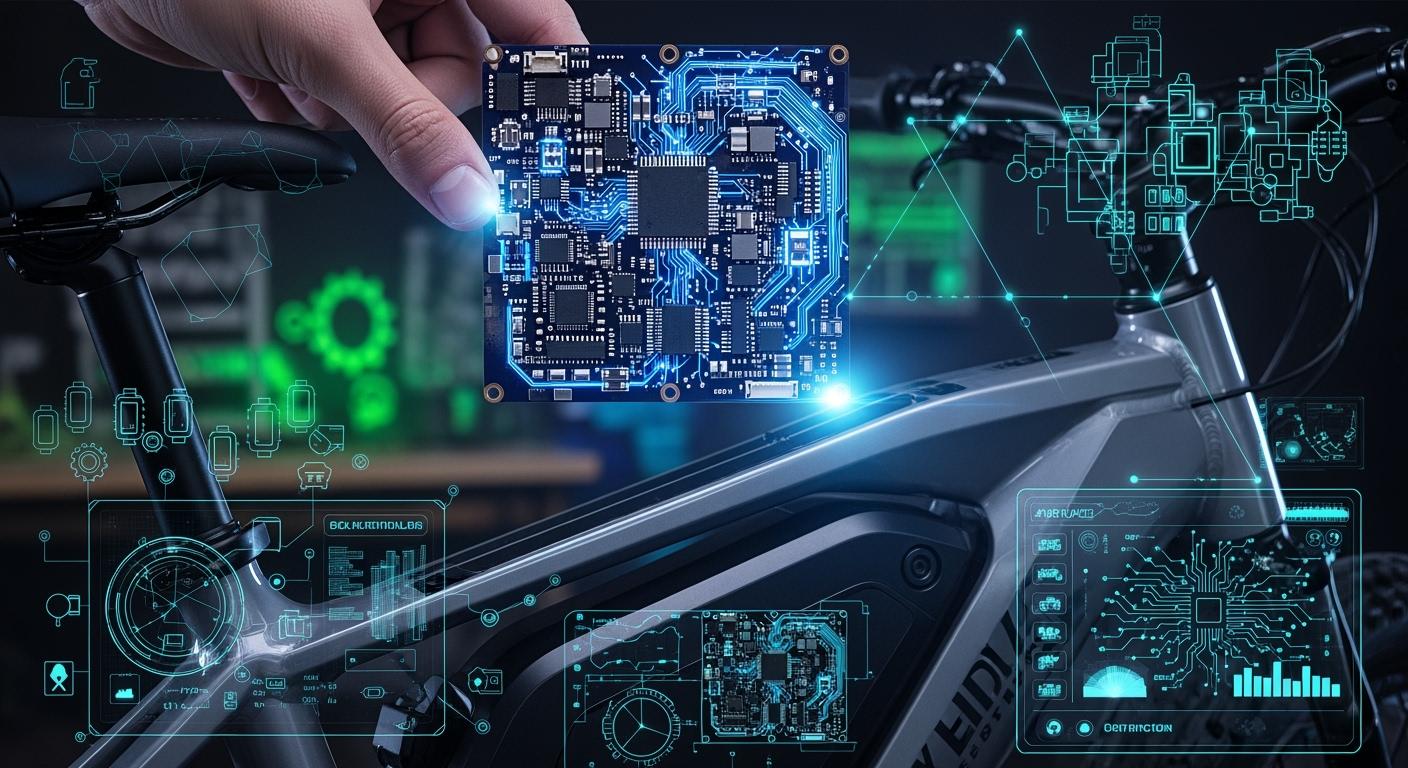
When you pick a PCBA for electric bikes, you need to think about safety and how well it works. The PCBA is like the brain for your electric bike. It controls important things like battery health, charging, and motor control. A good Battery Management System lets you check the battery and stops unsafe charging. The Electronic Speed Controller changes how your bike moves and works. New IoT and AI features give you more safety and make things work better. Always choose PCBAs that are certified and follow rules to keep your bike and money safe.
Key Takeaways
Pick a PCBA that focuses on safety and works well. Find certified choices to keep your bike and money safe.
Choose strong materials and good specs for long use. This helps your PCBA handle tough weather and last longer.
Make sure the PCBA fits your electric bike and its parts. This stops problems with how it works and keeps you safe.
Search for cool features like sensors and AI tech. These make riding better and help you stay safe.
Buy from trusted suppliers with good certifications. This makes sure you get PCBA parts that work well and last.
Key Factors for Electric Bike PCB Selection
Performance and Reliability
When you pick an electric bike pcb, you want it to work well and last. Performance means the pcb can give your bike the power and speed it needs. Reliability means it works every time, even if the weather is bad. Many people see that electric bikes break more than regular bikes. This is because some companies care more about saving money than making a strong electric bike pcb. You can make your pcb last longer by choosing parts that follow strict rules and by buying from good suppliers.
Here is a table that lists important things to check for electric bike pcb:
Metric | Specification Details |
|---|---|
Base Material Flammability | UL 94 V-0: Self-extinguishes in 10 seconds. |
Glass Transition Temperature (Tg) | High-Tg FR4, Tg ≥ 170°C. |
Comparative Tracking Index (CTI) | PLC 0 or PLC 1 (CTI ≥ 600V). |
Copper Weight | 2oz, 3oz, or 4oz copper for high current. |
Decomposition Temperature (Td) | Td ≥ 340°C. |
Solder Mask Quality | LPI solder mask >10µm thickness. |
Ionic Contamination | < 0.75 µg/cm² NaCl equivalent. |
Via Reliability | IPC Class 3 plating (25µm). |
Surface Finish | ENIG for corrosion resistance. |
Peel Strength | > 1.05 N/mm after thermal stress. |
Dielectric Breakdown Voltage | > 40 kV/mm. |
Traceability Markings | UL logo, date code, flammability rating. |
Tip: Always look for these things when you pick an electric bike pcb. They help stop problems like getting too hot, short circuits, and breaking early.
Technical Specs: Copper, HDI, and Flexibility
The details of your electric bike pcb are very important. One big thing is how thick the copper is. If the copper is too thin, the pcb can get too hot and stop working. Heavy-copper pcbs (2oz or more) can carry more power and help your electric bicycle motor run better. HDI technology helps your pcb handle heat and lets you make smaller designs. This means your electric bicycle parts can be lighter and smaller, which is good for both electric bikes and electric scooter models.
Here is a table that shows the difference between HDI pcbs and regular FR-4 boards:
Feature | HDI PCBs | FR-4 Boards |
|---|---|---|
Thermal Conductivity | Higher than FR-4 | Lower than HDI |
Heat Dissipation | More effective | Less effective |
Risk of Hot Spots | Reduced | Higher |
You should also think about flexible pcbs. These can bend and fit into small spaces, so they are great for new electric bicycle parts. If your pcb has enough thermal vias and a big copper area, it will handle heat better and last longer.
Compatibility with Electric Bikes and Scooters
You need to make sure your electric bike pcb works with your bike and other electric bicycle parts. If it does not, you could have big problems, especially with electric scooter models. Many electric bikes and scooters use brushless motors and smart controllers. These parts can make electromagnetic noise, which can mess up your pcb and sensors.
Here is a table that shows where electromagnetic compatibility (EMC) problems come from:
Source of EMC Issues | Description |
|---|---|
Motor System | Brushless DC motors create high-frequency noise. |
Power Electronics | Fast switching in controllers causes interference. |
Charging System | Chargers can affect nearby devices. |
Wireless Modules | Bluetooth, GPS, and cellular modules can both emit and receive interference. |
Sensor Systems | Low-voltage sensors are sensitive to noise. |
To stop these problems, pick an electric bike pcb that follows safety rules and has good shielding. New bms technology helps keep your battery safe. It checks and protects the battery so it does not get too hot or break. A good controller from a trusted controller maker will also help your electric bike pcb work better with your electric bicycle motor.
PCB stator technology can make your electric bike safer and work better. It gives you more power and lets you ride farther. The small design fits well in mid-drive systems and makes your ride smooth. Fully covered windings stop insulation from breaking, so your bike stays safe.
Note: Anti-spark switches are a smart idea. They stop sparks when you plug in or unplug your battery, which keeps your electric bike pcb and other electric bicycle parts safe.
Electric Bike PCBA Features and Standards
Sensor Integration and Connectivity
Sensors make your electric bike smarter and safer. They help your pcb talk to the controller and other parts. Speed sensors show how fast you go and help with cutoffs. Torque sensors check how hard you pedal, so your bike can help you more. Brake sensors know when you pull the brake and turn off the motor for safe stops. There are also cadence sensors, throttle position sensors, and temperature sensors. These sensors let your pcb watch the battery and keep your ride smooth.
Hall-effect speed sensors
Torque sensors
Brake sensors
Cadence sensors
Throttle position sensors
Temperature sensors
Tip: Good sensor integration helps your electric bike pcb react fast and keeps you safe.
Durability and Environmental Resistance
You want your electric bike pcb to last in rain, dust, and rough rides. Picking strong materials is important. Strong materials make your pcb reliable and help your bike parts last longer. You should check the environmental resistance ratings. These ratings show how well your pcb handles water, dust, and corrosion.
Rating | Description |
|---|---|
NEMA 1 | Protects indoors from light dust and accidental touch. |
NEMA 3 | Protects outdoors from dust, rain, snow, and ice. |
NEMA 4 | Keeps water out in industrial places. |
NEMA 4X | Stops corrosion in coastal or chemical areas. |
NEMA 12 | Protects indoors from dust and moisture for machines. |
IP54 | Keeps out some dust and splashes. |
IP65 | Keeps out all dust and water jets. |
IP67 | Protects from short dips in water outside. |
Note: Pick a pcb with IP65 or IP67 if you ride in bad weather. This keeps your electric bike safe and working.
Certifications and Safety Compliance
Your electric bike pcb must meet safety standards. Certifications show your pcb is safe and ready to sell. Standards like EN 15194 and UL 2849 cover electric bike parts and bms systems. They make sure your battery and electronics follow strict rules.
Certification | Description | Region |
|---|---|---|
EN 15194 | Safety and performance for electric bikes | EU |
UN 38.3 | Transport safety for lithium-ion batteries | International |
IEC 62133 | Battery safety for shipping | International |
CE / RoHS | Product and environmental compliance | EU |
UL 2849 | Electrical safety for e-bikes in the U.S. | US |
Callout: Always check for these certifications before you buy an electric bike pcb. This keeps you and your bike safe.
Evaluating Electric Suppliers and Market Trends
Supplier Reputation and Certification
You should check if a supplier is trusted before you buy a pcb for electric bikes or scooter models. Good suppliers use strong quality checks and have good ways to test their work. Here are some things to look for:
Quality control helps electric bikes meet top standards.
Supplier audits show if the company can meet your needs.
Certifications like ISO 9001 and IPC standards prove the supplier follows rules.
Good technology lets the supplier handle big jobs.
Flexibility means the supplier can change plans and make fast prototypes.
Location can make talking and shipping easier.
Certifications are important for electric bike pcb and electric bicycle parts. ISO 9001 shows the supplier has good quality management. IPC standards help stop problems in pcb making. Suppliers with these certifications often give better support and warranty. Always ask to see proof of certification before you buy.
Sourcing Options and Pricing
There are different ways to get electric bike pcb and bms systems. Some suppliers make supply chain management simple. This helps stop mistakes and makes production faster. You get your order sooner and get better support after you buy. Here is a table that shows the benefits:
Benefit | Description |
|---|---|
Simplified supply chain management | Makes getting parts easier and faster. |
Reduced sourcing errors | Helps stop mistakes when buying parts. |
Shortened production lead time | Makes manufacturing quicker for faster delivery. |
Enhanced after-sales support | Gives warranty, repair, and help for electric bikes. |
You should compare prices and see what each supplier gives you. Look for warranty and repair services. These help your electric bike and scooter last longer.
Trends: Miniaturization and User-Friendly Design
New trends in electric bike pcb make riding better. Miniaturization lets you put more parts in small spaces. HDI technology makes small and smart circuits. Flexible pcb can bend and fit inside the bike frame. AI-driven sensors make pedal help smarter and improve the controller. You can see these trends in this table:
Trend | Description |
|---|---|
High-Density Interconnect (HDI) | Uses layers to make small circuit designs. |
Flexible PCBs | Bends and fits in tight spots in electric bikes and scooter models. |
AI-driven sensors | Adds smart features for better pedal help and controller. |
User-friendly design makes electric bikes easy to use. You get faster charging and batteries ready right away. Real-time monitoring helps you take care of the battery. These features help more people use electric bikes and scooter models. They also help the planet by cutting greenhouse gas and saving energy.
Tip: Look for stealth integration, 48V boards, and differences between electric bikes, scooter models, and motorized bikes. These features make your electric bicycle parts ready for the future and new technology.
You should check if the PCBA fits your electric bike. Make sure the supplier is reliable and follows the rules.
Using a checklist helps you find problems early. This saves time before you start testing.
Here is a simple checklist to help you:
Pick suppliers with certifications.
Make sure it is safe and works with your bike.
Choose features that will work in the future.
If you focus on these things, you get good results:
Better performance
Lasts longer
Safer to use
Good for the environment
Evidence Description | Importance |
|---|---|
Compliance means all parts follow the rules. | This keeps you out of legal trouble and makes the PCBA safe. |
Reliable suppliers give you good parts every time. | This helps your electric bike work well, even in tough places. |
FAQ
What certifications should you check for electric bike PCBA?
You should look for EN 15194, UL 2849, CE, and RoHS certifications. These show the PCBA meets safety and environmental standards. Always ask your supplier for proof.
How do you know if a PCBA fits your electric bike?
Check the technical specs and connector types. Compare them with your bike’s requirements. Ask your supplier for compatibility charts or sample boards.
Why does copper thickness matter in PCBA?
Thicker copper helps your PCBA handle more current. It keeps your bike safe from overheating. Choose 2oz or higher for strong performance.
What is the role of a Battery Management System (BMS)?
A BMS protects your battery from overcharging and overheating. It monitors cell health and balances power. You get longer battery life and safer rides.
How can you protect your PCBA from water and dust?
Pick a PCBA with IP65 or IP67 ratings. These ratings show strong resistance to water and dust. You can ride in rain or rough conditions without worry.
See Also
Tips for Choosing the Right PCBA Supplier for You
Finding the Ideal Turnkey PCBA Manufacturer for Your Project
Selecting the Top Comprehensive PCB Assembly Service Provider
Sourcing Electronic Components for Effective PCBA Production
