PCBA Conformance Testing for Compliance
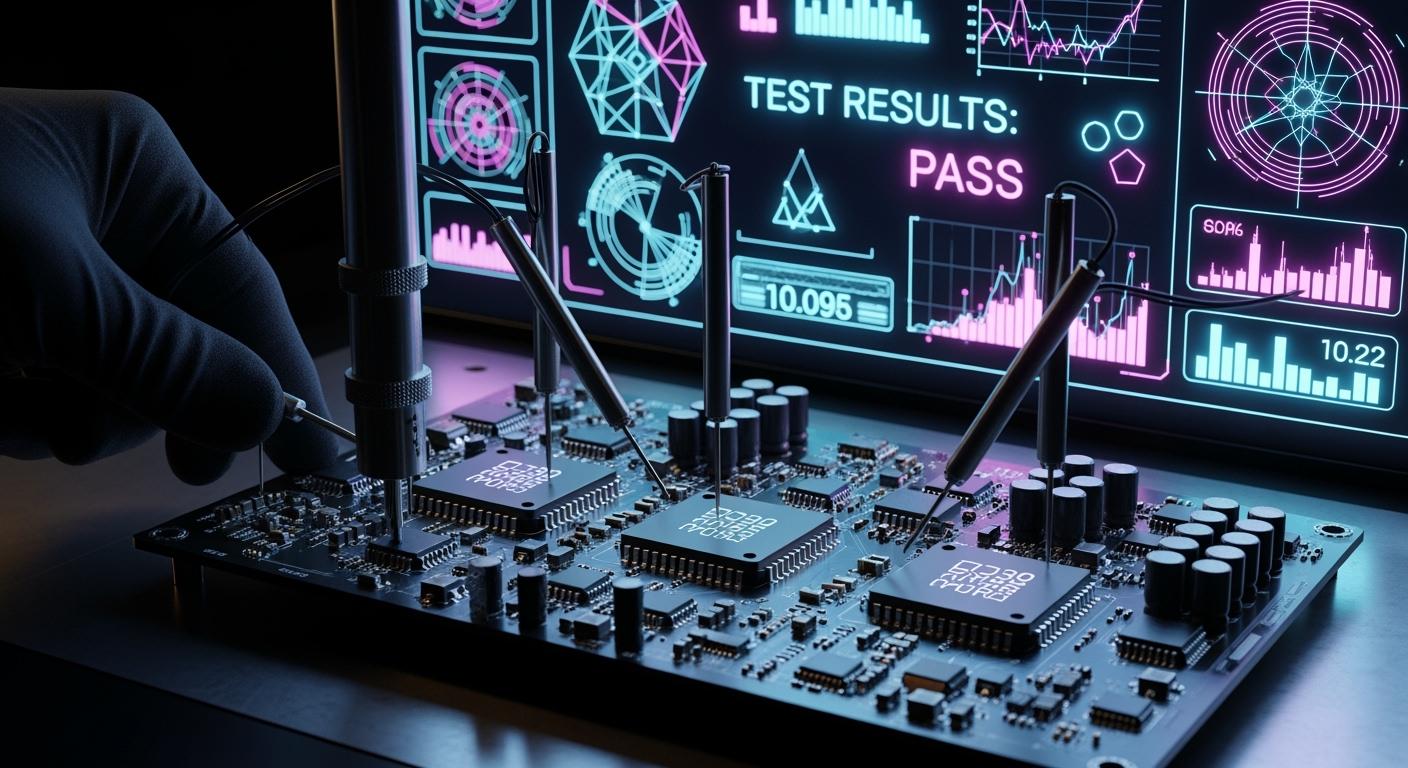
You have to make sure your products follow tough rules. PCBA conformance testing checks your circuit boards for safety and quality. This testing helps you obey laws in many countries, like RoHS and REACH. You need to use correct materials and test them to help the environment. Doing this keeps your products safe and ready for approval. Conformance testing shows your product meets certain needs. Compliance means you follow all laws and market rules.
Key Takeaways
PCBA conformance testing checks if your circuit boards are safe and good quality. This helps you stay out of legal trouble.
Use a reach compliance checklist to watch what materials and chemicals you use. This makes sure your products are safe and good for the environment.
Update your compliance checklist and training often. This helps you know about new rules and makes your products better.
Keep good records of materials, test results, and certifications. This makes audits easier and shows you follow the rules.
Use different testing methods like AOI and functional testing. These help you find problems early and keep your products working well.
PCBA Conformance Testing Overview
What Is PCBA Conformance Testing
You have to check each printed circuit board assembly before sending it out. PCBA conformance testing helps you see if your pcb is safe and good quality. You look at the pcb design and check if the assembly follows the rules. You test the pcb to find problems early. You use different ways to check the assembly. You want to know if the pcb works right and matches the design.
There are many types of pcba conformance testing. Each test helps you find different problems in the pcb and assembly. Here are some common tests you use:
Appearance inspection
Electrical performance testing
Structural and dimensional inspection
Packaging and protection
You look for defects in the pcb. You measure the assembly to see if it fits the design. You test the pcb for electrical problems. You check if the assembly has the right labels. You protect the pcb when you ship it. These tests help keep your assembly safe and working well.
Tip: Always check the pcb design before you start building. This step helps you stop mistakes and saves time.
Compliance vs. Conformance Testing
You need to know how compliance and conformance testing are different. Compliance testing checks if your pcb and assembly follow the laws and rules. You must meet standards like RoHS and REACH. You test the pcb to see if it passes legal rules. You use compliance testing to get certificates and sell your products in more places.
Conformance testing checks if your pcb matches the design and technical rules. You look at the assembly and see if it fits the pcb design. You use conformance testing to make sure the assembly works as planned. You check the pcb for quality and how well it works. You use both compliance and conformance testing to keep your assembly safe for customers.
You need to use pcba conformance testing in every step of pcb design and assembly. You check the pcb for problems. You test the assembly to see if it is reliable. You make sure the pcb meets the rules. You use compliance testing to follow the law. You use conformance testing to match the pcb design. You keep your assembly safe and ready for approval.
Testing Type | Purpose | Focus Area |
|---|---|---|
Compliance | Follows laws and regulations | Legal requirements |
Conformance | Matches design and standards | Technical specs |
You must use both kinds of testing in your pcb design and assembly. You keep your pcb safe. You make your assembly work well. You help your products get to the market.
Why Compliance Matters
Legal Requirements & Certifications
You have to follow strict rules when you make and sell electronics. These rules protect your business from fines and problems. You need to show proof that your products follow the rules. Many places want you to get certifications before you can sell.
Here are some common certifications for PCBAs:
IPC gives rules for assembly and helps you make high quality products.
ISO checks if you use good quality systems and makes customers happy.
RoHS stops dangerous materials and keeps products safe for nature.
UL Listing checks safety and helps stop fires or shocks.
ITAR protects important technology and stops fake products.
MIL gives rules for military PCBAs to work in tough places.
You must keep papers that show your certifications and proof. These papers show you follow the rules and make good products.
Safety, Reliability, and Market Access
You want your products to be safe and work well. Following quality rules helps you find problems early and fix them. You must follow rules to keep your products safe and ready to sell.
Aspect | Impact on Safety and Reliability |
|---|---|
Quality Assurance | Finding and fixing problems early keeps products good and safe. |
Compliance | Following rules protects you from trouble and keeps products safe. |
Legal Obligations | Following laws keeps your products safe and avoids legal problems. |
Market Access | Missing papers can stop your products from new markets. |
Risk Management | Good plans help you avoid problems and make products better. |
You need to follow rules in different places to sell your products. For example, the EU wants RoHS and CE papers. The US wants FCC papers. India and Brazil want their own papers. If you miss these rules, your products may be delayed or not sold.
Note: Keeping up with rules and papers helps you sell in more places and keeps your products safe and good.
Key Standards & REACH Compliance
IPC & ISO Certifications
You must follow important standards when making a PCB assembly. IPC standards help you keep your assembly high quality. These rules guide you to check for defects and fix them. You should use IPC rules so your assembly meets industry needs. ISO certification is also needed for your business. ISO 9001 shows you have a good quality system. ISO 14001 helps you care for the environment. You need ISO certification to show customers you care about safety and quality. These certifications help you build trust and reach new markets. When you follow ISO and IPC standards, your PCB assembly becomes strong and reliable.
RoHS and REACH Compliance
You must learn about RoHS and REACH when designing your PCB. RoHS means you cannot use dangerous materials in your assembly. RoHS compliance helps you make safer products and protect workers. You must follow these rules to sell your assembly in the EU, China, or California. If you do not follow them, you can get fines or bans.
REACH is another rule for PCB material compliance reach. REACH focuses on using chemicals safely in your supply chain. You must register and report chemicals used in your PCB design and assembly. REACH compliance means you check every step, from raw materials to finished products. You need a reach compliance checklist to track all chemicals and steps. This checklist helps you avoid common SVHCs in PCB materials. You should use a reach compliance checklist PCB to keep your records clear. If you design with compliance in mind, you can avoid problems and delays.
Adding reach compliance to your PCB design process helps you meet all rules. You can use other materials to lower costs and improve safety. Reach compliance can cost more, but you can manage this by picking better suppliers and keeping good records. You need to check your reach compliance checklist PCB often to stay current.
Environmental Impact of REACH
You help the planet when you follow REACH compliance. REACH lowers the use of harmful chemicals in PCB design and assembly. This makes recycling safer and reduces e-waste. When you follow reach svhc pcb design rules, you show you care about safety and the environment. You also save money on waste disposal.
REACH compliance matches other standards like RoHS and ISO. This makes it easier for you to follow all rules at once. You can use a reach compliance checklist to make sure you do not miss any steps. PCB material compliance reach helps you pick safer materials and recyclable substrates. You need to check your reach compliance checklist PCB to keep your process green.
When you follow reach svhc pcb design, you protect workers and nature. You also make your company look better. Customers trust you more when you show you care about quality and safety. You can use these steps to meet requirements and keep your assembly strong.
Tip: Always update your reach compliance checklist and check your PCB design for new SVHCs. This helps you stay ahead of new rules and keep your products safe.
PCBA Testing Methods
You must pick the right testing methods to find defects. Each method checks a different part of the pcba process. The table below shows the best ways to test your assembly:
Inspection Method | Description |
|---|---|
Automated Optical Inspection (AOI) | Uses cameras to scan PCBs for surface defects and missing parts. |
Shows inside connections for multilayer PCBs and finds hidden defects. | |
In-Circuit Testing (ICT) | Checks electrical performance by touching test points to find issues. |
Functional Testing | Tests PCB performance by simulating real-world conditions. |
Environmental Stress Testing | Puts PCBs in tough conditions to see how strong they are and how they work. |
Automated Optical Inspection (AOI)
AOI scans your pcb assembly with special cameras. It finds surface defects, missing parts, and placement mistakes. AOI checks solder joints and makes sure parts are in the right place. This method helps your assembly stay consistent. AOI catches problems early in the pcba process.
Tip: AOI checks both sides of the pcb fast and accurately to improve quality.
In-Circuit Testing (ICT)
ICT tests the electrical parts of your pcb assembly. Probes touch test points on the board. ICT finds open circuits, wrong values, and other electrical issues. You can check each part to make sure it works. ICT gives quick and accurate results for many boards.
Functional Testing
Functional testing checks if your pcb assembly works in real life. It simulates how the board will run in its final product. This method finds problems that other tests might miss. Functional testing checks if the assembly meets all performance needs. It stops bad boards from reaching customers.
Flying Probe & X-ray Inspection
Flying probe testing checks your pcb assembly without a special fixture. It finds electrical issues and works well for small batches. X-ray inspection lets you see inside the pcb. You can find hidden defects like bad solder joints or cracks. X-ray inspection is important for multilayer boards and high-density assembly.
Note: Using these testing methods together helps you find more defects and keeps your assembly safe and reliable.
Achieving Compliance
Testing Procedures
You have to follow clear steps for your pcb assembly. Pick good materials that meet biocompatibility rules. This helps you avoid reach compliance problems and keeps products safe. Always check your pcb design for risks before you start. Use a reach compliance checklist to track all materials and steps. The checklist helps you find chemicals that do not meet reach or other rules.
Set up strong testing and quality checks. These include functional, environmental, and electrical tests. Each test finds different problems in your pcb. Automated optical inspection and in-circuit testing catch defects early. X-ray inspection helps you find hidden faults. Work with your design and manufacturing teams. Teamwork helps you fix design mistakes fast and keeps your pcb assembly strong.
If you make medical devices, you must follow ISO 13485, IEC 60601, and FDA 21 CFR Part 820. These rules help you set up good traceability systems. Traceability links your pcb design, test cases, and final products. This audit trail is important for reach compliance and other certificates. You can use tools and resources for reach compliance to make things easier.
Tip: Update your reach compliance checklist when you change materials or suppliers. This keeps your pcb assembly safe and ready for audits.
Documentation & Record Keeping
You need to keep full records for every pcb you make. Good paperwork shows you follow all rules and standards. Track materials, test results, and certificates for each batch. This helps you prove reach compliance and makes audits easy. Use a document management system to organize your files. This system lets you find records fast and keeps your data safe.
Make sure your shipment papers match your product names and values. This stops delays and extra checks. Always send commercial invoices and certificates with your shipments. If your paperwork is in order, you lower your risk of compliance problems. Keep a reach compliance checklist for each pcb design. This checklist helps you track chemicals and steps for reach and other rules.
Document Type | Purpose |
|---|---|
Material Records | Show all materials meet reach requirements |
Test Results | Prove your pcb passed all quality checks |
Certifications | Show you meet industry standards |
Shipment Documents | Avoid delays and prove compliance |
Note: Good record keeping helps you answer audits and customer questions fast. It also protects your business from fines and bans.
Training & Continuous Improvement
You must train your team to keep up with new rules and reach compliance. Set up training programs for technical skills, quality, and safety. These programs help your team spot problems early and suggest ways to improve. Use feedback from workers and customers to find ways to do better.
A strong quality management system supports your training. This system helps you plan, control, and fix your processes. Include supplier management in your training. This makes sure everyone in your supply chain follows reach and other rules. Use corrective and preventive action (CAPA) to fix issues and stop them from happening again.
Continuous improvement programs help you find new ways to boost quality and reach compliance. Train your team often and update your reach compliance checklist with every change. This keeps your pcb assembly process strong and reliable.
Callout: Training and continuous improvement help your team get ready for new reach rules and keep your certifications.
Challenges & Solutions
Typical Issues in Testing
Testing your PCBA can be hard. You might run into many problems. These issues can slow you down or cause mistakes. Here are some common things you may face:
You have to check if your PCBA matches customer drawings and BOM lists. You also need to follow industry standards.
You must find hidden risks from making the PCBA or shipping it.
You need to keep good records of inspection data for quality checks.
You should look for soldering problems, broken parts, or dirty boards.
You must test if the circuits work and if all parts do their job.
You need to make sure the PCBA fits the size and shape needed for the final product.
You must check that all labels are clear and correct.
You need to make sure the packaging protects the PCBA during transport.
These problems can make it tough to keep your products safe and ready for sale. You may also have trouble with reach compliance, especially when tracking chemicals and materials.
Strategies for Compliance
You can use smart ways to fix these problems and follow compliance rules. The table below shows some helpful ideas to make your process better:
Strategy | Description |
|---|---|
Design for Manufacturability | Work with engineers early so your design is easy to build and test. |
Component Evaluation | Check where you put parts and how heat moves to avoid trouble. |
Compliance with IPC Standards | Follow IPC rules to meet quality and safety needs. |
You can also use these steps to help your process:
Use ISO 13485 for risk management and safety in medical devices.
Follow AS9100 for strong process control in aerospace products.
Use ITAR rules to protect data in defense products.
Meet IPC Class II and III standards for high-reliability electronics.
Tip: Train your team often and update your process. This helps you find problems early and stay ready for audits.
Best Practices for Ongoing Compliance
Staying Updated with Standards
You have to keep up with new rules for pcb design. Laws and standards can change often. These changes can affect your reach compliance steps. You should follow rules like RoHS, REACH, and WEEE. These rules help you handle dangerous materials and protect nature. You also need to check for new IPC standards. These standards help you follow laws and make your pcb better.
It is smart to work with partners in other countries. This helps you learn about new reach rules and good ways to follow them. You can join groups or go to training classes. These things help your team get ready for changes in reach compliance. You should use technology to watch for updates. Many companies use software to get news about new reach or pcb design rules.
Tip: Train your team a lot. This helps everyone learn new reach rules and keeps your pcb design strong.
Action | Benefit |
|---|---|
Follow IPC standards | Fewer mistakes and better pcb quality |
Join industry groups | Learn about new reach rules |
Use compliance software | Get reach updates fast |
Continuous Monitoring
You need to watch your pcb assembly all the time. Sensors and data tools help you find reach compliance problems. These tools can spot issues with chemicals or materials in your pcb. You can use automatic data collection to track every step in your pcb work. This helps you find risks and fix them quickly.
You should keep good records for every pcb you make. A strong data system helps you save test results, reach checklists, and shipping papers. You can use feedback from these systems to find out why problems happen. This helps you make your pcb design and reach compliance better.
You need to check your suppliers often. This makes sure they follow reach and other rules. You should also check your reach checklist after every change in materials or design. Regular checks and watching help you keep your pcb safe and ready for any market.
Note: Watching your process and keeping good records keeps your business safe and helps you meet reach compliance every time.
You help make sure your PCBA products are safe. You need to test them often and keep good records. This helps you follow rules like REACH. When you use smart steps, you get many good things for a long time:
You have fewer recalls and less unhappy customers.
You spend less money on fixing products.
Your brand looks better and people trust you more.
You can sell your products in more places.
Watch for new rules that may change. Work well with your suppliers and check their work often. A team for compliance helps you change fast and keeps your products working well.
FAQ
What is the main goal of PCBA conformance testing?
PCBA conformance testing checks if your circuit board follows design and quality rules. This testing helps you find problems early. It keeps your products safe and reliable.
How does compliance testing help you sell products worldwide?
Compliance testing proves your products follow laws in different countries. You need these tests to get certificates. Certificates let you sell your products in more places.
Which documents should you keep for compliance?
You should keep:
Material records
Test results
Certifications
Shipment documents
These papers show your PCBA follows all rules. They help you pass audits.
What happens if you skip conformance testing?
You might face:
Product recalls
Fines
Lost market access
Damaged reputation
Testing keeps your business and customers safe.
How often should you update your compliance checklist?
Update your checklist when you change materials, suppliers, or rules. Regular updates help you get ready for audits. They keep your products safe.
See Also
Understanding PCBA Processing Needs for Medical Devices
The Importance of Aging Tests for PCBA Products
Advantages of Using Conformal Coating in PCBA
PCBA Services: Comprehensive Coverage from Production to Testing
All-Inclusive PCBA Services: PCB Production to Assembly Testing
