Understanding Solder Mask Colors in PCBA
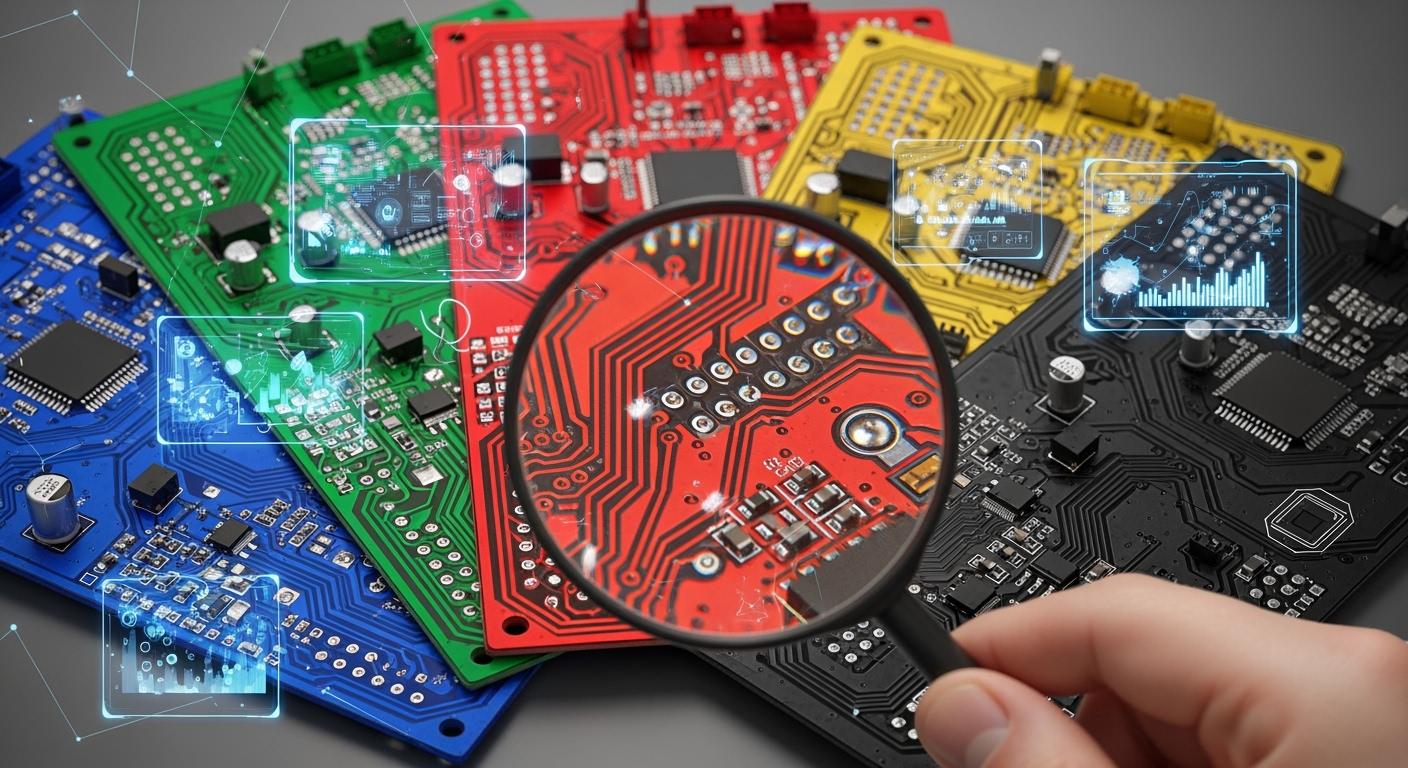
You notice solder mask colors each time you look at a pcb. These colors keep the copper traces safe on a printed circuit board. They also help you find problems when you check the board. Lighter colors make it simple to see solder mistakes. Darker colors might need more work to keep the board good. Some colors, like black, can make reflections or rough spots. Custom and special colors can make more waste because they are tough to use the same way each time. The color you pick changes how you make and check your pcb.
Key Takeaways
Solder mask colors keep copper traces safe on PCBs. They also help find problems when checking the board. Green is used most often because it costs less. It is also easy to see when looking for issues. Lighter colors like white and yellow make it easier to spot problems. Darker colors can hide mistakes. Picking the right solder mask color can make your PCB last longer. It can also help it work better. Think about what your project needs and your brand. This helps your PCB stand out when you choose a solder mask color.
Overview of Solder Mask Colors
What Are Solder Mask Colors?
When you look at a pcb, you always see solder mask colors. These colors cover the copper traces and keep them safe from dust, water, and scratches. The solder mask works like a shield to protect your board during use and when it is made. Manufacturers make these colors by mixing special chemicals and pigments with resins. For example, green solder mask uses a resin with a carboxyl group, photopolymer compounds, and a mix of blue and yellow colorants. Other colors use different pigments, like phthalocyanine green for green or carbon for black.
Here are the most common solder mask colors you might see:
Green: This is the most used color. It is clear and does not shine too much.
White: Looks clean but can hide traces, so checking is harder.
Yellow: Looks nice but does not show traces well.
Blue: Good for boards with lots of labels and looks nice.
Red: Bright and easy to see, with strong contrast.
Black: Used a lot for labeling, but can make shadows and tracing hard.
Component | Common Material |
|---|---|
Resin | Epoxy or Epoxy acrylate |
Hardener/Catalyst | Aromatic or Amine |
Filler | BaSO4, SiO2 |
Solvent | Organic solvent |
Pigment | Phthalocyanine green |
Why Color Matters in PCBA
Color is not just for looks. It is important for checking and using a pcb. The color you pick changes how well you can see copper traces and solder joints. Some colors, like green and red, help you find problems faster. Others, like black or white, can hide defects or make it hard to see heat damage.
Tip: Lighter colors show heat damage better. Darker colors can hide small problems.
The right color helps you find mistakes quickly and keeps your work good. If the color is even, it means the board cured right, so your product will last longer.
Main Solder Mask Colors and Their Features
Green Solder Mask
Green solder mask is on most pcb boards. It is the main color used in factories. Green is cheap and easy to find. You can see copper traces well with green. This helps you find problems fast. Green solder mask keeps water and dust away from your board. It stops oxidation, so your board lasts longer. Solder sticks well to green solder mask. This stops solder from joining traces by mistake. Green works well for crowded designs. It also gives insulation to lower electrical interference.
Green solder mask costs less than other colors. Factories make lots of green, so you save money.
Green solder mask advantages:
Easy to check for problems
Saves money for most projects
Protects against water and dust
Solder sticks well
Red Solder Mask
Red solder mask makes your pcb look bright and bold. You see red in aerospace, military, and medical boards. Red helps you see copper traces and labels clearly. You can find problems faster when you build or fix the board. Red makes your product stand out from green boards.
Benefit Type | Description |
|---|---|
Enhanced Inspection | Red shows copper traces and labels well. |
Improved Visibility | Red helps you see during building and fixing. |
Aesthetic Differentiation | Red gives a special look and helps your brand. |
Red solder mask advantages:
Looks special for branding
Easy to tell apart from other boards
Looks professional
Blue Solder Mask
Blue solder mask gives your pcb a clean and modern look. Labels are easy to read with blue. Blue makes mistakes easier to spot. Blue is used in cars and medical electronics. Blue costs more than green. Some factories may not have blue. In bright light, blue can look darker and harder to see.
Blue solder mask advantages:
Labels are easy to see
Good for crowded boards and dark places
Used in industries needing careful work
Blue solder mask disadvantages:
Costs more than green
Not always in stock
Harder to see in bright light
Black Solder Mask
Black solder mask makes your pcb look fancy and cool. You see black in electronics and aerospace products. Black absorbs more heat than light colors, but not much more. Black can be hard to use because it blocks UV light. This can make making boards harder. Black also makes it tough to see traces and problems.
Black solder mask is good for products where looks matter most.
Black solder mask advantages:
Looks stylish and modern
Used in fancy electronics
Black solder mask disadvantages:
Hard to check for problems
Harder to make in factories
Board gets a bit warmer
White Solder Mask
White solder mask is used in LED boards and sensor boards. You pick white for a clean look or to reflect light. White hides copper traces almost fully. It is hard to check for problems with white. White works well for bright LED boards, but you must check carefully.
White solder mask advantages:
Looks clean and bright
Good for LED and sensor boards
White solder mask disadvantages:
Hard to find problems
Traces are hard to see
Other Solder Mask Colors
You can pick other solder mask colors for special needs. Yellow, purple, and clear are used for special boards. Yellow is good for outdoor and solar boards. Purple helps your brand stand out. Clear is used for test boards and art boards. You need to plan if you want rare colors. Custom colors cost more and take longer to make. Factories need special dyes and extra steps.
Solder Mask Color | Best Suited For |
|---|---|
Green | General boards, factory use, cheap projects |
Red | Car boards, hot boards, easy to see |
Blue | Electronics, medical, looks nice |
Black | Fancy electronics, space, looks matter |
White | LED boards, sensors, medical |
Yellow | Outdoor, solar, safety boards |
Purple | Special boards, brand, rare uses |
Clear | Test boards, school, art boards |
Rare solder mask colors:
Need bigger orders
Cost more to make
Take longer to finish
Tip: Pick solder mask colors for your project, checking needs, and brand.
Comparing Solder Mask Colors
Visibility and Inspection
You want to find problems on your pcb quickly. It is important to see well when parts are close together. Solder mask colors change how easy it is to see traces and solder joints. White solder mask gives the best contrast for machines that check boards. White reflects and spreads light, so mistakes are easier to see. That is why white is used a lot in LED lighting. It makes lights brighter and helps machines check for quality. Green and red also help you see well and find mistakes fast. Black and blue make it harder to spot small problems, especially when parts are close.
White solder mask:
Shows the most contrast
Best for checking boards
Good for LED and quality checks
Silkscreen and Labeling Contrast
You need to read labels and silkscreen marks to know what parts are. The difference between the solder mask and silkscreen ink helps you avoid mistakes. Green solder mask works well with white silkscreen, so labels are easy to read. Red and blue also look good with white ink. Black solder mask makes white ink stand out, but it can be hard to see in dim light. White solder mask hides traces, so you need dark ink for labels. Yellow and special colors sometimes make labels hard to read.
Tip: Pick a solder mask color that makes your silkscreen ink easy to see.
Heat Resistance and Durability
You want your pcb to last a long time. How well it handles heat and lasts depends on the color and material. Black solder mask takes in more heat, so the board gets warmer. White sends heat away, so your pcb stays cooler. Green, red, and blue are in the middle for heat. How long the solder mask lasts depends on how good it is and how much stress it gets. Good materials keep your pcb safe for many years, sometimes more than ten. You get better results and longer life if you pick the right color for where you use your pcb.
Solder Mask Color | Heat Absorption | Heat Reflection |
|---|---|---|
Black | High | Low |
White | Low | High |
Green | Moderate | Moderate |
Red | Moderate | Moderate |
Blue | Moderate | Moderate |
Cost and Availability
You need to think about price and how easy it is to get colors. Green solder mask is the cheapest and always in stock. Yellow costs about 15-20% more than green. Special colors like purple can cost 25-50% more. Rare colors may need bigger orders and take longer to get. You save money and time with green, but you might pay more for special colors to match your brand or make your pcb work better.
Solder Mask Color | Cost Premium Relative to Green |
|---|---|
Green | 0% (baseline) |
Yellow | 15-20% additional cost |
Custom Colors | 25-50% additional cost |
Note: Pick solder mask colors based on your budget, how well you need to see, and how fast you need your pcb.
Choosing the Right Solder Mask Color
Application and Function
You should pick a solder mask color that matches your board’s use. Green is good for most electronics. It makes it easy to see problems. White is best for LED boards. It reflects light and keeps the board bright. Yellow is easy to see on test boards. It helps when you check the board often. If you want your board to look special, choose purple or red. These colors help you tell versions apart. They also make your product easy to spot. When picking a solder mask color, think about how you will use the board. Also, think about what features are most important.
Tip: Choose a color that fits your board’s job. Pick one that makes checking for problems easier.
Manufacturing and Inspection Needs
You want your board to be easy to check while making it. Some solder mask colors help you see traces and solder joints better. Yellow and white are very easy to see. They are good for boards that need lots of checks. Green is used most because it helps with fast checks and is easy to make. Black and blue can make it hard to see small problems. When you design your board, pick colors that help workers and machines find mistakes fast.
High-visibility colors for inspection:
Yellow: Good for tracing and checking lines.
White: Best contrast for quality checks.
Green: Works well for most factories.
Branding and Aesthetics
You can use solder mask colors to make your product stand out. Green is easy to check and is well known. Black looks fancy and is used for expensive devices. White is best for LED boards and clean looks. Purple and red give your board a special style. They help your brand stand out. Many companies use special colors so people notice their products. There are more color choices now. You can pick colors that match your brand and make your board easy to spot.
Color | Best For | Brand Impact |
|---|---|---|
Green | General electronics | Trusted, standard |
Black | High-end devices | Premium, modern |
White | LED, clean designs | Bright, fresh |
Red/Purple | Unique products | Bold, memorable |
Note: Pick a color that matches your brand. Make sure your board is easy to see.
When you choose a solder mask color, you make an important decision for your PCBA project. Each color has unique strengths and challenges.
Green works best for tight designs and gives you reliable results.
Red, blue, black, and white may look different but can cause manufacturing issues.
Not all colors are easy to get or store for long.
Always think about your board’s technical needs before style.
Pick a color that fits your project’s function and brand.
FAQ
What is the most common solder mask color?
You see green solder mask on most PCBs. Factories use green because it is cheap, easy to inspect, and always available. Green also helps you spot problems quickly.
Does solder mask color affect board performance?
Solder mask color does not change how your board works. The color only affects how you see traces, labels, and defects. You should pick a color that helps you inspect and use your board.
Can I use any color for my PCB?
You can choose many colors, like green, red, blue, black, or white. Some rare colors cost more and take longer to make. You should check with your factory before you pick a special color.
Why do some brands use special solder mask colors?
Brands use special colors to make their products stand out. Unique colors help you spot their boards and remember their brand. You can use color to show your style or match your company’s look.
See Also
Understanding Solder Paste Types and Component Variations in SMT
Key Considerations for SMT Assembly of Rigid-Flex PCBs
Choosing PCB Materials for Effective SMT Assembly Processes
Procurement Strategies for Electronic Components in PCBA Production
