PCBA Reliability keeps your engine safe and strong
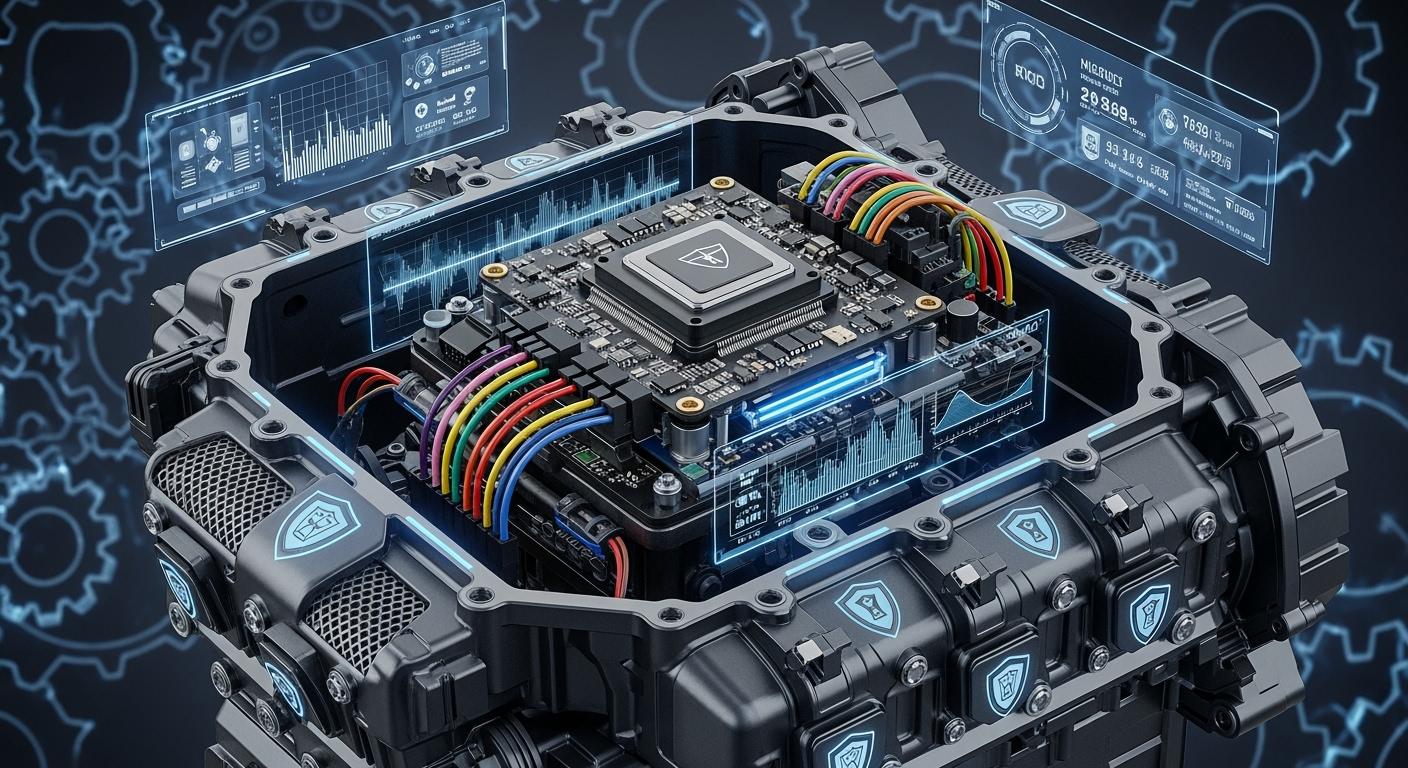
You count on your car’s engine to keep you safe and strong. PCBA reliability is important for your car’s electronics to work well. These parts must work in hard conditions. Under the hood, parts deal with high heat, strong shaking, and chemicals. Polyimide and ceramic-based materials help pcba handle very hot temperatures. They can handle up to 260°C. Metal-core pcbs take heat away from parts that can get damaged. Careful testing makes sure each pcba will last a long time. This helps you trust your engine’s performance.
Key Takeaways
PCBA reliability is very important for your car’s engine. It helps the engine work well and stay safe. It makes sure electronics can handle heat, shaking, and chemicals.
Picking the right materials, like polyimide and metal-core PCBs, makes PCBA last longer. These materials also help control heat in cars.
Regular tests, like thermal cycling and vibration tests, find weak spots in PCBA. This happens before problems show up when driving.
Using good steps in making and checking PCBA keeps quality high. It also lowers the chance of expensive engine problems.
Knowing the special problems in cars helps people make better designs. This makes PCBA last longer and work better.
Why PCBA Reliability Matters in Automotive Electronics
Engine Safety and Performance
You need your car’s engine to start every time. Automotive pcba helps your engine run safely and well. High-reliability automotive electronics pcba helps your engine control unit do hard jobs. These jobs are things like managing fuel, controlling emissions, and keeping the engine cool.
PCBA reliability lets your ECU work through heat, shaking, and chemicals.
Good automotive pcba design keeps your engine strong for a long time.
High-reliability automotive electronics pcba helps save fuel and lowers emissions.
With good thermal management, automotive pcba can handle heat and avoid harm.
Careful testing means automotive-grade pcba can last over 200,000 miles or 15 years.
You want your car to be safe and strong. High-reliability and automotive pcba assembly help make this happen. When you pick the right materials and follow strict rules, you get high reliability in tough conditions. This makes you feel sure about your car’s electronics and engine.
Risks of PCBA Failure
If automotive pcba fails, your car can have big problems. The table below shows what happens when automotive pcba production does not meet high-reliability standards:
Consequence | Description |
|---|---|
Reliability failures | Breakdowns from heat, shaking, or wetness. |
Inconsistent quality | Weak traceability makes finding problems hard. |
Slow qualification | IATF 16949 and approvals take longer. |
Supply chain risk | Poor response in global programs. |
Escalating costs | Rework and failures raise liability. |
Automotive electronics need strong pcba reliability to stop these risks. If you skip testing or use wrong materials, you may face breakdowns, higher costs, and slow production. Automotive pcba production and assembly must focus on high reliability and thermal performance. Good automotive pcb design uses high-temperature pcb and advanced thermal solutions to keep electronics safe. When you follow best practices, you protect your car’s performance and safety for a long time.
PCBA Reliability Challenges in Automotive Applications
Heat, Vibration, and Chemical Exposure
Designing automotive pcba for engines is hard. The engine area gets very hot. It shakes a lot and has strong chemicals. These things can hurt pcba and make it less reliable. You need to pick the right materials and designs. This keeps automotive pcba safe and your car working well.
Note: Under the hood, cars face much tougher conditions than home electronics. You must follow automotive rules and get certified. This makes sure pcba stays reliable in harsh places.
Here is a table showing main stresses and how they affect pcba reliability:
Environmental Stress | Effects on PCBA Reliability |
|---|---|
Temperature Extremes | Speeds up chemical reactions. Solder joints get tired. |
Parts crack and materials break down from heat. | |
Humidity Variations | Metal traces rust. Electrochemical migration happens. |
Organic materials swell up. | |
Mechanical Vibrations | Solder joints get tired. Leads break. |
Inside parts can get damaged. | |
Corrosive Atmospheres | PCB materials rust and break down. |
You need high-reliability automotive electronics pcba to handle these problems. Automotive pcba uses special materials like polyimide and ceramic substrates. These materials stand up to heat and moisture. Metal-core pcbs move heat away from sensitive parts. Underfills protect solder joints from shaking. Embedded components save space and make things work better.
High Temperatures: Automotive pcba must survive from -40°C to 150°C or more. You need high-temperature pcb materials to stop softening and delamination.
Moisture and Humidity: Rain and humidity cause rust. You must use moisture-resistant materials to stop electrical problems.
Vibration and Mechanical Stress: Shaking can crack pcba and break connections. Strong and flexible materials keep automotive pcba safe.
Here is a table comparing materials used in automotive pcba assembly:
Material Type | Thermal Conductivity (W/m·K) | Temperature Resistance (°C) | Vibration Resistance | Moisture Absorption Rate (%) |
|---|---|---|---|---|
High-Tg FR-4 Variants | 0.3-0.4 | 150-180 | Moderate | 0.1-0.2 |
Polyimide-Based | 0.2-0.5 | >250 | High | <0.2 |
Ceramic Substrates | 20-170 | Up to 1000 | Low | ~0 |
Metal-Core PCBs | 1-10 | <150 | Moderate | N/A |
PTFE Laminates | 0.25 | Up to 260 | Low | ~0 |
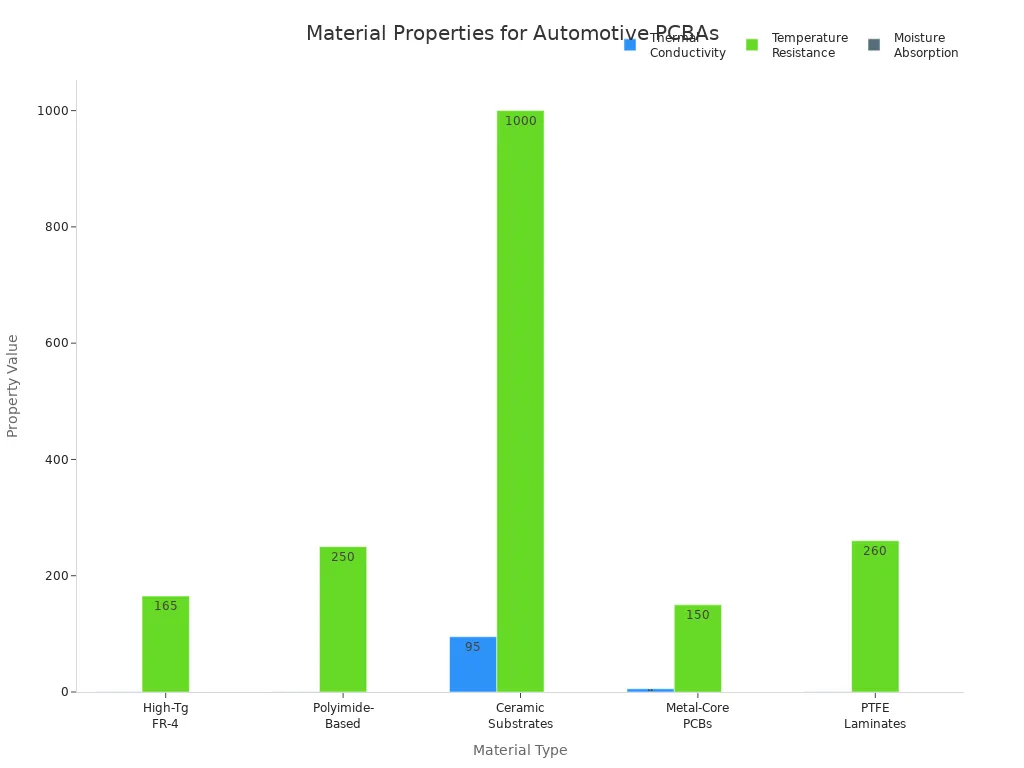
You must pick materials that fit automotive needs. Polyimide and ceramic substrates resist heat and moisture. Metal-core pcbs help with heat. Underfills and embedded parts help with shaking and stress. You need high-reliability automotive electronics pcba to meet car standards.
Temperature Cycling and Mechanical Stress
Automotive pcba faces fast temperature changes every day. When you start your car, the engine heats up quickly. When you turn it off, it cools down fast. This makes materials expand and shrink. Over time, stress builds up and can cause failure.
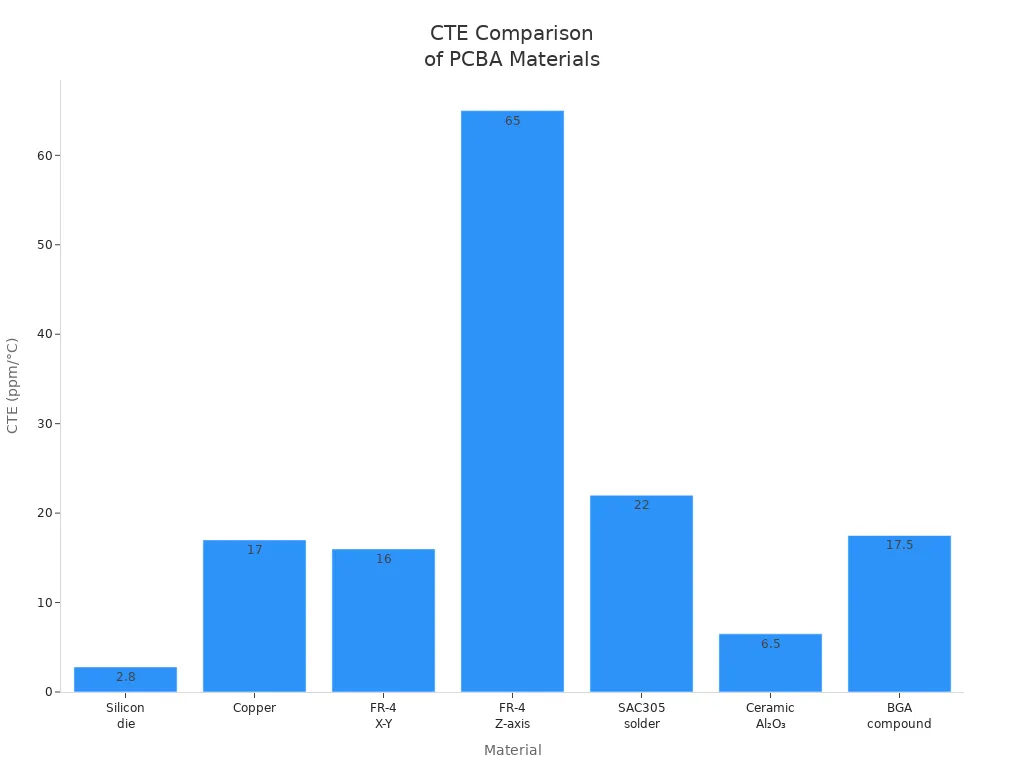
Here is a table showing the coefficient of thermal expansion (CTE) for common automotive pcba materials:
Material | CTE (ppm/°C) |
|---|---|
Silicon die | 2.6-3.0 |
Copper | 17 |
FR-4 substrate (X-Y) | 14-18 |
FR-4 substrate (Z-axis) | 60-70 |
SAC305 solder | 21-23 |
Ceramic (Al₂O₃) | 6-7 |
BGA molding compound | 15-20 |
Expansion and shrinking causes stress.
Solder cracks form over time.
Vias get weak and lose strength.
Electrical failure can happen.
You need solutions like underfills to fill the gap between silicon and pcb materials. Underfills are epoxy resins with particles. They absorb stress and stop solder cracks. Polyimide helps with isolation and heat control. Embedded parts save space and make assembly easier. Metal-core pcbs and ceramic substrates resist temperature changes and keep automotive pcba strong.
Tip: You must use high-reliability materials and smart designs to protect automotive pcba from temperature changes and stress. Testing helps find weak spots and makes reliability better.
Automotive pcba production must focus on reliability and performance. You need advanced materials, smart automotive pcb design, and strict testing to meet car standards. High-reliability automotive electronics pcba keeps your engine safe and strong for years.
Automotive PCBA Design and Materials
Material Selection for Reliability
You must pick the right materials for automotive pcba. This keeps your car safe and strong. The engine area gets hot, shakes, and faces chemicals. You need materials that can handle these tough conditions. Polyimide, MCPCB, underfills, and embedded components help make pcba reliable.
Polyimide can handle high heat and moisture. It works well in high-temperature pcb spots.
MCPCB moves heat away from sensitive parts. This helps keep electronics cool.
Underfills protect solder joints from vibration and stress. They fill gaps and stop cracks.
Embedded components save space and make pcba more reliable.
When you choose materials, look for:
High glass transition temperature for thermal endurance.
Low moisture absorption to stop corrosion.
Strong mechanical strength for areas with lots of shaking.
Copper foil types that give strong peel strength.
Here is a table showing what to check when picking materials for automotive pcba:
Criteria | Description |
|---|---|
Electrical performance | Dielectric constant (Dk) and dissipation factor (Df) affect signal quality. |
Thermal stability | Materials must handle assembly and working temperatures. |
Mechanical strength | Supports heavy or high-density parts. |
Cost considerations | High-performance substrates cost more but are needed for advanced uses. |
Automotive pcba must survive big temperature changes and rough roads. You need high-reliability materials to keep everything working. For example, you can use silver-containing solder for better thermal fatigue resistance. You also need strict testing, like X-ray inspection of each solder joint, to make sure every connection is strong.
You can use different boards for different automotive needs:
FR-4 multilayer boards for control and infotainment systems.
High-TG and high-temperature materials for engine and powertrain areas.
Heavy-copper pcbs for high-current electric vehicles.
HDI pcbs for radar and camera modules.
Rigid-flex pcbs for tight spaces.
You can use thinner substrates to make cars lighter. Special copper foil thickness and heat holes help with thermal management. Solder mask and silkscreen protect traces from moisture and chemicals.
Manufacturing Practices for Automotive PCBA
You want your automotive pcba to last for years. Good manufacturing practices make this happen. You must focus on quality at every step.
Precision etching and milling create flexible areas without hurting traces.
Sequential lamination builds complex multilayer boards for advanced uses.
Uniform barrel wall thickness in vias helps boards survive temperature cycling.
Solder mask and silkscreen protect the board from the environment.
Testing and quality control are very important. Each automotive pcba goes through vibration, thermal, and electrical testing. Automated optical inspection (AOI) and X-ray testing check for hidden defects. Early detection of problems means fewer failures and better reliability.
A good automotive pcba supplier does more than sell products. They give you trust. They pay attention to every detail and use strict quality control. For example, one manufacturer found micro-cracks in a battery management system. They changed the circuit layout and used better solder. This stopped the cracks and made reliability better.
You must pick suppliers who know automotive quality. They need to understand high signal integrity, lamination alignment, and copper plating. They must meet automotive-grade standards and pass certification. Good suppliers help you meet rules and keep your automotive pcba assembly strong.
Here are some best practices for automotive pcba production:
Use high-reliability materials and advanced automotive pcb design.
Check lamination alignment and copper thickness for high-current boards.
Test every board for vibration, thermal, and electrical performance.
Work with suppliers who focus on quality and certification.
Quality control is essential. Even small defects can cause big problems. Early testing and inspection help you find and fix issues before they reach the road. This keeps your automotive electronics safe and reliable.
Automotive pcba production needs high reliability, strong materials, and strict testing. When you follow these steps, you protect your engine and keep your car running for years.
Testing and Best Practices for Automotive Applications
Reliability Testing Methods
You need to test automotive pcba very carefully. These parts face tough conditions in cars. You must check how they work when stressed. Testing helps you find weak spots before making lots of them. There are many ways to test automotive pcba assembly:
Accelerated life testing acts like many years pass quickly.
Thermal cycling heats and cools pcba again and again. This finds weak solder joints and material problems.
Thermal shock testing checks if pcba can handle fast temperature changes.
Vibration and shock testing shakes pcba like a real car ride.
Humidity and corrosion testing shows what happens when electronics get wet.
Electrical stress testing checks how pcba handles sudden voltage jumps.
Thermal cycle testing uses the IPC-9701 standard. This lets you compare results from different batches. Mechanical vibration testing shows if solder joints or traces break. These tests help you guess how long pcba will last and how it handles heat. You can use tables to keep track of common failures:
Failure Mode | Description |
|---|---|
Thermal Stress and Overheating | High heat makes solder joints tired and damages parts. |
Vibration and Mechanical Stress | Shaking cracks solder joints and breaks traces. |
Electrical Overstress (EOS) | Voltage spikes hurt sensitive electronics. |
Corrosion and Environmental Damage | Wetness rusts traces and causes signal loss. |
Manufacturing Defects | Bad soldering and wrong part placement cause failures. |
Note: Testing is very important for automotive electronics. You must test every automotive pcba to meet rules and get certified.
Best Practices for Engineers and Manufacturers
You can make automotive pcba more reliable by following good steps. Focus on materials, making, and testing. Here are some tips:
Pick strong laminates and special solder for hot areas.
Use computer models to find stress points in design.
Add coatings to protect pcba from water and chemicals.
Use machines for careful assembly of automotive pcba.
Control soldering to make strong electrical connections.
Choose materials that do not soak up water and move heat well.
Test every pcba for shaking, heat, and electrical problems.
Work with suppliers who know about automotive pcba and certification.
Automotive electronics must work well in hard places. You need strict quality checks and smart testing. Making automotive pcba needs long support and good tracking. You must use careful steps to lower mistakes and make sure pcba lasts.
Tip: Always check for rules and certification. This helps you meet car standards and keeps your automotive pcba strong.
You can help with heat by using materials that move heat away fast. You must test for high heat and long life. When you follow these tips, you keep automotive pcba safe and working well for a long time.
You make your engine safe and strong with reliable PCBA steps. These steps protect the engine control unit from heat and shaking. They also help with other tough conditions.
Advanced materials like silicon carbide and gallium nitride help electronics work better. They also make them last longer.
Careful making and testing lowers the chance of things breaking.
Using best practices, like MCPCB technology, gives better heat control. It also helps your car last longer.
Keep focusing on quality to build trust and keep your car working well.
FAQ
What makes automotive PCBA different from regular PCBA?
Automotive PCBA must handle heat, shaking, and chemicals. These boards use special materials like polyimide and MCPCB. They also go through very strict tests. Regular PCBA does not face such hard conditions.
How do you test PCBA reliability for cars?
You test with heat, shaking, and water checks. These tests show if the PCBA can survive in a real car. You find weak spots before putting PCBA in your engine.
Why do you need underfills in automotive PCBA?
Underfills keep solder joints safe from shaking and stress. They fill spaces under chips. This keeps connections strong and helps PCBA last longer in your car.
Can you use regular solder for automotive PCBA?
You should not use regular solder. Automotive PCBA needs special solder that can handle heat and shaking. This helps stop cracks and keeps your electronics safe.
See Also
Essential Strategies for Enhancing PCBA Durability Over Time
Ways PCBA Contract Manufacturing Enhances Your Operational Productivity
Understanding PCBA: Its Definition and Key Components
Ensuring High-Quality Production Through Advanced Turnkey PCBA Facilities
Comprehensive PCBA Services: From Production to Final Testing
