Best Practices for Corrosion Resistant Marine Electronics PCBA in 2026
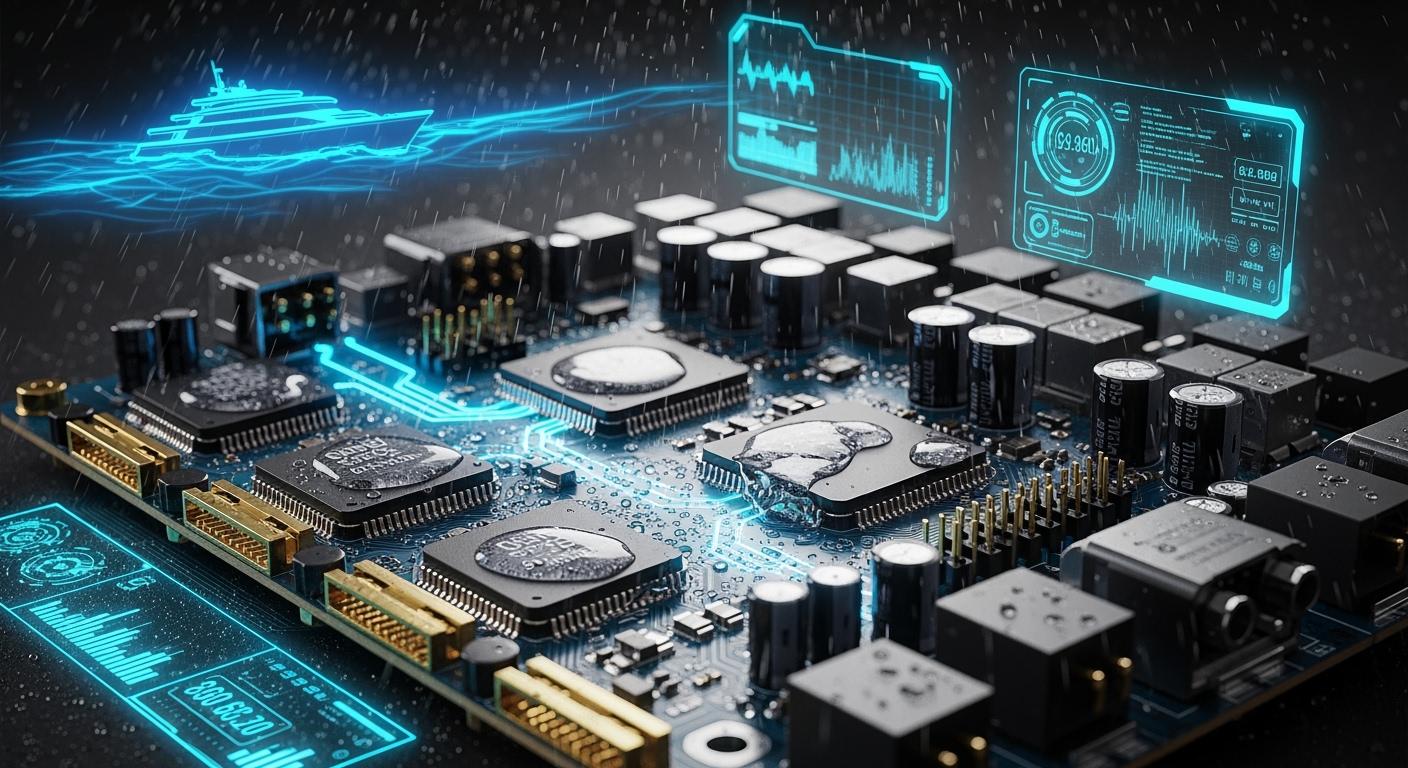
You must keep Marine Electronics PCBA safe from the tough sea environment. Using better materials helps make things really waterproof. Laminates with high glass transition temperatures fight off salt and water. Stronger copper plating and special surface finishes help stop corrosion. Conformal coatings, like ones from DOWSIL and Loctite, make a waterproof shield. This shield protects your electronics from salt, wet air, and chemicals. If you use these materials and coatings early, your devices will last longer and work better at sea.
Key Takeaways
Use strong materials like high-Tg FR-4 and special finishes to make marine electronics last longer. - Add conformal coatings, potting, or nano-coatings to make a waterproof layer that keeps out salt and water. - Pick parts with high IP ratings so they can handle tough marine places and stop water from getting in. - Plan PCBs to control moisture by using silica gel packets and not making sharp turns in traces to lower stress and corrosion risk. - Test your marine electronics often with salt fog and water tests to check if they are waterproof and resist corrosion.
Why Corrosion Resistance Matters in Marine Electronics PCBA
Marine Environment Challenges
Marine electronics pcba face many problems at sea. Saltwater, moisture, and changing temperatures hurt the pcb every day. Saltwater has lots of chloride ions that attack metal parts. These ions make metal surfaces break down faster. When moisture, salt, and oxygen mix, oxidation happens easily. Salt crystals from dried seawater get stuck in small spaces and joints. This causes certain spots to corrode more. You can see galvanic corrosion, pitting, crevice corrosion, and stress corrosion cracking. High humidity and heat make these issues worse. Sodium chloride can get inside through vents and connector gaps. Vibration and temperature changes also harm solder joints and traces.
Effects of Corrosion on PCB Reliability
Corrosion makes marine electronics less reliable. Copper traces and solder joints can break down from electrochemical damage. This damage can cause circuits to fail and not last long. Using bad materials can lead to layers peeling apart and insulation failing. These problems hurt signal quality and safety. Corrosion raises resistance and makes connections work only sometimes. It can also break electrical paths. Electrochemical migration can make tiny wires that connect conductors by accident. You should pick good materials like high-Tg FR-4 and low-moisture composites. This helps protect your waterproof pcb and electronics.
Tip: Use strong coatings and waterproofing to keep marine electronics safe from water and salt.
Industry Standards and IP Ratings
You must follow rules to keep marine electronics waterproof. The main IP ratings for waterproof pcb are:
IP Rating | Description |
|---|---|
IP66 | Stops damage from strong water jets |
IP67 | Can go under water up to 1 meter for 30 minutes |
IP68 | Can stay underwater for a long time |
Manufacturers use stainless steel for connectors because it does not rust in seawater. Galvanization can protect metal but costs more. Hard plastics are another choice for connectors. They resist corrosion and last a long time. Meeting these rules helps marine electronics work well and stay reliable.
Material Choices for Marine Electronics PCBA
Corrosion-Resistant Substrates and Finishes
It is important to pick the right substrate and surface finish for marine electronics pcba. These materials help stop corrosion and keep out water. The table below lists common substrate types and their uses:
Material Type | Key Properties | Applications |
|---|---|---|
FR 4 Epoxy Glass | Low cost, absorbs some water, needs extra protection | Control circuits under 130°C |
High Tg FR 4 | Handles heat better, easy to make | General PCB uses |
Polyimide Films | High Tg (over 250°C), takes in little water, bends well | Curved cases, things that bend a lot |
PTFE Composites | Low dielectric, almost no water absorption | Microwave radar, fast data |
Nanocrystalline nickel can make things more resistant to corrosion. Cobalt-tungsten alloy is another choice if you do not want nickel. These materials help marine electronics work better and last longer.
Waterproof PCB Coatings and Treatments
You need to protect your waterproof pcb from water and wet air. Conformal coating, nano-coating, and potting or encapsulation are good ways to do this. The table below shows how these methods compare:
Factor | Conformal Coating | Potting | Nano Coating |
|---|---|---|---|
Waterproof Effectiveness | Good (IP64–IP67); keeps out water and dust | Great (IP68+); fully seals from water and shaking | Very Good (IP67–IP68); stops water at a tiny level |
Durability | Medium; fights chemicals and dust but not hard hits | Very strong; handles shaking, hits, and strong chemicals | Low–Medium; keeps out water but not scratches |
Cost | Low–Medium (materials and work) | High (lots of resin and time to cure) | Medium–High (special materials) |
Application Method | Spray, dip, brush, or vapor | Pour or cast (covers everything) | Dip or vapor |
Reworkability | Easy (can be removed with tools or chemicals) | Hard or not possible (stays on forever) | Not easy (depends on type) |
Typical IP Rating | IP64–IP67 | IP68–IP69K | IP67–IP68 |
Best For | Most electronics, easy to fix | Tough places, important gear | Light, small, or detailed devices |
Aculon NanoProof Series is a good waterproof coating. These coatings meet marine rules like IPX7 and can handle being in sweat for a long time. Conformal coating is best for light electronics and when you need to fix things. Potting and encapsulation give strong protection for tough marine electronics. Nano-coating gives high-level water safety for small devices.
Tip: Always check if your coating and waterproofing have marine certifications.
Component Selection for Harsh Conditions
You need to pick parts that can survive in the sea. Look for parts with high IP ratings to keep out water:
Rating | Protection Level |
|---|---|
IP65 | Keeps out splashes and low-pressure water jets |
IP66 | Keeps out strong water jets |
IP67 | Can go under water up to 1 meter for 30 minutes |
IP68 | Can stay under water for a long time |
Polyimide substrates fight corrosion and water better than regular FR4. These materials help your electronics last longer and stay reliable. Use parts that can handle wet air, saltwater, and temperature changes. Special coatings and corrosion-resistant materials mean fewer repairs and better performance. Testing in tough conditions makes sure your marine electronics work well.
Waterproof PCB Design & Protection Strategies
PCB Layout for Moisture Control
You can keep moisture away by making smart layout choices. Start by putting a conformal coating on your pcb. This coating acts like a shield. It stops moisture, salt, and dust from getting in. Make sure the coating is solid and dry for best results. You can also use silica gel packets inside the box. These packets soak up water from the air. This lowers the chance of water damage.
Here are some good layout tips to fight moisture and corrosion:
Use a conformal coating like acrylic, urethane, or silicone.
Put silica gel packets in the box for extra moisture safety.
Make the box with a high IP rating to block water and dust.
Do not use sharp 90-degree bends in traces. Use 45-degree angles or round corners to spread stress.
Pick surface platings like ENIG or Ni-Au to protect traces from corrosion.
Use strong substrate materials that resist chemicals and seal well.
Design Feature | Description |
|---|---|
Surface Platings | ENIG, ENIPEG, and Ni-Au slow corrosion on exposed traces. |
Conformal Coating | Acrylic, urethane, or silicone coatings block moisture and hazards. |
Strong Materials | Chemical-resistant and well-sealed materials lower corrosion risk. |
Salt in the air can get into open surfaces and cause problems. It can make tiny paths grow between conductors. High humidity makes electrolytic corrosion worse, especially on copper. Mechanical stress from the sea can make these issues bigger. Always check your waterproof pcb for weak spots and fix them early.
Tip: Try nano coatings for extra moisture safety on small or tricky electronics.
Enclosure and Sealing Techniques
You need a strong box to keep your marine electronics pcba safe. Pick materials that resist chemicals, UV rays, and stay strong. Heavy-duty plastic boxes work well for marine use. Powder-coated aluminum boxes also give great protection. Stainless steel and high-grade plastics help fight corrosion.
Seal all seams and openings with gaskets, marine silicone, or epoxy. This step blocks water and dust. Use O-rings and gaskets around connectors for a tight seal. Waterproof connectors have seals and locks to keep out moisture. Potting covers connector areas with thick resin. This makes a waterproof barrier. Encapsulation coats wires and parts to make a strong shield.
Here are some top ways to seal and protect:
Seal electrical connections with marine silicone or epoxy.
Use encapsulation to cover wires and parts.
Put heat shrink tubing around wires to block moisture.
Wrap marine electrical tape for extra safety.
Use potting for connectors and sensitive spots.
Add silicon O-rings at cable entry points.
Install waterproof cable glands or thread locks.
Pick aluminum for boxes to help with heat and strength.
Sealing seams and openings is very important. Even a tiny gap can let in moisture and hurt reliability. Always check that your box meets at least IP65 standards for marine use.
Vibration and Thermal Stress Considerations
Marine electronics face strong shaking and big temperature changes. These stresses can crack solder joints and damage parts. You can protect your electronics by using coatings that stay flexible in hot and cold. A good coating also gives support, helping your assembly survive shaking and heat changes.
Use these design tips to lower vibration and heat stress:
Do not use sharp 90-degree bends in traces. Use 45-degree angles or round corners.
Mount parts with wide trace fans to spread out load.
Add strain relief sections for connectors.
Make traces wider and thicker for better heat control.
Use thermal pads for through-hole parts.
Add thermal vias to move heat away from sensitive spots.
Potting and conformal coating both help stop moisture and dirt. These methods also make the assembly stronger. This lowers the risk of solder joint cracks and part damage. Coatings that stay flexible in all temperatures give better thermal protection. This helps your marine electronics keep working in tough conditions.
Note: Always test your protection methods to see if they work against shaking and temperature swings.
You can make your marine electronics pcba work better and last longer by using smart layout, strong boxes, and flexible coatings. These steps help your waterproof pcb survive in harsh marine environments.
Corrosion Testing and Validation for Marine Electronics PCBA
Salt Fog and Accelerated Life Testing
You need to test marine electronics pcba for tough sea conditions. Salt fog testing checks if your pcb can fight corrosion. You use a chamber with salt water and keep it at 35°C. The test uses 5% salt and can last over 1000 hours. This long test shows if your waterproof pcb will survive at sea. You look for rust, blisters, and creepage on the coating. These signs show if your protection works.
Testing Method | Standards Used | Description |
|---|---|---|
Salt Fog Testing | ASTM B117, ISO 9227, MIL-STD 810 | Uses 5% NaCl solution to check corrosion resistance. |
Accelerated Life Testing | ASTM G85, ASTM D2247 | Simulates long-term exposure to harsh conditions quickly. |
Tip: Always check the coating, potting, and encapsulation after testing. Make sure there are no weak spots.
IP Rating Verification for Waterproof PCBs
You must prove your electronics are waterproof. IP rating tests show how well your device keeps out water and dust. For marine use, you need at least IP65 or higher. You combine ratings like IPX6 and IPX7 for jet and immersion safety. Submerge your device slowly to let out trapped air. After the test, check your pcb right away and again after 24 hours for moisture. Always write down your test steps for quality control.
Vent the box to balance pressure during immersion.
Test with water jets and submersion for full protection.
IPX7 is not “waterproof”—it means safe for short dips, not long use.
Field Simulation and Quality Assurance
You must use real-world tests to check marine electronics. These tests include thermal cycling, burn-in, vibration, and humidity exposure. The salt spray test checks corrosion resistance in salty, humid air. You use a salt spray chamber to speed up the test. This shows how well your coating and substrate protect your pcb. Quality assurance means you repeat these tests and follow standards like ISO 9001 and MIL-STD-810.
Testing Method | Description |
|---|---|
Salt spray and corrosion exposure | Checks how well your pcb resists marine corrosion. |
Temperature cycling and thermal shock | Tests performance in hot and cold conditions. |
High-humidity validation | Makes sure your pcb works in wet air. |
Vibration and mechanical stress testing | Checks durability in rough marine use. |
Note: Good protection, like conformal coating, nano coating, and potting, keeps electronics safe from moisture and corrosion. Always test marine electronics before you trust them at sea.
You can keep marine electronics PCBA safe with special materials and coatings. Silicone, acrylic, and epoxy coatings help stop water and corrosion. Tests like salt fog and immersion show if your devices can handle tough places. New materials like high-Tg PCB and finishes such as ENIG make things last longer. The table below shows important ways to protect your devices:
Technique | Benefit |
|---|---|
Conformal Coating | Blocks water and corrosion |
Potting Technology | Keeps out moisture |
Surface Finishes (ENIG) | Adds more corrosion safety |
Keep learning about new rules and tools to help your devices last a long time.
FAQ
What makes marine electronics pcba different from regular pcb?
Marine electronics pcba need more protection than regular pcb. The sea has salt, water, and lots of shaking. You must use special materials and coatings to keep your pcb safe.
How does coating help protect pcb in marine environments?
A coating covers your pcb to block water and salt. This layer stops corrosion and keeps your electronics safe. The right coating helps your device last longer and work well.
Which protection technologies work best for marine electronics?
Conformal coating, nano-coating, and potting work really well. These methods protect your pcb from water and salt. They help your marine electronics stay strong in tough places.
Why is durability important for marine pcb?
Durability helps your pcb survive in the sea. Saltwater, wet air, and heat changes can hurt your pcb. Strong materials and coatings make your electronics last longer and work better.
How do you test pcb for marine performance?
You test your pcb with salt fog, shaking, and water tests. These tests show if your electronics can handle hard conditions. You look for corrosion and check if your protection works.
See Also
Essential Processing Needs for Medical Equipment PCBA
Crucial Strategies to Enhance PCBA Durability Over Time
Sourcing Electronic Parts for Efficient PCBA Production
Primary Materials Required for Effective PCBA Manufacturing
Top SMT Assembly Techniques for Superior Electronic Production
