Component Obsolescence Management in Long-Term PCBA Production
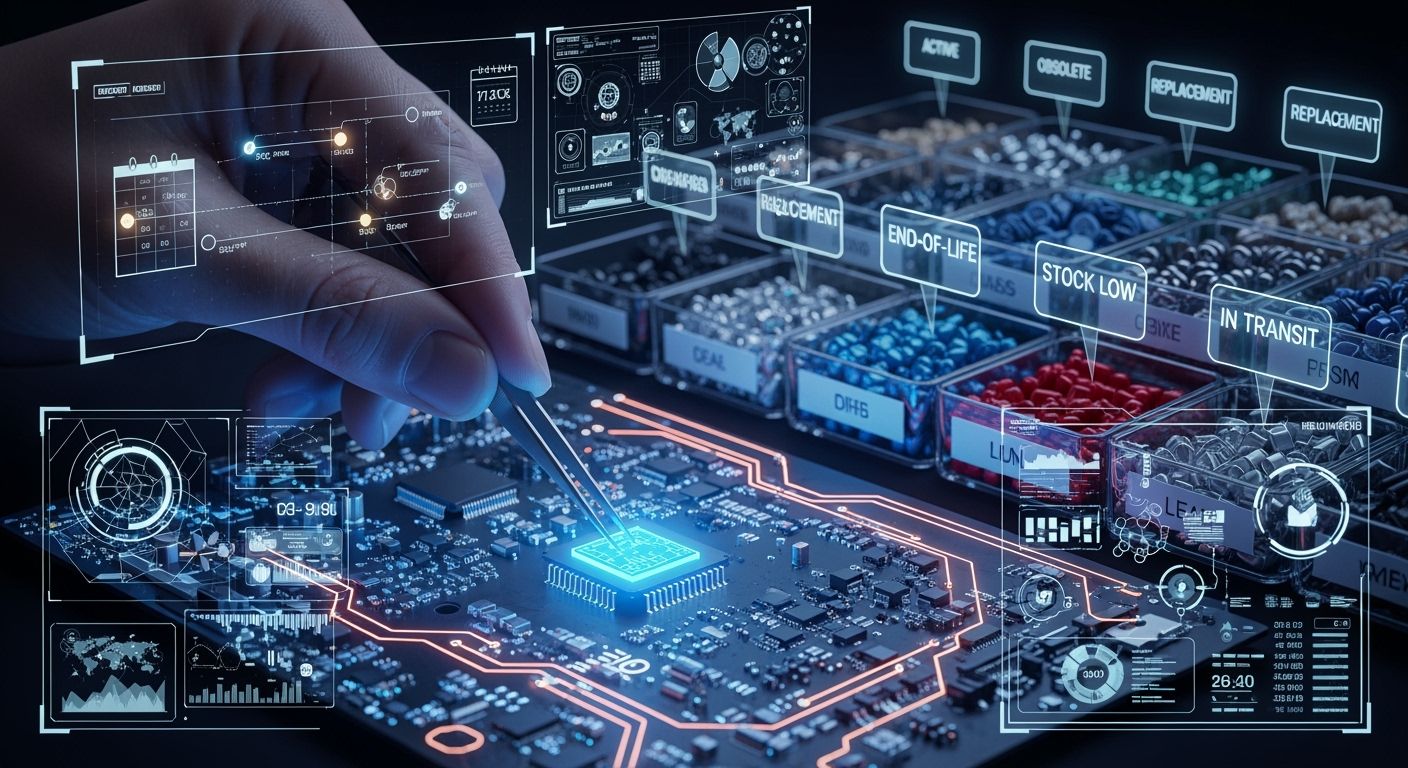
You have many problems in long-term PCBA production. Component obsolescence management is very important. It helps your manufacturing line work well. If you do not manage obsolescence, your supply chain can stop. Costs can go up if you need new suppliers or must change your boards. You may face delays when you look for old parts or change your process. If you use lifecycle monitoring, plan ahead, and choose suppliers wisely, you lower these risks and keep your production quality safe.
Key Takeaways
Handle component obsolescence so your production line works well and you do not have expensive delays.
Check your Bill of Materials often to find possible obsolescence problems before they stop your supply chain.
Buy parts in large amounts early to save money and make sure you have enough parts when you need them.
Pick trusted suppliers and use different sources to lower the chance of fake parts and keep good quality.
Learn about component lifecycles and industry changes so you can manage risks early and keep your product quality high.
Understanding Component Obsolescence and Lifecycle
What Is Component Obsolescence?
Component obsolescence happens when parts are no longer sold or supported. This can happen for different reasons. Sometimes, people want new things. Rules can also change. New technology can replace old parts. Companies might stop making some products.
Technology changes fast
Products get updated often
Some parts are made to last a short time
This is common in the industry. Many companies now make things like smartphones. They build parts that do not last long. Most new integrated circuits last less than two years. You need to know about these changes to keep your production safe.
Electronic Component Lifecycle Stages
You should know the lifecycle stages for each part you use. This helps you plan for managing parts. The main stages are:
Stage | Description |
|---|---|
Introduction | The part is sold for the first time. |
Growth | The part gets more popular and sells more. |
Maturity | The part is used a lot and sales stay steady. |
Decline | The part is not wanted as much and becomes obsolete. |
You need to check the lifecycle status for important parts. This helps you fix problems before they start.
EOL and Obsolete Parts: Key Risks
When there are no PCNs for discontinued parts, engineering teams face risks. These risks can stop production and cause big problems. Sudden Design Disruptions: Engineers use parts they think will be around for years. If parts go away without warning, designs may not work anymore.
You might get EOL notices for important parts two times a month. If you do not manage the lifecycle of parts, you could stop production or need expensive changes. You should use risk checks and watch the lifecycle to keep things running and avoid downtime.
Component Obsolescence Management Strategies
Lifecycle Monitoring and Forecasting
You should watch each part’s lifecycle closely. This means you check when parts might stop being made. Obsolescence management software can send you alerts about end-of-life parts. AI tools help you guess when you will need new parts. These tools let you see your supply chain better and plan ahead.
An integrated product lifecycle management solution links engineering and business. It gives you a full system to handle electronic obsolescence from start to finish.
You need to keep an eye on product lifecycles. This helps you know when to upgrade or swap out parts. Predictive tools help you spot risks early. You can use old data and analytics to figure out Mean Time to Obsolescence. Watching supplier plans and industry news helps you forecast better.
Key Point | Description |
|---|---|
Obsolescence Rate | Over 70% of electronic parts become obsolete before use. |
Forecasting Models | Most models help predict when parts will become obsolete. |
Checking risks often helps you make smart choices. You need to see your supply chain clearly to catch problems early. Watching lifecycles gives you the info you need to keep your line safe.
Advance Planning and Bulk Purchasing
Planning ahead is very important for managing obsolescence. You should buy parts before they become hard to find. Buying in bulk saves money and keeps your supply chain steady. You can get better deals from suppliers. This makes your assembly cheaper.
Advantage | Description |
|---|---|
Cost Savings | Buying in bulk helps you get better prices. |
Cost-Effectiveness | Savings can be passed to customers, making assembly cheaper. |
Supply Chain Management | Using one fabrication house helps manage your supply chain. |
Inventory Management | You can control inventory and make sure you have enough parts. |
Buying in bulk also helps you manage your stock. You lower the risk of running out of parts. You are safe from sudden price jumps. You get discounts for buying more and build good supplier ties. You know where your parts come from, so your supply chain is clear.
New parts come out often, making old ones obsolete.
Buying in bulk means you have what you need for PCB assembly.
You get steady prices and avoid waiting for parts.
You should use new ideas when you plan. This helps you find the best way for your needs. Planning ahead lets you control your stock and costs.
Strategic Sourcing and Counterfeit Prevention
Strategic sourcing means buying from trusted suppliers. This helps you see your supply chain and lowers the chance of fake parts. You should check packaging for mistakes and look for damaged parts. Some counterfeiters change how parts look to trick you.
Ask suppliers how they handle fake parts.
Ask where they get their parts to avoid risky places.
Check how they manage their stock to stop fakes.
Buy in bulk from trusted sources and store parts safely. Teach your team how to spot fake parts. Use tests to check if parts are real.
Seeing your supply chain helps stop fake parts. You should use new ideas to make your sourcing better. This keeps your production line safe and your products good.
Tip: Always ask for paperwork and proof from your suppliers. This helps you make sure your parts are real.
You need to use electronic obsolescence and lifecycle management to keep your supply chain strong. Being proactive gives you tools to handle risks and keep quality high. You can use new ideas to build a supply chain that meets your goals.
Managing Obsolescence: Practical Steps
BOM Management and Regular Audits
You need to take care of your Bill of Materials (BOM). This helps lower the risk of obsolescence. Checking your BOM often helps you find problems early. You should not wait until something goes wrong. Instead, look at your BOM on a regular schedule and make updates when needed.
Checking your BOM and doing audits helps you not miss important parts that could become obsolete.
Being proactive helps you avoid compliance problems and lets you keep watching for risks.
A Parts Obsolescence Monitoring Program helps you watch parts that might go away soon and tells you when they could be gone.
This program also keeps track of your product’s life cycles.
You should make a plan for when to review your BOM. Software tools can help you watch your parts and send alerts if something changes. Keeping your BOM current protects your production and helps your work keep going.
Tip: Make checking your BOM a normal part of your work. This habit helps you find obsolescence problems early and keeps your supply chain strong.
Supplier Diversification and Alternative Sourcing
You should not get all your parts from just one supplier. Using more than one supplier makes your supply chain stronger and lowers the risk from obsolescence. When you buy parts from different suppliers, you are less likely to run out or lose parts suddenly. This way, your production can keep going and not stop.
You should also think about other ways to get parts if some become obsolete. When you need a new part, you have to check some important things:
Criteria | Description |
|---|---|
Equivalence Verification | Make sure the new part is the same shape, size, and works the same as the old one. |
Approval Authority | Decide who can say yes to new parts. The OEM should be in charge of the Approved Vendor List (AVL). |
Verification and Records | Keep notes about all approvals and changes. This helps with audits and shows you follow the rules. |
You should always write down your choices and keep good records. This helps you show you follow the rules and keeps your work going during audits.
Last-Time Buys and Inventory Planning
You need to act fast when you get end-of-life (EOL) or last time to buy (LTTB) notices. Having a clear plan helps you deal with these times and stops last-minute changes.
Make a plan to watch for EOL and LTTB notices.
Check your BOM to handle parts before they reach EOL or LTTB.
Find out about notices early so you do not have to make expensive changes.
Good inventory planning helps you use last-time buys well. You should buy enough materials to keep making your product until it is done. This helps you avoid stopping work and keeps your line moving.
When you plan your inventory well, you fix obsolescence risks and keep your production steady. You can meet your delivery promises and keep your customers happy.
Note: Acting early on last-time buys and planning your inventory well helps you keep working and avoid stopping production.
Compliance, Sustainability, and Competitive Advantage
Regulatory and Industry Standards
You have to follow many rules when picking parts for PCBA production. These rules keep your products safe and legal. Some rules are very important for your choices:
The Restriction of Hazardous Substances (RoHS) rule tells you which parts you can use and how to build your boards.
Industry standards help you pick safe and approved materials.
Rules like RoHS are a big part of your plan for buying parts. You need to choose parts that follow these rules from the start. This stops you from having to redesign things later. It also keeps your products legal for their whole life. In fields like aerospace and medical, you must be extra careful to follow the rules. You should work with suppliers and keep enough parts in stock to avoid sudden changes. RoHS also means you may need to use lead-free solder, which can change how your boards work. You must check that all your parts and steps fit these new rules.
Sustainability and Environmental Impact
Sustainability is now very important in PCBA production. You need to think about how your choices affect the earth. When parts become obsolete, it can cost more and make products last less time. This leads to more electronic waste. If you replace parts often, you make more waste and use more resources. Using old or obsolete parts can also make your products worse and create even more waste.
Obsolete parts make production cost more and shorten system life, causing more waste.
More electronic waste comes from changing parts often and short product lives.
You need to manage obsolescence to help the environment.
Using old parts can lower quality and make more waste.
You can help the planet by using circular economy ideas. Try to reuse and recycle materials when you can. Design your boards so you can take them apart and save good parts. Modular designs let you swap out parts without throwing away the whole board. This helps you make less waste and lets your products last longer. Companies like Fairphone and Framework use modular designs to help the planet. When you focus on sustainability, you help the earth and make your business stronger.
Competitive Benefits of Effective Obsolescence Management
Managing obsolescence well gives you a big advantage. You can spot risks early and plan for them. This keeps your production going and your customers happy. If you wait for problems, you might have to stop work and lose trust. Quick fixes can hurt your product and make customers leave.
Competitive Advantage | Description |
|---|---|
Improved Supply Chain Visibility | You see your supply chain more clearly. |
Reduced Lifecycle Uncertainty | You have fewer surprises in your product’s life. |
Ability to Maintain Product Continuity | You keep products ready for your customers. |
Avoid Costly Disruptions | You stop problems before they hurt your business. |
Protect Future Product Roadmaps | You keep your plans for new products safe. |
When you manage obsolescence before problems happen, you can plan for change. You protect your schedules and lower risks when buying parts. This helps your long-term plans and supports new ideas. By thinking about the planet and planning smart, you build a business that lasts and stands out.
You can keep your PCBA production safe with good obsolescence management. Watch how long parts will last and plan before problems happen. Pick suppliers you trust. Check your BOM often and use software to find risks. Make good connections with suppliers and talk with others in the industry to learn more.
Look at your BOM to find risks
Watch for changes in part lifecycles and supplier news
Work with partners to find better answers
Use designs that can change if needed
Always check your process and stay ready for changes. These actions help your supply chain stay strong and make your products work well.
FAQ
What is the first step in managing component obsolescence?
You need to make a full and correct Bill of Materials (BOM). This list lets you see all your parts and find problems early. Check and update your BOM often so you do not fall behind.
How can you reduce the risk of counterfeit parts?
You should only buy from trusted sellers and authorized distributors. Always ask for proof and check the packaging for mistakes.
Tip: Teach your team how to spot fake parts.
Why do you need to monitor component lifecycles?
You need to watch lifecycles so you do not run out of parts or have to change your design fast. Early warnings help you plan for new parts or last-time buys.
Your production keeps going
Your product stays good
What should you do when you receive an EOL notice?
You need to move fast. Check what you have and buy more if you need to. Start looking for other approved parts. Write down every choice for rules and future checks.
See Also
The Importance Of Aging Tests For PCBA Products
Essential Strategies For Enhancing PCBA Long-Term Reliability
Sourcing Electronic Components For Effective PCBA Production
