How Rigid-Flex PCB Assembly Enhances Modern Electronics
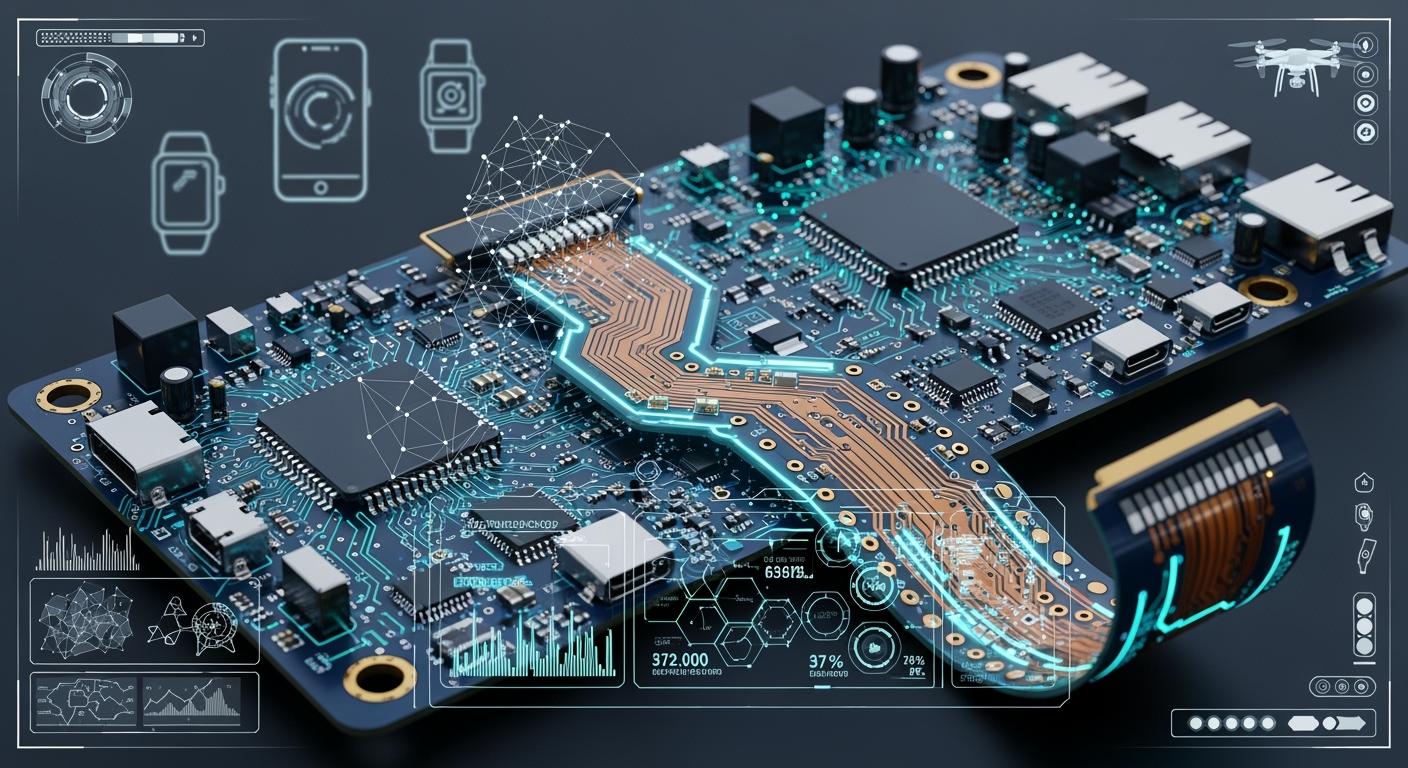
You can use Rigid-Flex PCB Assembly to make devices smaller and lighter. This technology takes away many connectors and cables. It helps you build things faster and with fewer errors. Devices stay strong because the rigid parts give support. The flexible parts help you fit the board into small spaces. Many industries use rigid-flex PCBs because they last longer. They also work well in hard conditions. The technology helps save space and weight. Sometimes, it saves up to 90% compared to old wired ways.
Key Takeaways
Rigid-Flex PCB Assembly helps make devices smaller and lighter. It does this by using both rigid and flexible parts together. This technology makes devices more reliable. It uses fewer connectors, so there are fewer weak spots. Devices last longer because of this. Assembly is faster and easier. This can lower labor costs by up to 30%. It also means there are fewer mistakes during production. The first costs might be higher. But you save money on repairs and materials later. This can lower total costs by 15% to 25%. Many industries use Rigid-Flex PCBs. These include consumer electronics and medical devices. They like the special design features of Rigid-Flex PCBs.
What Is Rigid-Flex PCB Assembly
Structure and Design
Rigid-Flex PCB Assembly uses two kinds of circuit board materials. One board has both rigid and flexible layers. The rigid parts are made from strong materials like fiberglass. These parts keep electronic pieces in place. The flexible parts use materials that can bend. You can fold or twist these parts to fit inside small or strange-shaped devices.
Rigid-Flex PCB Assembly lets you make boards with three-dimensional shapes. This helps you build devices that are smaller and lighter. You do not need extra connectors or cables. The board connects everything by itself. This makes your device stronger and easier to put together.
Tip: Rigid-Flex PCB Assembly helps you build electronics that fit into tight spaces, like smartwatches or medical tools.
Rigid vs. Flexible Sections
The rigid sections are like the backbone of your device. These parts give strong support to important pieces. They keep connectors and chips in the right spot. The rigid areas do not bend, so your parts stay safe.
The flexible sections work like joints. They let you bend or fold the board to fit your design. You can wrap the flexible parts around corners or squeeze them into small spaces. This makes your device smaller and more useful.
Rigid sections give support for parts and connectors.
Flexible sections let the board bend, fold, or fit into a three-dimensional space.
Rigid sections keep parts steady and in place.
Flexible sections help you move parts and make cool designs, saving space.
When you use both types of sections, you get the best mix. Your device stays strong where it needs support. It also bends where you need to save space or make a special shape.
Benefits of Rigid-Flex PCB Assembly
Space and Weight Reduction
Rigid-Flex PCB Assembly helps make devices smaller and lighter. You can bend and fold the board to fit tight spaces. You do not need extra connectors or cables anymore. Devices like fitness trackers use this to fit more parts inside. Smartwatches also use this to stay small but powerful. You can shrink your device by up to 35% with this method. This helps products fit into small cases, like wearables and medical tools. Every bit of space matters when you design for small places.
Note: Rigid-Flex PCB Assembly lets you build 3D shapes that old boards cannot do.
Reliability and Service Life
Devices last longer and work better with Rigid-Flex PCB Assembly. The design removes big connectors and soldered joints. This means there are fewer things that can break. Devices keep working in tough places, like where there is a lot of shaking. You can trust your device to work in hard conditions. The mix of rigid and flexible parts means fewer weak spots. Your device stays safe and strong for a long time.
Rigid-Flex PCB Assembly works well in tough places.
The design has fewer weak spots because it removes connectors and joints.
Devices last longer and work better when stressed.
Simplified Assembly Process
Rigid-Flex PCB Assembly makes building devices faster and easier. You put rigid and flexible parts together in one board. This means you have fewer steps to build your device. You do not need to connect lots of boards with cables. This can cut labor costs by up to 30%. You can finish building 30-60% faster than old ways. If you make over 500 devices a year, you save even more time. The simple process means fewer mistakes and more good products. You spend less time fixing errors and more time making great devices.
Tip: Making assembly easier helps you avoid mistakes and make more good products.
Cost Efficiency
Rigid-Flex PCB Assembly may cost more at first, but you save money later. The technology makes building easier and wastes less material. You spend less on labor and repairs because there are fewer parts to break. The total cost drops by 15% to 25% compared to old ways. You also pay less to fix your device because there are fewer connectors. Devices are more reliable, so you do not need to fix or replace them as much.
Factor | Rigid-Flex PCB Assemblies | Traditional Multi-Board Assemblies |
|---|---|---|
Initial Cost | Higher | Lower |
Complexity of Construction | More complex | Less complex |
Material Savings | Yes | No |
Assembly Simplification | Yes | No |
Overall System Cost Savings | 15% to 25% | N/A |
It can be harder to fix problems with flexible parts, but you will not need to fix them as often.
You save money over time because your device needs less fixing.
Applications of Rigid-Flex PCB Assembly
Consumer Electronics
Rigid-flex PCB assembly is used in many devices you know. Smartphones, tablets, smartwatches, and wearables use this technology. Designers pick it to make products thinner and lighter. You can fit more parts in a small space. This makes your device strong and small. Rigid sections hold parts steady. Flexible parts let the board bend around corners. This design helps cables and connectors last longer. Cameras and foldable devices also use fewer connectors and pack parts better.
Smartphones
Tablets
Smartwatches
Wearable electronics
Cameras
Foldable devices
Note: Devices that move or bend work better and last longer with reliable connections.
Industrial Automation
Rigid-flex PCB assembly is found in control systems and machines. The mix of rigid and flexible parts removes connectors that break easily. You get fewer things that can fail, so machines work longer. Boards can be folded or stacked to save space and weight.
Benefit | Description |
|---|---|
Integration of Sections | Combines rigid and flexible parts into one unit, reducing overall footprint. |
Elimination of Connectors | Reduces bulk by removing the need for additional connectors or cables. |
3D Configurations | Enables components to be folded or stacked, minimizing device dimensions. |
Weight Reduction | Lighter than multiple rigid boards, contributing to space efficiency. |
You spend less money on materials and assembly.
Medical Devices
Rigid-flex PCB assembly is used in medical tools that must be small and safe. The design lets you make tiny devices for patient care. Fewer connectors and solder joints mean fewer places to break. Flexible circuits help fit more parts in a small space. High dielectric materials keep controls steady, which is important for safety.
Compact designs for miniaturization
Biocompatibility for safe integration
Benefit | Explanation |
|---|---|
Enhanced Reliability | Reduces the number of mechanical interfaces, minimizing loose connections and signal interruptions. |
Compact Design | Integrates flexible and rigid components, allowing for smaller devices that can withstand stress. |
Consistent Performance | Ensures devices function reliably, crucial for patient safety in medical settings. |
Automotive and Aerospace
Rigid-flex PCB assembly is used in cars and planes because it is strong. The boards resist shaking and stress. You find them in driver systems, avionics, satellites, and communication devices. The small and light design lowers transport costs and makes devices more reliable.
Mechanical strength and vibration resistance
High reliability in extreme environments
Reduced risk of failure and lower maintenance costs
Economic Benefit | Description |
|---|---|
Improved Assembly Efficiency | Rigid-flex PCBs eliminate connectors and cables, simplifying the assembly process. |
Enhanced reliability reduces maintenance and repair costs, leading to overall savings. | |
Enhanced Reliability and Durability | The compact and lightweight nature of rigid-flex PCBs contributes to lower transportation costs. |
Tip: You can connect many rigid boards with one flexible circuit. This saves money and space.
Rigid-Flex PCB Assembly Process
Assembly Steps
You can follow simple steps to build a good rigid-flex circuit. Each step helps you stop problems and makes sure your board works.
Material Preparation and Conditioning: First, check all materials to see if they are good. Bake the boards to dry them out. Clean the surfaces so there is no oxidation.
Solder Paste Printing and Component Mounting: Put solder paste on the board. Place each part in the right spot with fast machines.
Controlled Reflow Soldering: Heat the board slowly. Use a low temperature and cool it down carefully. This keeps defects away.
Post-Reflow and Final Assembly: Attach stiffeners and add any through-hole parts. Clean the board, look it over, and test it to make sure it works.
Tip: Careful steps at every stage help you stop expensive mistakes later.
Supporting Advanced Designs
Rigid-Flex PCB Assembly lets you fit complex circuits into small spaces. The board bends and folds to match your device’s shape. This flexibility helps you make products smaller and lighter. The mix of rigid and flexible parts gives you more ways to place parts.
Aspect | Description |
|---|---|
Pre-baking | Takes out moisture to stop bubbles or delamination. |
Automated Optical Inspection | Checks if parts are in the right place after soldering. |
X-ray Inspection | Finds hidden solder problems to make boards more reliable. |
Automated machines help you put parts on flexible boards.
Special tools and vision systems make sure each part is in the right spot.
Careful handling keeps the board safe while you build it.
Challenges and Solutions
You may face some problems when you build high-density electronics with rigid-flex boards.
Bend area design can be hard.
Placing parts in the right spot needs planning.
Managing heat and blocking EMI are important.
To fix these problems:
Do not put through-holes where rigid and flexible parts meet. This keeps vias strong.
Use blind or buried vias in the right places and stagger them.
Control pressure and temperature during lamination to stop delamination.
Match materials to avoid problems with heat and solder joints.
Note: Careful design and the right steps help you build strong, reliable boards for any device.
When you use Rigid-Flex PCB Assembly, you get many good things.
You can make devices smaller and lighter.
Your devices become stronger and last longer.
You spend less money and build things faster.
You can make boards that fit into tiny spaces and cool shapes.
Future Impact | Description |
|---|---|
Next-generation tech | Devices will be smaller and work even better |
Market growth | More people will use this in 5G and cars |
You should think about using this technology for your next project. It helps you make devices that last a long time and work really well. Many companies will use these new ideas in the future.
FAQ
What is the main advantage of rigid-flex PCB assembly?
You get a smaller, lighter device. You also remove many connectors and cables. This makes your product stronger and easier to build.
Can you use rigid-flex PCBs in high-vibration environments?
Yes. Rigid-flex PCBs work well in cars, planes, and machines. The design resists shaking and stress. Your device stays reliable.
Is rigid-flex PCB assembly more expensive than traditional boards?
You may pay more at first. Over time, you save money on repairs and labor. The design lasts longer and needs less fixing.
How do you design for both rigid and flexible sections?
You plan where each part goes. You keep heavy parts on rigid areas. You use flexible sections for bends and folds. This helps your board fit your device.
What devices use rigid-flex PCB assembly?
Smartwatches
Medical tools
Cameras
Automotive systems
Aerospace controls
You find this technology in many modern electronics.
See Also
Essential Guidelines for Surface Mounting Rigid-Flex PCBs
Key Considerations for SMT Assembly of Rigid-Flex PCBs
Best Practices for Assembling Flex PCBs Effectively
Innovative Methods for Reliable BGA Assembly in Electronics
Critical PCBA Processing Standards for Medical Device Production
