ISO 13485 for Medical PCBA Manufacturing
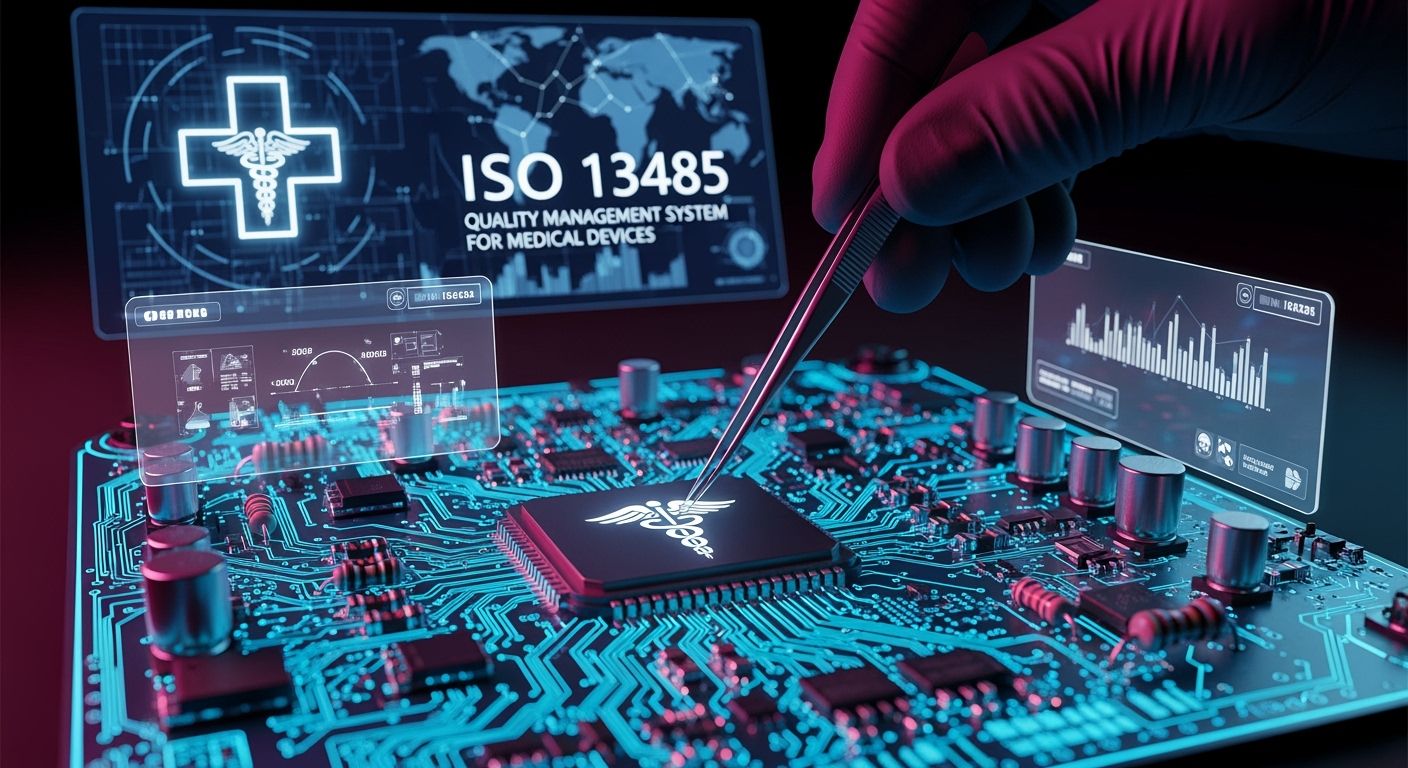
ISO 13485 is a rule for quality in making medical devices. You need to use careful design and risk checks to meet these rules. Medical device electronics get checked more because mistakes can cause big problems. ISO 13485 certification helps lower risks, make better products, and follow the rules. The 13485 rules cover every step, from making to throwing away, so your work meets world rules.
ISO 13485 controls the whole making process and needs good records.
The 13485 rule is tougher than normal rules because patient safety is very important.
Key Takeaways
ISO 13485 makes sure medical devices are safe and good quality. It helps companies follow rules used around the world.
Getting certified helps customers trust your company. It also lets you sell in more places. This is important for growing your business.
Audits and checks happen often to keep everything correct. They help make products better and follow the rules.
Good training and clear papers help your team know what to do. They make it easier to follow ISO 13485 steps.
Using ISO 13485 lowers risks and saves money. It means fewer mistakes and better results for your company.
ISO 13485 and Medical Equipment Standards
ISO 13485 Overview
In this field, safety and reliability are very important. ISO 13485 is a rule used all over the world. It helps set up a strong quality management system. You need to keep good records and know what each person does. Leaders must set goals and check how things are going. You also need enough skilled workers and the right tools. This helps you meet rules and handle risks.
ISO 13485, IEC 60601, and FDA 21 CFR Part 820 all care about quality and safety in making medical devices.
The FDA accepts ISO standards, so you can meet US and world rules.
The EU MDR wants you to follow rules like ISO 13485 to show your products are safe.
Many countries use ISO paperwork, so it is easier to sell products everywhere.
Some new changes in 13485 may change your daily work. The table below lists some important updates:
Aspect | Description |
|---|---|
Quality Control | You must write down how you check quality at every step. |
Risk Management | You need to look at parts to lower risks, like old parts. |
Traceability | You must track all parts for quick recall and easy tracking. |
Importance for Medical PCBA
If you make printed circuit board assemblies for medical devices, 13485 is very important. This rule makes sure you follow safety and performance steps from start to finish. You lower the chance of mistakes and problems that could hurt patients. Many places need 13485 certification for these parts, so you can sell in more markets. You also earn trust from customers and meet world standards. By following 13485, you show you care about quality, safety, and following the rules at every step.
ISO 13485 Compliance in PCBA Manufacturing
Scope of Compliance
You need to know what ISO 13485 asks for in pcb making. These rules cover everything, from getting materials to checking the final product. You must set up ways to track every part and write down each step. This helps you find problems fast and recall products if needed.
Here is a table that lists the main rules for medical pcbs under 13485:
Compliance Requirement | Description |
|---|---|
Quality Systems | Control all parts of medical PCBA work and make sure you follow the rules. |
Use systems to record lot codes and supplier papers. | |
Serialization and Inventory Control | Use special ERP systems to track all parts. |
Revision-Controlled Build Instructions | Write clear steps for making the product. |
Critical Material Verification | Check and review your process to follow the rules. |
Complete Documentation Packages | Give all needed papers for rule checks. |
You must use quality systems to control all pcb making steps. Material traceability helps you follow lot codes and supplier info. Serialization and inventory control keep your records right. Revision-controlled instructions help your team do each step. You must check important materials and review your process. Complete document packs help you with rule checks.
Process Validation and Documentation
Process validation is a key part of iso 13485. You must show your pcb making steps always meet the rules. Start with a plan that says what you will check, how you will check it, and what you want to see.
Follow these steps for process validation:
Make a plan. Say what you will check and what is good.
Check that equipment is set up right and works well.
Test equipment and steps in normal use.
Show your process makes good medical pcbs in real life.
Write down and save records for every step.
You must keep strong records for iso 13485. This means device master records, device history records, and papers for rule checks. You also need design records, change papers, and process maps. Test tools must pass checks. First process studies and control plans link all steps together.
Tip: Good records and process checks help you fix problems fast and save money.
Meeting FDA and International Requirements
You must match your pcb making steps to iso 13485 and FDA rules. Both sets of rules want written steps, checks inside your company, and ways to fix problems. The table below shows the main rules:
Regulatory Framework | Key Requirements |
|---|---|
FDA 21 CFR 820 | Makes sure devices are safe and work well, needs written steps, checks, and fixes. |
ISO 13485:2016 | Says what a quality system must do to meet customer and rule needs, wants the same records and checks. |
You should use these rules early when you design. This helps you meet iso 13485 and FDA rules. Keep checking for risks from start to finish. Quality systems help your pcb making steps meet world rules. Every design paper, risk note, and review must link to an iso 13485 rule. You must make design controls stronger and use clear ways to move designs to making.
By doing these things, you make sure your medical pcbs meet all iso 13485, process checks, and rule needs. This helps customers trust you and lets you sell in more places.
Achieving and Maintaining ISO 13485 Compliance
Steps to Certification
You begin by learning what ISO 13485 wants from you. First, look at your current work and compare it to the ISO 13485 rules. This helps you see what you do well and what needs work. Next, make a team with people from different jobs. Each person should know what they need to do.
You must write down your quality control steps. Make sure your instructions are clear for every part of PCBA making. Add risk management and traceability to your plans. Train your team so everyone knows the new rules and their job. When you are ready, pick a trusted group to check your work. They will look at your system and see if you meet all the ISO 13485 rules. If you pass, you get your certificate.
Tip: Keep your papers simple and easy to read. This helps your team and makes checks easier.
Ongoing Quality Control
After you get certified, you must keep your quality strong. ISO 13485 is not just a one-time thing. You need to check your work every day. Use regular checks and tests to make sure your PCBA products are good. Track each batch and keep records for every step.
Here is a table that shows how you can check if your ISO 13485 system works well:
Quality Management Practices | Benefits of ISO 13485 |
|---|---|
Documented quality control process for manufacturing of medical devices | Enhancing customer satisfaction |
Full understanding of quality regulations for medical devices | Improving the process |
Traceability of documented processes and materials | Continual improvement culture |
Analysis and improvement | Brand building |
Informed decision making | |
Employee engagement |
Good quality control helps you do better work and earn trust. You also build a team that always tries to improve. Your team learns from each batch and finds ways to do better next time.
Internal Audits and Continuous Improvement
You need to check your system often to keep ISO 13485. Internal audits help you find problems before they get big. Plan audits at set times. Use a checklist based on ISO 13485 rules. Look at your records, talk to your team, and check for weak spots.
When you find a problem, fix it fast. Use root cause analysis to learn why it happened. Change your steps so it does not happen again. Ask your team to share ideas to make things better. This keeps your system strong and helps you get ready for outside checks.
Note: Continuous improvement is not just about fixing mistakes. It means making your whole system better over time.
By doing these steps, you keep your ISO 13485 certification. You also protect your business, your customers, and the patients who use your products.
Compliance Best Practices and Challenges
Implementation Tips
You can make 13485 work better in your company by following some best practices. Start with clear goals for compliance. Build a team that knows the rules and understands your products. Use checklists to track each step. Keep your records simple and easy to find. Review your process often to spot gaps. Use feedback from audits to improve your system.
Tip: Set up regular meetings to talk about 13485 updates and share ideas for better compliance.
Common Pitfalls
Many companies face problems when they try to meet 13485. You might forget to update your documents or skip steps in your process. Some teams do not train new workers on compliance. Others use old records that do not match the latest iso 13485 rules. If you do not check your process, you can miss errors that affect quality.
Here is a table of common pitfalls and how to avoid them:
Pitfall | How to Avoid |
|---|---|
Outdated procedures | Review and update often |
Poor record keeping | Use digital tools for tracking |
Lack of team training | Hold regular training sessions |
Ignoring audit feedback | Act on findings right away |
Training and Resource Management
You need strong training to keep up with 13485. Teach your team about compliance from day one. Use simple guides and hands-on practice. Make sure everyone knows how to handle records and follow each step. Give your team the right tools and enough time to do their work. Check that your resources match the needs of iso 13485.
Note: Good training and resource planning help you keep compliance strong and protect your business.
Benefits of ISO 13485 for Medical PCBA
Enhanced Product Quality
When you use 13485, your medical PCBA products get better. The standard makes you check your work at every step. You keep track of each part and write down what you do. This helps you find problems before they reach customers. You also have fewer broken units and do less rework. The table below shows how 13485 can help you:
Outcome Type | Value |
|---|---|
Quality Cost Reduction | $312,500 |
Improved First-Pass Yield | 8.5% (from 87.2% to 94.6%) |
Defective Units Prevented | 207,200 annually |
Annual Rework Savings | $287,360 |
Compliance & Regulatory Cost Avoidance | $186,400 |
You make fewer mistakes and save more money. Your team learns to spot risks early. This focus on quality helps you follow the rules and keep patients safe.
Building Trust and Market Access
13485 certification shows you care about safety and doing things right. Customers, partners, and rule makers trust you more when you have it. Many buyers and countries want 13485 before you can sell to them. You can sell in new places and get more business. Here is a quick look at how 13485 helps you:
Evidence Type | Description |
|---|---|
Trust Signal | Certification acts as a credibility signal to regulators, partners, and customers, enhancing trust. |
Market Access | Many procurement processes require ISO 13485 certification, making it essential for market entry. |
Operational Efficiency | Organizations with certification experience reduced time to market and regulatory approval costs. |
CDMOs get more customers after getting certified.
Certification makes the approval process much faster.
Companies can sell in new places after getting certified.
ISO 13485 certification tells everyone that you care about quality at every step. This helps people trust you and your products.
Long-Term Business Value
13485 gives you more than just quick wins. The standard helps you handle risks and keep your work strong. You show others you can make good products. Your team works better and feels sure of their work. You also save money and avoid big mistakes.
ISO 13485 gives you a plan to handle risks all the time. It helps you control, check, and improve your work.

When you use 13485, your business gets stronger and can grow. You follow the rules, build a good name, and keep your customers safe.
You help keep patients safe and make sure products work well by using ISO 13485 in medical PCBA making. This rule helps you find risks, make better products, and follow world rules. New things like artificial intelligence and tougher data privacy rules are coming. You need to watch for these changes and update your quality checks.
Changes in world rules mean you must get better at finding risks, tracking parts, and watching your supply chain to do well for a long time.
FAQ
What is ISO 13485, and why do you need it for medical PCBA?
ISO 13485 is a quality standard for medical devices. You need it to show you follow strict rules for safety and quality. This helps you meet global regulations and build trust with customers.
How does ISO 13485 help you reduce risks in PCBA manufacturing?
You use ISO 13485 to track every step and check each part. This process helps you find problems early. You lower the chance of defects and protect patient safety.
Do you need ISO 13485 certification to sell medical PCBA products worldwide?
Most countries require ISO 13485 for medical PCBA. You need certification to enter many markets. This standard makes it easier for you to pass audits and meet local rules.
How often should you review your ISO 13485 processes?
You should review your processes at least once a year. Regular checks help you find gaps and improve your system. Internal audits keep your certification strong.
What happens if you do not follow ISO 13485 in medical PCBA manufacturing?
If you skip ISO 13485, you risk product recalls and legal trouble. Customers may lose trust in your company. You might not be able to sell in key markets.
See Also
Understanding PCBA Processing Needs for Medical Devices
Sourcing Electronic Parts for Effective PCBA Production
Essential Materials Required for Effective PCBA Manufacturing
