How Turnkey PCB Assembly Services Help Lower Your Expenses
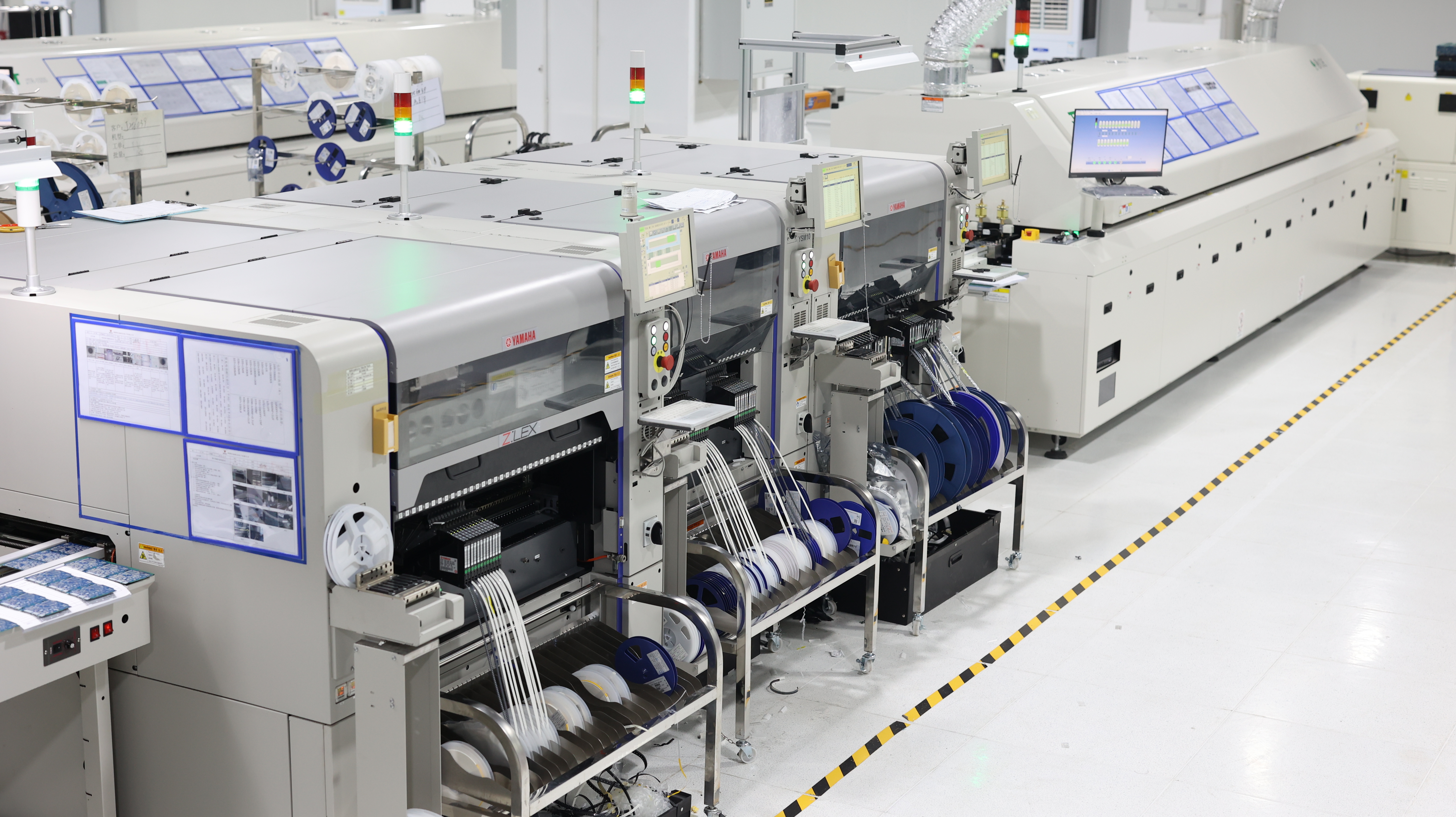
If you're looking to cut costs and boost efficiency, a turnkey PCB assembly service is the solution. With a turnkey PCB assembly service, you benefit from smart cost-saving strategies such as streamlined supplier management, bulk purchasing for better prices, reduced logistics and overhead, and expert quality control that leads to fewer errors.
Key Takeaways
Turnkey PCB assembly services streamline procurement by managing the entire process, saving you time and reducing costs.
Standardizing component sizes simplifies assembly, minimizes errors, and leads to significant cost savings.
Optimizing production volume allows for lower per-unit costs and reduces waste, keeping your inventory lean.
Streamlined Procurement with Turnkey PCB Assembly Service
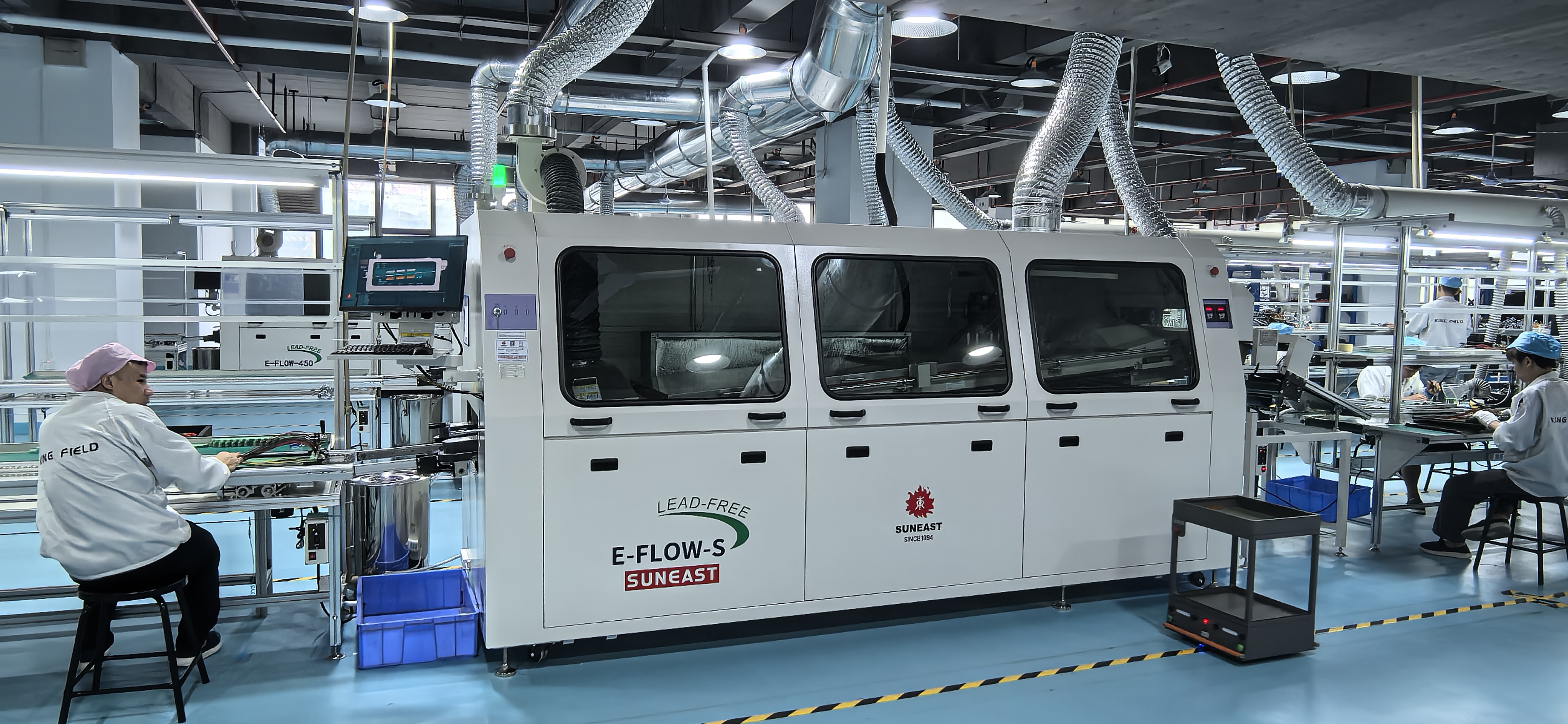
When you choose a turnkey PCB assembly service, you get a one-stop solution that takes the headache out of sourcing, inventory, and kitting. You no longer need to juggle multiple suppliers or worry about missing parts. Your assembly service provider handles everything, so you can focus on your design and delivery.
Here’s how turnkey PCB assembly streamlines procurement and helps reduce pcb assembly cost:
You work with one provider who manages the entire process, from ordering components to final assembly.
This approach eliminates long lead times and complex BOM management.
You avoid production delays because your provider handles all logistics and inventory.
You save money and time by cutting out communication challenges with multiple vendors.
Your team can focus on innovation instead of chasing down parts.
Standard Component Sizing
Standardizing component sizes is a smart way to reduce pcb costs. When you use common footprints and avoid unnecessary complexity, you make the assembly process smoother and cheaper. Here’s what happens when you stick to standard sizes:
You minimize the number of unique components, which means fewer parts to source and store.
You make it easier for machines to place and solder components, which speeds up production.
You leave enough space between parts for easy soldering, which reduces errors and rework.
You avoid complicated layouts that can drive up material and labor costs.
Tip: Ask your turnkey pcb assembly partner to review your BOM for standardization. This small step can lead to big savings on your next project.
Efficient Inventory and Kitting
Efficient inventory management is a game-changer for cost-effective assembly. Your turnkey pcb partner takes on the responsibility of sourcing, storing, and organizing all your parts. This means you don’t have to tie up cash in extra inventory or worry about shortages.
Here’s a quick look at how inventory and kitting strategies impact your costs:
Strategy | Impact on Costs |
|---|---|
Component Standardization | Reduces inventory complexity and enables volume pricing advantages, leading to lower procurement costs. |
Volume Planning | Amortizes setup charges across larger production runs, reducing per-unit costs. |
Supply Chain Management | Maintains relationships with distributors for competitive pricing and reliable component availability. |
Kitting also plays a big role in reducing labor and logistics costs. When your provider gathers all the necessary parts into one set, you get:
Evidence | Explanation |
|---|---|
Pre-sorted components reduce the risk of incorrect placements, which can incur additional costs due to rework. | |
PCB Kitting services include gathering all necessary parts into one set. | This process leads to shorter lead times and cost-effective production, enhancing overall efficiency in assembly. |
You get fewer mistakes, faster assembly, and lower costs.
Optimized Production Volume
Optimizing your production volume is another way turnkey pcb assembly helps you reduce waste and save money. Your provider can plan larger runs, which spreads out setup costs and lowers your per-unit price.
Here’s what you gain with optimized production volume:
Reduced setup time because multiple boards are loaded on a single panel.
Less handling labor, which means fewer errors during inspections and soldering.
Material efficiency, since optimized layouts use less substrate and create less waste.
Faster depaneling, so boards separate quickly without damage.
Turnkey pcb assembly services manage the entire process, so you only order what you need. This approach keeps your inventory lean and your costs under control. You don’t have to worry about excess parts sitting on the shelf or wasted materials.
Note: By letting your assembly service provider handle procurement and production planning, you get reliable supply, better pricing, and consistent quality—all while keeping your costs down.
Design and Process Optimization to Reduce PCB Costs
When you want to reduce pcb assembly cost, you need more than just good parts. You need smart design and process choices. Turnkey pcb assembly services help you make these choices from the start. You get expert advice on how to design your board for easy manufacturing and assembly. This means you avoid expensive mistakes and get the most out of every dollar.
DFM and DFA Guidelines
Design for Manufacturability (DFM) and Design for Assembly (DFA) are two powerful tools. They help you create boards that are easy to build and assemble. Your turnkey pcb partner uses these guidelines to spot problems before they happen. You get fewer errors, less rework, and faster production.
Here’s how DFM and DFA impact your costs:
Evidence Description | Cost Impact |
|---|---|
DFM designs the PCB layout with manufacturing in mind, enhancing efficiency. | Reduces production costs by streamlining processes. |
Collaboration on DFM assessments identifies costly design elements. | Helps avoid unnecessary expenses by optimizing design for assembly. |
Proactive detection of footprint mismatches prevents assembly errors. | Minimizes costs related to errors and production delays. |
Ensuring component accessibility reduces rework and errors. | Lowers assembly costs by preventing difficult-to-reach component issues. |
You can see real savings when you follow these best practices:
Keep your design simple and stick to what works.
Standardize your components and processes.
Make sure your design matches the equipment your provider uses.
Add test points so you can check your boards easily.
Focus on reliability so your boards last longer.
Tip: Ask your turnkey pcb assembly provider for a DFM/DFA review before you start production. This step can save you time and money.
Cost-Benefit Analysis in Design Choices
Every design choice affects your bottom line. You want a board that works well, but you also want to keep costs down. Turnkey pcb assembly services help you balance these needs. They look at your design and suggest ways to get the best value.
Here’s a quick look at how different factors affect your cost-benefit ratio:
Factor | Impact on Cost and Benefit Ratio |
|---|---|
Board Complexity | More complex designs increase manufacturing costs due to intricate routing and multiple layers. |
Material Selection | Choice of materials affects both initial costs and long-term reliability of the PCB. |
Component Sourcing | Selecting components involves balancing cost, quality, and performance, impacting reliability. |
You can make smarter choices by:
Allowing longer lead times. This gives your provider time to find the best deals.
Using industry-standard components. These are cheaper and easier to get.
Optimizing your layout. A clean layout means faster, cost-effective assembly.
The overall cost of pcb assembly depends on design complexity, material choices, and how you source components. Each decision shapes the quality of the product and your long-term savings.
SMT and Layout Efficiency
Surface Mount Technology (SMT) and smart layout choices make a big difference in cost-effective assembly. SMT uses smaller, lighter parts that machines can place quickly. This method works best for large runs and helps you save on labor and materials.
Let’s break down the impact of SMT and layout efficiency:
SMT is more cost-effective for large-scale production due to compact components.
Through-Hole assembly can lead to higher material and labor costs.
SMT offers lower labor costs and material savings due to smaller board sizes.
Through-Hole assembly involves larger components and manual labor, leading to higher costs.
You can also cut costs by optimizing your layout. Here are some strategies that work:
Optimize your PCB layout to minimize board size and material expenses.
Group similar components together. This makes automated assembly faster.
Reduce the number of layers. Fewer layers mean lower material and fabrication costs.
Factor | Impact on Cost |
|---|---|
Number of layers | More layers increase complexity and cost |
Board dimensions | Larger boards are more expensive to assemble |
High pin-count components | Increases assembly difficulty and cost |
Fine pitch parts | Require advanced techniques, raising costs |
Mixed technologies | Complexity adds to assembly time and cost |
“Proactive design choices can reduce costs significantly. Strategies include optimizing PCB layout for automation and minimizing the number of PCB layers to lower material costs.”
When you work with a turnkey pcb assembly provider, you get help with every step. They know how to design for automation, reduce waste, and keep your project on track. You get reliable results, better quality, and more savings.
Quality, Speed, and Error Reduction in Turnkey PCB Assembly
Fewer Reworks and Improved Quality
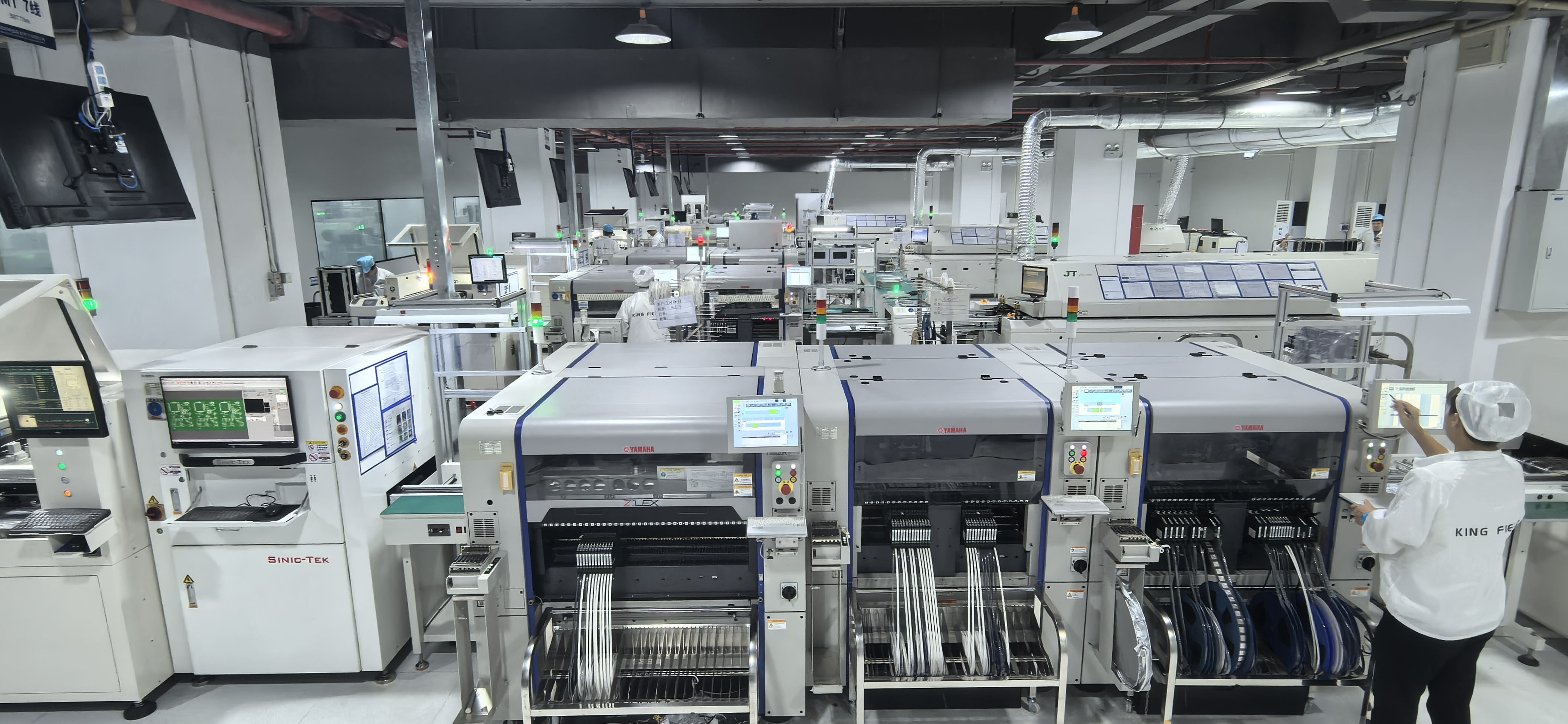
You want your boards to work right the first time. Turnkey pcb assembly helps you get there by cutting down on mistakes and reworks. When you use a turnkey service, you get centralized management of production. This means one team handles everything, so errors drop and accountability goes up. Integrated quality control steps like Solder Paste Inspection and Automated Optical Inspection catch problems early. You avoid issues like cold solder joints or misaligned parts because your provider follows strict IPC-A-610 standards.
Here’s a quick look at how turnkey pcb assembly reduces reworks:
Evidence Point | Explanation |
|---|---|
Centralized management of production | Minimizes errors and boosts accountability, leading to fewer reworks. |
Integrated quality control | Finds and fixes issues before they grow. |
Centralized BOM management | Prevents wrong parts or substitutes. |
Clear responsibility | Keeps your project on track and reliable. |
Adherence to IPC-A-610 standards | Maintains consistent quality of the product. |
You also get complete design checks and strong documentation. This keeps your assembly accurate and traceable, so you can trust the results.
Faster Turnaround without Extra Fees
You don’t want to wait weeks for your boards. Turnkey pcb services speed up the process and help you avoid rush charges. Prototyping can take just 3–5 days, and batch production often finishes in 5–7 days. That’s much faster than traditional methods, which might drag on for 8–12 weeks. You skip the hassle of coordinating with multiple vendors, which usually adds delays.
Turnkey providers use automation and integrated expertise to keep things moving. They test and inspect at every stage, so you catch problems early and save money on fixes. You also benefit from cost-effective assembly because turnkey providers buy parts in bulk and work with trusted suppliers. This leads to real savings and helps reduce pcb assembly cost.
You get high-quality boards, quick delivery, and lower costs—all without paying extra for speed. That’s the power of turnkey pcb.
You can lower expenses and boost efficiency with turnkey pcb assembly. This one-stop solution brings cost reduction strategies like bundled pricing, bulk buying, and streamlined processes. You get faster delivery, better quality, and less stress. Choose turnkey pcb for your next project and see real savings.
Ready to simplify your workflow? Let turnkey help you scale with ease.
FAQ
What makes turnkey PCB assembly services budget-friendly?
You save money because you get bulk pricing, fewer mistakes, and faster delivery. Your assembly service provider handles everything, so you avoid extra costs.
Can I use my own components with a turnkey service?
Yes, you can. Most providers let you supply your own parts if you want. Just check with your assembly service provider first.
How fast can I get my boards with turnkey assembly?
You often get your boards in just a few days. Turnkey services move quickly because they manage the whole process for you.
See Also
Enhancing Project Efficiency With Quick-Turn PCB Prototypes
Understanding Full Turn-Key PCB Manufacturing And Assembly Services
Selecting The Right Turnkey PCB Assembly: Full Or Partial?
Finding The Ideal One-Stop Solution For PCB Assembly
Boosting Business Efficiency Through PCBA Contract Manufacturing
