Comprehensive Guide to PCBA Quality Standards for Assembly
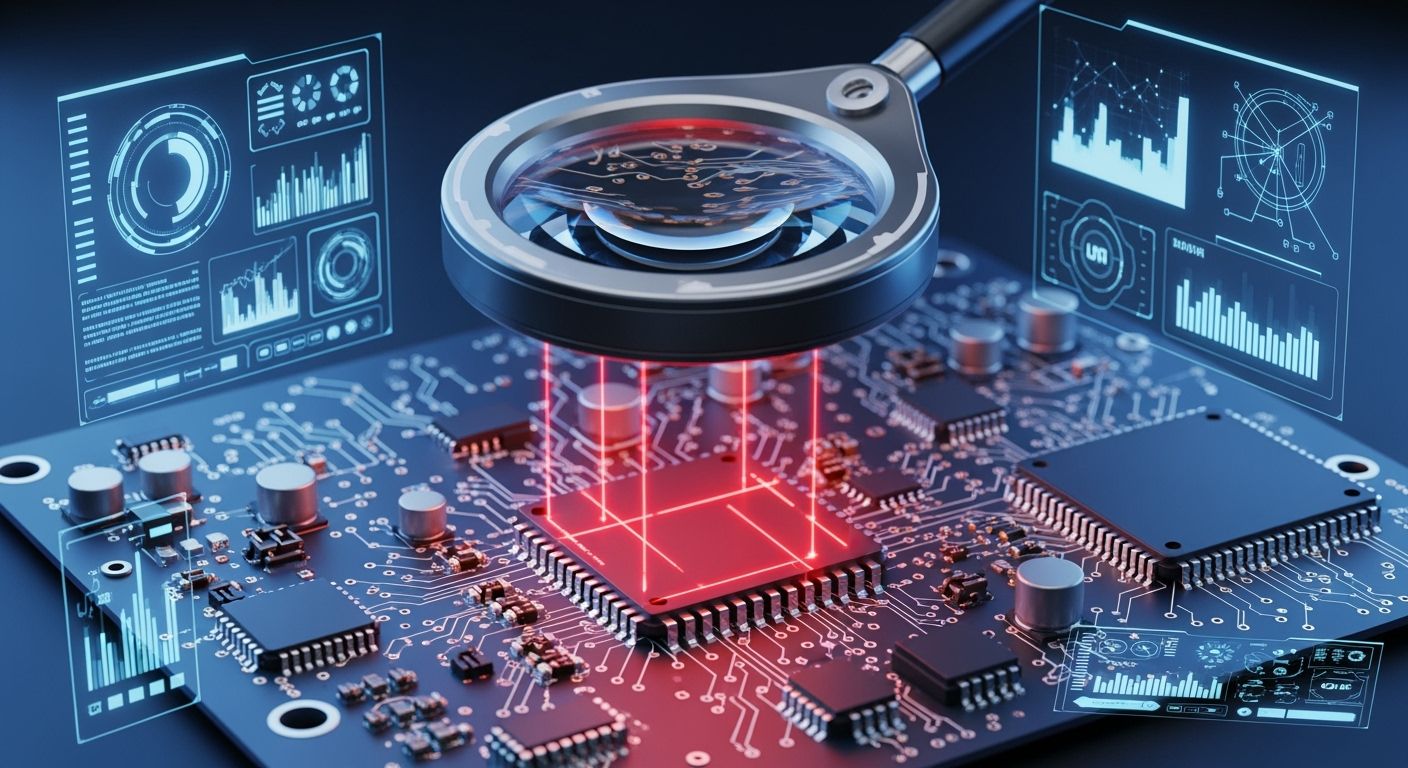
Following PCBA Quality Standards cuts product failures. It keeps machines working well during factory making. You must match core IPC rules to steps. This guarantees that your circuit boards work correctly.
Standard | Manufacturing Stage | Role / Function |
|---|---|---|
IPC-6012 | Bare Board Fabrication | Performance spec for stiff printed circuit boards |
J-STD-001 | Assembly (PCBA) | Sets the rules for soldering steps |
IPC-A-610 | Test & Inspection | Gives rules for checking finished parts visually |
Learning IPC class levels helps you set check limits. Using these technical rules ensures you maintain strict PCBA Quality Standards.
Key Takeaways
Follow IPC rules to cut product failures.
They keep factory machines working smoothly every day.
Pick the right IPC class level now.
It matches your board to real needs.
Use basic visual guides during checks.
They help workers spot small solder flaws early.
This happens before items ship out fast.
Do regular factory checks and train staff.
This protects your brand name very well.
It keeps quality high and stops failures.
Overview of PCBA Quality Standards
Role of Industry Frameworks in Electronics
You build reliable gear. Follow pcba quality standards. Keep factory results steady. Use pcb quality requirements.
The ipc defines clear rules. These govern every build stage. Industry rules set standard bases. They protect physical hardware parts. You save rework money. You also boost build output.
Production Phase | Primary Function & Focus | Referenced IPC Standard | Interrelated Structural Role |
|---|---|---|---|
Fabrication | Bare board making and strength rules. | IPC-A-600 / IPC-6012 | Sets the baseline needed before assembly. |
Assembly Process Control | Soldering steps and part placement work. | J-STD-001 | Guides the step-by-step assembly rules. |
Acceptance Standards | Final tests and quality checks. | IPC-A-610 | Checks the finished board for strength. |
Fabrication Criteria and PCB Quality Standards
Separate raw board steps. Keep them from component rules. Trust specific ipc standards. They guide each build step.
Makers build bare boards. They follow strict rules. Clear pcb production standards act alone. They separate raw boards from assembly. Engineers test bare boards first. They do this before assembly.
Standard Category | Primary Focus & Criteria | Key Acceptance Parameters |
|---|---|---|
Bare Board Fabrication (IPC-6012 / IPC-A-600) | Rigid board making and material traits. | Heat stress, layer alignment, and copper thickness. |
Assembly Standards (IPC-A-610 / J-STD-001) | Board part checks and soldering. | Part placement and good solder joints. |
High-trust boards need neat layers. They need proper core thickness. Check physical raw boards first. Keep this away from post-assembly pcb quality standards.
Tip: Check bare board copper layer thickness. Catching raw board errors early saves time.
Key Regulatory and Medical Overlay Requirements
Apply extra strict rules. Use them for vital builds. Special groups set rules. They target high-risk needs.
These overlays boost main pcba quality standards. They aid tough industry needs. Check specific ipc rules. You will pass agency audits.
Quality Overlay | Key Process & System Modifications | Technical & Material Requirements | Baseline IPC Classification Alignment |
|---|---|---|---|
ISO 13485 (Medical) | Total risk control and deep tracking. | Safe materials and heat cleaning endurance. | Uses IPC-6012 Class 3 rules. |
IATF 16949 (Automotive) | Stopping errors and reducing waste. | Tests for strong physical shock endurance. | Uses IPC-6012 Class 2 or 3. |
Medical tools rely on boards. They save human lives. Cars put strong boards in shaky areas. Deep heat testing stops board damage.
Strict checks keep systems safe. They run without stopping. Match ipc class rules. This ensures total safety. Follow ipc compliance. This controls factory risks.
Understanding IPC Class Definitions
Pick the right build level for your project. Engineers use ipc class levels to group boards. They check performance needs and board life. Good rules balance costs and product safety.
Note: Each level changes part layouts. It changes testing and allowed defects too.
Parameter | IPC Class 1 | IPC Class 2 | IPC Class 3 |
|---|---|---|---|
Category & Quality | General / Low-cost | Dedicated Service / Good | High-Reliability / Failproof |
Life Expectancy | Short lifespan | Extended/long operational life | Maximum / Extended critical life |
Visual Inspection | Basic check for major faults | Detailed check for minor defects | Highly rigorous optical inspection |
Testing & Measurement | Basic fit and function limits | Tighter component tolerances | Most stringent optical verification |
Solder Joint Standard | Basic wetting rules | Improved fillet formation criteria | Zero-defect standard for wetting |
Cleanliness Standards | Basic protection from pollution | High standards for medium-term use | Strictest contamination controls |
Application Examples | Toys, flashlights, basic items | Laptops, microwave units, tools | Medical, aerospace, defense |
Class 1 General Electronics
Class 1 covers simple everyday electronics. Basic function is the top goal here. Cheap consumer goods use these rules. Flashlights and toys fall into this group.
Functional Compliance: Surface flaws inside pcbs are okay. The product passes if it works.
Non-Critical Deployment: Makers build these parts for disposable items. They do not last long outdoor.
Basic Quality Checks: Quick checks look for huge physical defects. They find heavy dirty spots too.
This plan saves the most money. You get many boards fast. But the hardware life is short.
Class 2 Dedicated Service Products
Class 2 fits dedicated service tools. Gear needs a longer working life. It needs steady daily performance. Laptops and tools use these pcbs.
Standard Environments: These systems work in normal spaces. They avoid extreme heat or cold.
Sustained Operation: Factories need nonstop work from tools. Stops are bad, but not dangerous.
Detailed Inspection: Workers check for small defects. They look at alignment and flux.
The ipc sets rules for solder joints. Good joints protect hardware from shaking. They stop shock damage too.
Class 3 High-Reliability Assemblies
Class 3 demands pure strength. Boards must not fail. Vital medical and space gear use them. System failure causes huge safety risks.
You must pass hard checks for Class 3 builds:
Standard Parameter | IPC Class 3 Required Specification |
|---|---|
Plated Through-Hole Barrel Fill | 75% to 100% volume fill |
Annular Ring Integrity | Minimum 50 μm (outer) / 25 μm (inner); zero breakout permitted |
Lead Solder Coverage | Minimum 180° perimeter coverage |
Plating Copper Thickness | Minimum 25 μm across all through-holes |
Conductor Dimension Limits | Maximum 20% width reduction relative to artwork |
Surface Flaws | Zero tolerance for function-impairing defects (e.g., delamination) |
Inspection Coverage Rate | 100% visual and physical verification |
Thermal Shock Endurance | 500 temperature cycles spanning −55°C to +125°C |
Tough tests stop heat damage early. Factory teams check every single board. This stops bad boards from leaving.
Solder Fillet and Barrel Fill Thresholds
Use exact ipc class rules during tests. They help check solder joint quality. Different tiers set vertical fill levels. They set solder size limits too.
Inspection Parameter | Class 2 Requirement | Class 3 Requirement |
|---|---|---|
Vertical Barrel Fill | Minimum 50% fill for through-hole leads | Minimum 75% fill for through-hole leads |
Solder Fillet Height Tolerance (Gull-wing heel fillets) | Solder thickness + 50% lead thickness at joint side | Solder thickness + 100% lead thickness at joint side |
Class 3 needs full barrel fill. It sets maximum solder heights. These steps take more work time. Skilled staff must do the work. Higher rules raise fixing work in factories. They lower total board output. But this extra work stops costly breaks.
Teams use rules to manage risk. Class 2 works for store goods. Class 3 keeps critical gear safe. Knowing limits improves pcb fabrication choices. It keeps pcbs running well out there.
Core IPC Standards for Assembly
Build electronics with great care. Three main ipc guides help daily work. They join parts, steps, and check rules.
[IPC-7351 / IPC-2221] --> [IPC-J-STD-001] --> [IPC-A-610]
 (Design & Footprints)     (Materials & Process)  (Visual Acceptance)
Each standard has a clear plant task:
Material Integration: Control lead coating, paint, and solder paste. Choose metal mix, flux, and powder size.
Process Controls: Set strict build steps. Pick plate design, print rules, part spots, and heat limits.
Visual Acceptance Criteria: Require close eye checks, sizing, and part fault rules.
Workmanship Classes: Group goods into Class 1, 2, and 3. Match parts and checks to room heat.
Standard Category | Standard Reference | Focus Area & Integration Role |
|---|---|---|
Design & Footprints | IPC-7351 / IPC-2221 | Set land shapes, pad spaces, and plain design rules. Ensure easy build work early. |
Materials & Process | IPC-J-STD-001 | Guide solder parts, build rules, wash steps, and static controls. |
Visual Acceptance | IPC-A-610 | Act as main guide for eye checks. Grade solder joint quality and part spots. |
J-STD-001 Soldering Process Control
Use IPC-J-STD-001 to run active board builds. This rule sets part and tool rules.
Watch your solder paste traits close. Check metal mixes, flux strength, and grain sizes. Plate printing needs steady blade push and speed. Set part placement tools to fix line alignment.
Heat ovens need exact time profiles. Balance heat-up times, top heat, and liquid dwell times. Good heat control stops harm to fine parts. Wave solder tools also need fixed flux and pot heat.
Keep strong static controls inside the shop. Static shocks harm inner part joints fast. IPC-J-STD-001 sets wrist strap and mat rules for staff.
💡 Tip: Check heat profiles before each shift starts. Heat shifts cause quick solder defects on large lines.
IPC-A-610 Visual Acceptability Criteria
Use IPC-A-610 as a main visual guide. Staff match real boards to clear pictures.
Visual checks of lead lines spot extra solder bridges. Solder between bottom pins breaks ipc rules. It creates shorts and mechanical stress. Check teams use magnifiers to spot small cracks and shifts.
The rule shows pass and fail states for parts:
Component / Category | Visual Acceptability Criteria | Identified Defect Conditions |
|---|---|---|
Chip Components (Resistors/Capacitors) | Smooth fillets, zero end hangover, side pad cover, heel wetting, low top height. | Tombstones caused by uneven heat spread. |
Gull-Wing Leads (SOICs/QFPs) | Side joint long as lead width, scaled heel height, toe inside pad bounds. | Flatness issues affecting equal fillet shapes. |
J-Lead Components (PLCCs) | Fillet curves around lead, set heel height for strain, side inside pad boundaries. | Stress flaws that cross class limits. |
General Solder Joint Profiles | Preferred inner curves showing good surface pull, smooth metal flow, and clean reflow. | Non-wetting, dewetting, cold joints, bridging, solder balls, split fillets, hot tears, and fillet lift. |
IPC-A-610 helps workers spot hidden hardware flaws fast. You protect quality by checking joints against class guides.
Cleanliness Limits and Contamination Testing
Flux dirt destroys bare pcbs over time. Test target builds for bad surface dirt.
Dirty ionic spots draw water from the air. This water brings chemical rust and wire metal paths. Short circuits show across fine lines as a result.
Residue Measurement: Soak finished pcbs in alcohol bath tanks. Measure power flow changes inside the fluid.
Solvent Extract Resistance (ROSE): Industry rules set a top limit of 1.56 micrograms of salt per square centimeter.
Selective Testing: Build teams run ion test tools to find harsh chemicals and acids.
Keep goods alive long through systematic wash cycles. Clean hardware surfaces guard small circuits from rough outdoor weather.
Surface Mount Alignment and Defect Limits
Surface mount parts drift in heat reflow cycles. Melted solder surface tension pulls aligned parts to copper pads. But uneven heating causes bad part shifts.
Control physical placement on complex pcbs to keep signal paths safe:
Side Overhang Limits: For Class 3 high-trust uses, part side overhang must stay under 25% of part end width.
End Overhang Limits: Part ends must not hang past copper pad edges on high-trust pcbs.
Component Skew Limits: While ipc rules control alignment to stop off-pad shifts, explicit skew numbers for Class 3 passives are not fully listed in given texts beyond side overhang rules.
Cut alignment errors by shaping plate holes well. Good paste volume stops parts from floating in heat cycles.
Strict tracking keeps your pcba output high. Fix alignment before reflow ovens melt paste to skip rework. Following build rules saves cash gains and keeps users safe.
Implementing Quality Verification in Manufacturing
Check hardware early in making things. Mixing design data with shop work keeps yield high.
CAD Notes and Drawing Integration
Put rules in CAD board drawings. Notes define rules for complex pcbs. Designers write ipc class goals first. Clear notes stop operator guesses. These notes match shop output with rules.
Workforce Certification Roles CIS and CIT
Your team needs skilled workers. Certified ipc Trainers teach shop workers. Certified ipc Specialists check live lines. Trained workers find pcb defects early.
💡 Tip: Keep worker ipc certification active to lower fixing costs on complex pcbs.
AOI and X-Ray Defect Detection
Automated Optical Inspection tools scan top parts. 3D X-Ray tools find hidden solder defects under parts. Check key joints against ipc rules to stop failures.
Requirement Standard | Total Allowed Void Area (%) | Single Void Limit (%) |
|---|---|---|
IPC-7095 Class 3 Standard | ≤ 25% | > 15% (not allowed) |
Tier-1 Supplier Requirement (Critical Joints) | ≤ 15% | ≤ 10% |
X-ray machines measure void sizes inside pcb solder joints.
Thermal Profiling and Process Monitoring
Track heat profiles across big ovens continuously. Good heat steps stop soldering defects on complex pcbs. Run tests to check total pcba strength.
Profile Zone / Mechanism | Recommended Setting / Cause | Target Defect Prevention |
|---|---|---|
Preheat Zone Ramp Rate | 1.0–3.0°C/s (ambient to ~150°C) | Prevents solder spattering and solder ball formation by driving out solvents. |
Reflow Profile Tuning | Mitigates uneven thermal distribution | Prevents tombstoning resulting from uneven heating or pad imbalance. |
Strict process checks keep quality high. Following ipc heat rules protects sensitive electronics.
CM Compliance and Auditing Strategies
Evaluating Contract Manufacturer Capabilities
Check your contract maker. This keeps product performance safe. Audit their factory floor in person. Inspect worker skills. Look at tool settings. Make sure they follow pcba quality standards.
Selection Framework for IPC Standards
Pick ipc standards with simple steps:
Safety and Mission Criticality: Does failure cause harm? Use Class 3 for vital builds.
Regulatory Compliance: Is your device medical or automotive? Use Class 3 for top safety.
Environmental Stress: Do your pcbs face heat, moisture, or shaking? Pick Class 3 or Class 2 with extra tests.
Standard Industrial/Commercial Use: Does your device stay inside? Class 2 fits normal items best.
Lifecycle and Cost Constraints: Is your item cheap or disposable? Class 1 meets basic needs.
Balancing Quality Costs with Failure Risk
Early tests stop costly field bugs. Finding defects early costs far less than fixing broken hardware later. Look at real money impacts across steps:
Metric / Stage | Cost Impact / ROI Improvement |
|---|---|
Defect Rectification Multiplier | Fixing costs jump 10x at each step. |
Warranty Cost Reduction | Deep checks cut warranty costs by 30% to 50%. |
Field Return Mitigation | Strict testing cuts returned items by up to 70%. |
Strict checks protect your profits. Follow rules so pcbs work well. True ipc checks lower factory costs. You guard your brand by building great pcbs.
Build reliable electronics with pcba quality standards. Write clear ipc class rules in notes and contracts. Good notes enforce pcb quality requirements.
Audit factories often to follow ipc compliance rules.
Train your team. Keep their ipc certification fresh. Workers use ipc standards to track board quality. This helps avoid bad pcb defects.
FAQ
What is the main difference between IPC Class 2 and Class 3?
Class 2 builds items like laptops. It fits daily tools. Class 3 requires maximum board safety. Critical tools need it. Medical gear uses Class 3. Inspectors check Class 3 boards closely. It sets high solder fill limits. This stops hardware breaks fast.
Why do you need specific pcb quality standards for assembly?
Set rules guide your factory work. They lower product error rates. Following pcb quality standards builds strong joints. Boards perform well over time. You save cash on repairs. You avoid costly product returns.
Which ipc standard covers visual inspection for PCBA?
You use IPC-A-610 for visual checks. This guide shows clear component spots. It details solder joint shapes. It covers clean board surfaces. Testers check boards with pictures. They spot defects very early.
Do universal pcb quality requirements exist for all electronic products?
No, basic rules change by space. Usage types change them too. You pick rules for your goal. Yet, IPC-A-610 sets pcb quality requirements. Many big industries use it.
See Also
Complete Printed Circuit Board Assembly From Fabrication To Final Testing
The Ultimate Guide To Circuit Board Manufacturing For Every Engineer
How Modern Turnkey Electronics Facilities Maintain Superior Manufacturing Quality Standards
Understanding Circuit Board Assembly And Its Essential Electronic Components
Everything You Need To Know About Through Hole Circuit Assembly
