Ensuring Quality in Automotive PCBA with IATF 16949 Compliance
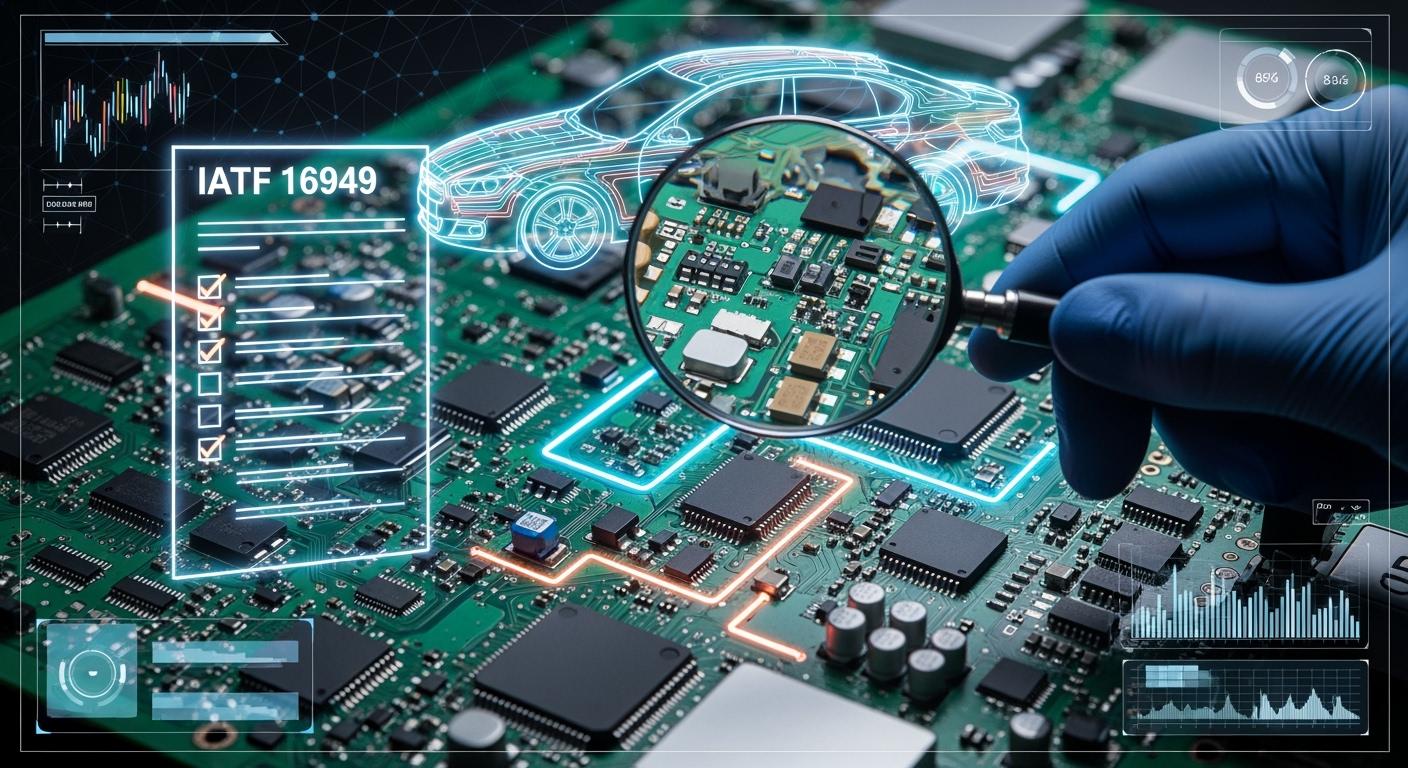
You know that quality is very important in Automotive PCBA. IATF 16949 compliance helps you make a strong management system. But you must check every step to make sure products work well. You need to watch each stage carefully and follow strict rules.
People all over the world know IATF 16949. This gives you a clear advantage in the automotive industry.
Key Takeaways
IATF 16949 compliance is very important for good automotive PCBA. It helps stop problems and makes management better.
Use strong process controls and risk management to stop mistakes. This helps your products stay safe and work well.
Traceability is very important. Track each board from materials to tests. This helps you find and fix problems fast.
Test and check boards often. Use machines to find problems early and keep quality high.
Get your team to always try to improve. Teach them to find problems and share ideas to make quality better.
IATF 16949 and Automotive PCBA
Standard Overview
You should know why IATF 16949 is important. This standard helps make sure car parts are good quality. It uses ISO 9001 and adds extra rules for cars and electronics. IATF 16949 wants you to keep getting better and stop problems before they happen.
Here is a table that explains the main parts of IATF 16949:
Key Component | Description |
|---|---|
Automotive-specific standard | Makes sure quality is managed in car making |
Combination with ISO 9001 | Uses ISO 9001 and adds special rules for cars |
Emphasis on continuous improvement | Wants you to keep improving and avoid mistakes |
IATF 16949 is different from other standards. It is made just for cars. You need to use special tools and follow safety rules. You must think about risks and check your suppliers.
Tip: IATF 16949 uses the 5 Automotive Core Tools. These tools help you control your work and stop errors.
Relevance to Automotive PCBA
If you work with Automotive PCBA, you must meet tough rules. IATF 16949 helps you build strong quality systems. It gives you steps to keep your work steady and lower mistakes. You must check every batch, shift, and worker. This tracking keeps you safe from expensive recalls.
Big car companies want suppliers with IATF 16949 certification. You must keep records and show you can get better. Tier 1 suppliers also want their partners to follow these rules.
IATF 16949 makes you use new tech to find problems early.
You must use smart inspection tools to keep quality high.
Smart manufacturing helps you follow strict safety rules.
IATF 16949 is more than just a certificate. It lets you join the global car supply chain. You earn trust from customers and show you can make reliable Automotive PCBA.
Quality Requirements and Challenges
Automotive Environment Demands
Building Automotive PCBA is not easy. Cars go through deserts, cold places, and wet roads. Boards must survive all these changes. They need to work when cars shake or get wet. You have to pick strong materials and test your boards for each problem.
Here is a table that shows what boards face:
Environmental Condition | Testing/Requirement |
|---|---|
Temperature and Humidity | Test boards in different weather and places. |
Mechanical Vibration and Shock | Make sure boards can handle bumps and shaking. |
Electromagnetic Interference | Protect boards from outside signals causing issues. |
Water and Dust Resistance | Boards must work in wet or dusty spots, like engines. |
Boards need materials that can handle heat and cold. Polyimide is good for high heat. Ceramic boards help with power electronics. Metal-core PCBs move heat away from parts. This keeps them safe. Good thermal management stops boards from getting too hot.
Tip: Always test boards for shaking, bumps, and big temperature changes. This helps you find weak spots before they break.
Common PCBA Quality Issues
You must look out for common problems in Automotive PCBA. Boards can break from heat, shaking, or wet air. If you cannot track boards, it is hard to find problems. Slow tests can make your product late. Bad supply chain control can cause mistakes and cost more money.
Here are some important quality needs for boards:
Thermal management keeps parts from getting too hot.
Careful part placement stops signal issues.
Vibration resistance uses flexible parts or coatings.
Impedance matching helps fast signals.
Automated optical inspection finds defects early.
Conformal coating protects from water and dust.
You should use in-circuit and burn-in testing. These tests show if boards work in real car conditions. When you do these steps, you lower recall and warranty risks. You save money and earn trust from customers.
Achieving IATF 16949 Compliance
Process Controls in PCBA
You need strong process controls to meet IATF 16949 requirements. These controls help you prevent mistakes and keep your products safe. In Automotive PCBA, you must focus on every step to avoid defects and keep quality high.
Here are some key process controls you should use:
Defect prevention: Stop problems before they reach your customer.
Supplier management: Choose, train, and check your suppliers often.
Risk management: Learn from past recalls and fix weak spots.
Product safety: Write down steps to make sure your boards are safe and reliable.
You can use tools like FMEA (Failure Mode and Effects Analysis) to find where things might go wrong. Statistical Process Control (SPC) helps you watch your process and keep it steady. You should always look for ways to improve and reduce risks.
Component | Importance in Defect Prevention |
|---|---|
Batch Number | Lets you track parts if you find a defect. |
Production Date | Helps you see when problems happen and find bad batches. |
Board Origin | Shows where your parts come from, so you can check supplier quality. |
Equipment ID | Makes sure your machines work right and get checked often. |
Operator ID | Links workers to each job, so you can train or help them if needed. |
Shift Humidity | Watches the air in your factory, since moisture can hurt your boards. |
Tip: Use risk management to spot problems early. This keeps your Automotive PCBA safe and reliable.
Traceability and Documentation
You must track every step in your process. Traceability means you know where each board came from, who worked on it, and what tests it passed. This helps you fix problems fast and keeps you ready for audits.
Track every operation, from materials to test data.
Use a Manufacturing Execution System (MES) to log details like material lots, operators, and results.
Make sure you can trace each board backward and forward in the process.
Automotive electronics makers face strict rules because cars use more electronics for safety. Zero-defect goals and long product life mean you must trace every board. This helps you handle warranty claims and field checks.
You must keep good records. IATF 16949 asks for more documentation than older standards. Good records help you control your process, manage suppliers, and check risks. If something goes wrong, you can show what happened and fix it fast.
Standards like IATF 16949 require full traceability from raw materials to finished boards. This is not optional. You need it to show who is responsible if a problem happens.
Testing and Validation
Testing is a big part of IATF 16949 compliance. You must check your boards at every step. Use in-circuit tests, burn-in tests, and automated inspections to find problems early.
Automated Optical Inspection (AOI) checks for missing or bad parts.
X-ray inspection finds hidden defects inside the board.
Burn-in testing shows if boards can survive real car use.
You should also do Measurement System Analysis (MSA). This checks if your test tools work right. Train your team so they know how to use these tools and spot problems.
You need to keep improving. Train your workers often. Teach them to look for ways to make things better. When your team cares about quality, you get fewer defects and happier customers.
Here are some best practices for continuous improvement and training:
Train everyone on best practices and new tools.
Focus on stopping defects and cutting waste.
Build a culture where everyone looks for ways to improve.
Keep your team engaged so they help spot and fix problems.
Note: When you use strong process controls, traceability, and testing, you meet IATF 16949 rules and build trust with your customers.
Avoiding Common Pitfalls
Process Validation Gaps
Sometimes, there are gaps in process validation. These gaps can cause problems and make products fail. You should check your process often to find these gaps early.
Here is a table that lists common process validation gaps:
Gap Description | Details |
|---|---|
MSA Not Performed for New Gauges | You must do Measurement System Analysis (MSA) for all new gauges. Calibrating is not enough. |
Control Plans Not Current at Machine | You need to keep the latest control plans at each machine. Outdated plans can cause mistakes. |
CSR Requirements Not Flowed Down | You must include customer-specific requirements in your quality system. Missing these can lead to problems. |
You can stop these gaps by making clear goals with your team. Check risk management steps and train your workers well. Write down auditor skills and do audits often.
Tip: Look at your control plans and measurement systems often. This helps you find mistakes before they get big.
Supplier and Documentation Issues
You need to manage your suppliers to keep good quality. Many companies have trouble when suppliers do not follow rules or do not have the right skills. You should:
Check your suppliers and look at their certificates.
Make clear quality rules and watch how they do.
Help suppliers fix problems and learn new skills.
You also need good records. Without them, you cannot follow traceability rules or show risk management. Bad records can cause mistakes and make people lose trust.
Here are some steps you should take:
Keep all records, like material papers and process charts.
Use the Production Part Approval Process (PPAP) to check quality.
Show proof that you keep getting better in your records.
Note: Good supplier management and full records help you follow IATF 16949 rules and stay in the supply chain.
You need IATF 16949 compliance to earn trust and show quality. This certification helps you meet tough customer needs and get more jobs. You have to check your process and records all the time to stay ahead.
You show big brands that you care about safety and quality.
You make customers happy and build a good reputation.
You make smart choices and get better every year.
Remember: Certification is just the beginning. Keep learning and improving so you can stay ahead of others.
FAQ
What is IATF 16949?
IATF 16949 is a quality management standard for automotive suppliers. You use it to make sure your products meet strict car industry rules. This standard helps you prevent defects and improve your process.
Why do you need traceability in Automotive PCBA?
Traceability lets you track each board from start to finish. You can find problems fast and fix them. This helps you avoid recalls and keeps your customers safe.
How often should you audit your process?
You should audit your process at least once a year. Regular audits help you find weak spots and improve your quality system. Some companies check more often to stay ahead.
What happens if your supplier does not follow IATF 16949?
If your supplier does not follow IATF 16949, you risk getting bad parts. This can cause defects in your boards. You may lose customer trust and face costly recalls.
See Also
The Role Of X-Ray Inspection In PCBA Quality Assurance
The Importance Of AOI In Ensuring PCBA Quality
Meeting SMT Assembly Standards For Automotive Product Success
Essential Strategies To Boost PCBA Reliability Over Time
Comprehensive PCBA Services: From Manufacturing Through Testing
